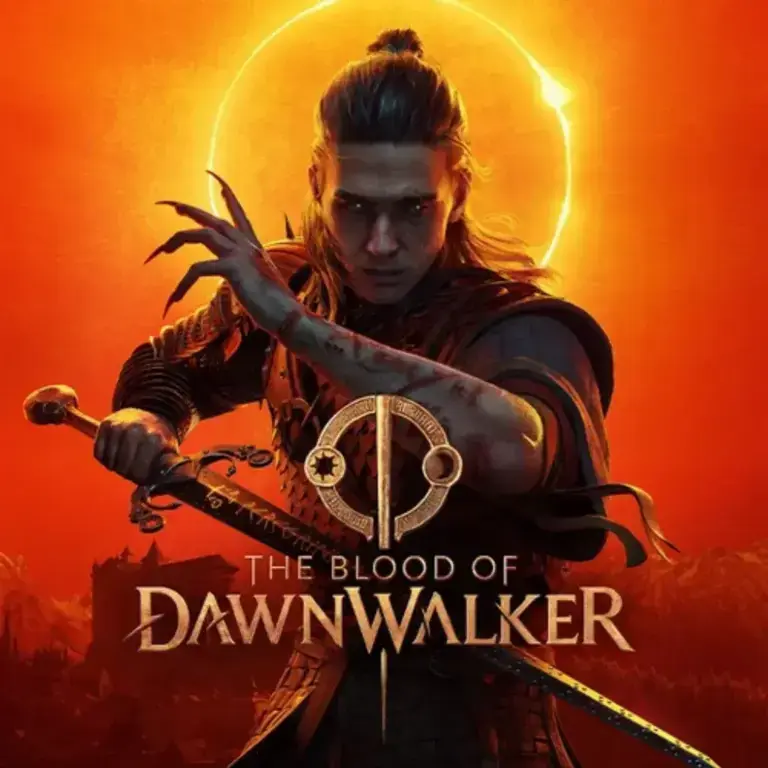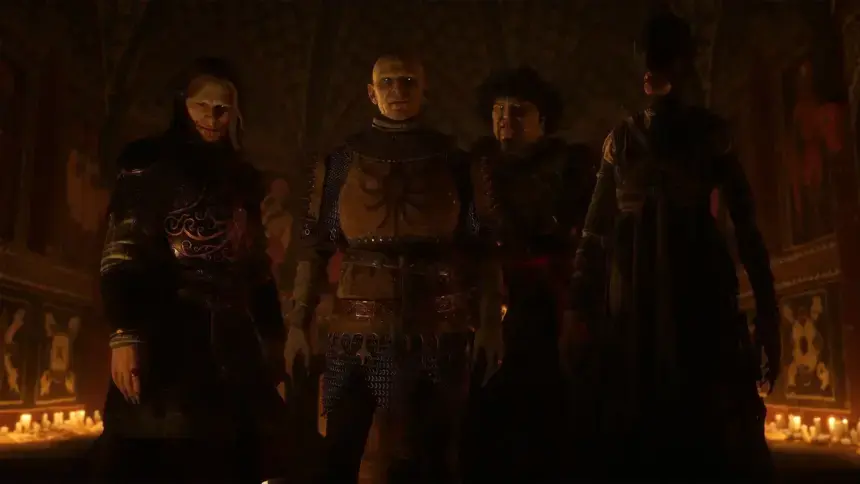
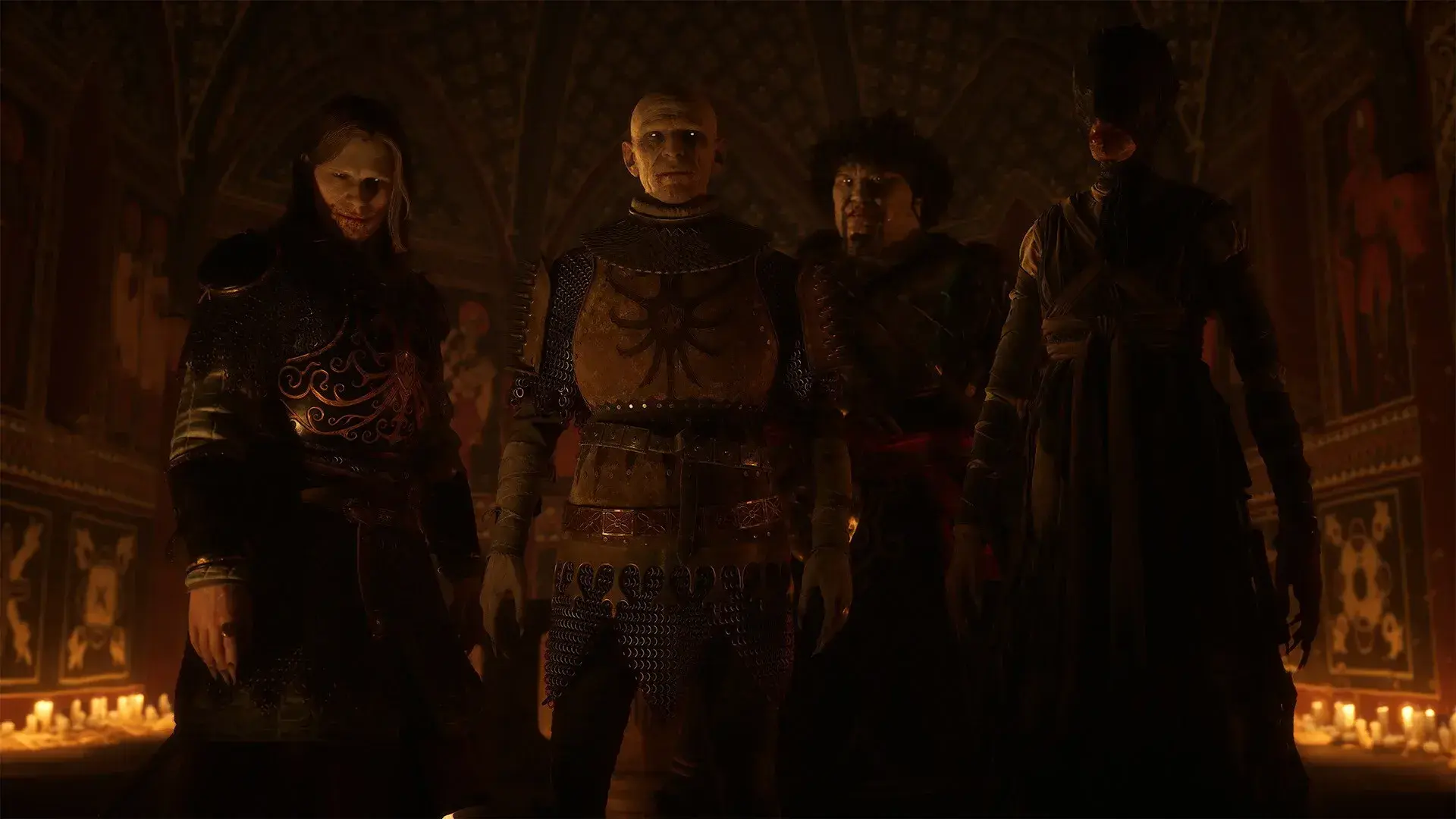
Vampire games have been promising me the fantasy of being an undead menace for years, and most of them make me feel like I’m doing a side job for Dracula. The Blood of Dawnwalker is the first one in a long time that actually understands why being a vampire is interesting.
Rebel Wolves’ debut RPG is unmistakably descended from The Witcher 3. You can see it in the structure of its open world, the emphasis on densely written side stories, the grim medieval setting and, frankly, in the general smell of wet misery that hangs over every village. That comparison is unavoidable, especially given the pedigree behind the studio, but it’s also not the insult it might sound like. Dawnwalker borrows familiar RPG machinery and then puts an unusually nasty spin on it: you are not simply exploring a fantasy world at your leisure. You are trying to save your family, become stronger, survive a valley under vampire control, and somehow fit all of that into a brutally limited amount of time.
That last part is the game’s secret weapon.
You play Coen, a young swordsman whose life goes wrong when vampires seize control of Vale Sangora and his family is caught in the middle of it. Coen is turned into a vampire, but supernatural rules do him the strange courtesy of making him a Dawnwalker, giving him a human body during the day and vampiric abilities at night. By itself, that would make for a neat character gimmick. What makes it special is how deeply the game builds its whole RPG structure around the transformation.
Human Coen fights with weapons, uses witchcraft, eats food, takes medicine, and plays like a conventional adventurer. Vampire Coen can feed on blood, recover health through his predatory abilities, and parkour around the map with supernatural tricks that would get most medieval peasants burned at the stake on sight. He can tear across gaps, cling to walls, and generally disregard several basic laws of physics. More importantly, the world reacts differently to him based on which version of Coen you’re playing. And then Rebel Wolves drops a clock on top of all of it.
Not sure which weapon style suits Coen?
Swords and claws offer very different ways to approach combat, and your preferred build can have a big impact on how you play. Find out if you should use claws or swords in The Blood of Dawnwalker.
- The Best Mechanic is Also the One That Makes You Miserable
- The Day and Night Split Matters
- Coen's Bloodlust is Brilliant, Which Makes Its Restraint Even More Frustrating
- Combat is a Slow Burn, Not an Instant Classic
- Progression is Smart, Even When the Skill Trees Aren't
- The Writing is Where Dawnwalker Really Throws Its Weight Around
- Vale Sangora Has the Right Kind of RPG Dirt Under Its Fingernails
- The Technical Cracks are Hard to Ignore, But Easy to Forgive
- Verdict
The Best Mechanic is Also the One That Makes You Miserable
After the intro, Coen gets 30 in-game days to prepare for a confrontation with Brencis, the vampire who’s holding his family hostage and has tightened his grip over the valley. It’s not a standard ticking clock where time drains away while you wander around; instead, it’s all about resource management. You have to be smart about how you spend your time because quests, training, travel, and other major activities will eat into your limited schedule.
Normally, these games encourage hoarding. You collect quests like trading cards, clear every icon on the map, rescue every missing goat within a five-mile radius, and return to the main story carrying enough experience points to qualify as a minor deity. Dawnwalker ditches that whole loop and makes you pick and choose your battles because you honestly can’t do it all.
While the idea sounds obvious, very few open-world RPGs are willing to make you deal with the consequences of your choices. Here, helping someone isn’t just a side quest but a trade-off that costs you precious, limited time. Training a new skill means losing time you could have spent pursuing a major objective. Investigating one thread might mean another has progressed without you, and even some quests can become unavailable or end differently because you decided to go somewhere else.
It keeps you on edge in the best way possible. I wasn’t panicking about the deadline, but it was always in the back of my mind. Every choice felt like it had a price tag attached, making me really weigh what was worth my limited time. That makes even mundane side content more interesting, because the question isn’t merely is this quest worth doing? It’s is this quest worth what it costs me to do it? That is a fantastic RPG question.
This system drives Coen’s character arc home. The more the game forces you to compromise, the easier it becomes to see his humanity being worn down by sheer necessity. A “good” choice that would be a no-brainer in other role-playing titles becomes a luxury you just can’t afford here. There were moments when I deliberately walked away from people I definitely would’ve helped in any other game, all because I knew the time cost was just too steep.
The Day and Night Split Matters
The human/vampire gimmick would have been pointless if it existed only to give Coen two different combat move sets, and fortunately Rebel Wolves understands that.
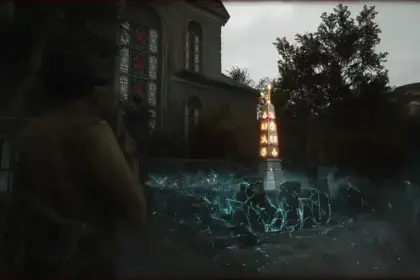
The day night system changes how you get around in the game’s world. Some locations are easier to walk as a human because guards treat Coen like another ordinary traveller. At night, he can tap into his vampire side to scale walls and reach spots that are completely off-limits during the day—but watch out, because you’ll definitely stand out if someone spots you. Since some quests only appear at specific times, you’ll find yourself regularly checking the clock. The vampire form is particularly fun outside combat. Coen’s mobility opens up parts of the environment that are inaccessible during the day, letting you climb and traverse spaces that would normally require a ladder, a grappling hook, or more patience.
The idea is excellent, though I think the game could have gone further with it. Even though some quests lean into the transformation, there are also a lot where the difference amounts to little more than a different entrance or a restriction. Given that the Dawnwalker identity is the game’s bread and butter, I craved more objectives that demanded a strategic, time-sensitive approach to navigation and problem-solving. That said, when the mechanic hits its stride, it gives a unique rhythm that’s way better than average open-world RPGs.
Need to get around the valley faster?
Vale Sangora is worth exploring, but you won’t always want to trek across the whole map on foot. This guide explains how to fast travel in The Blood of Dawnwalker.
Coen’s Bloodlust is Brilliant, Which Makes Its Restraint Even More Frustrating
The Blood of Dawnwalker has one special mechanic, and then it gets too cowardly to hit you over the head with it. Coen is a vampire, right? So he gets hungry. Let that bloodlust hit critical mass, and it starts hijacking your dialogue choices, tempting you to bite right in the middle of a chat. In extreme situations, Coen can lose control entirely and kill someone he was supposed to protect, talk to, or recruit. That possibility is excellent because it takes the fantasy of vampirism beyond powers and cool animations.
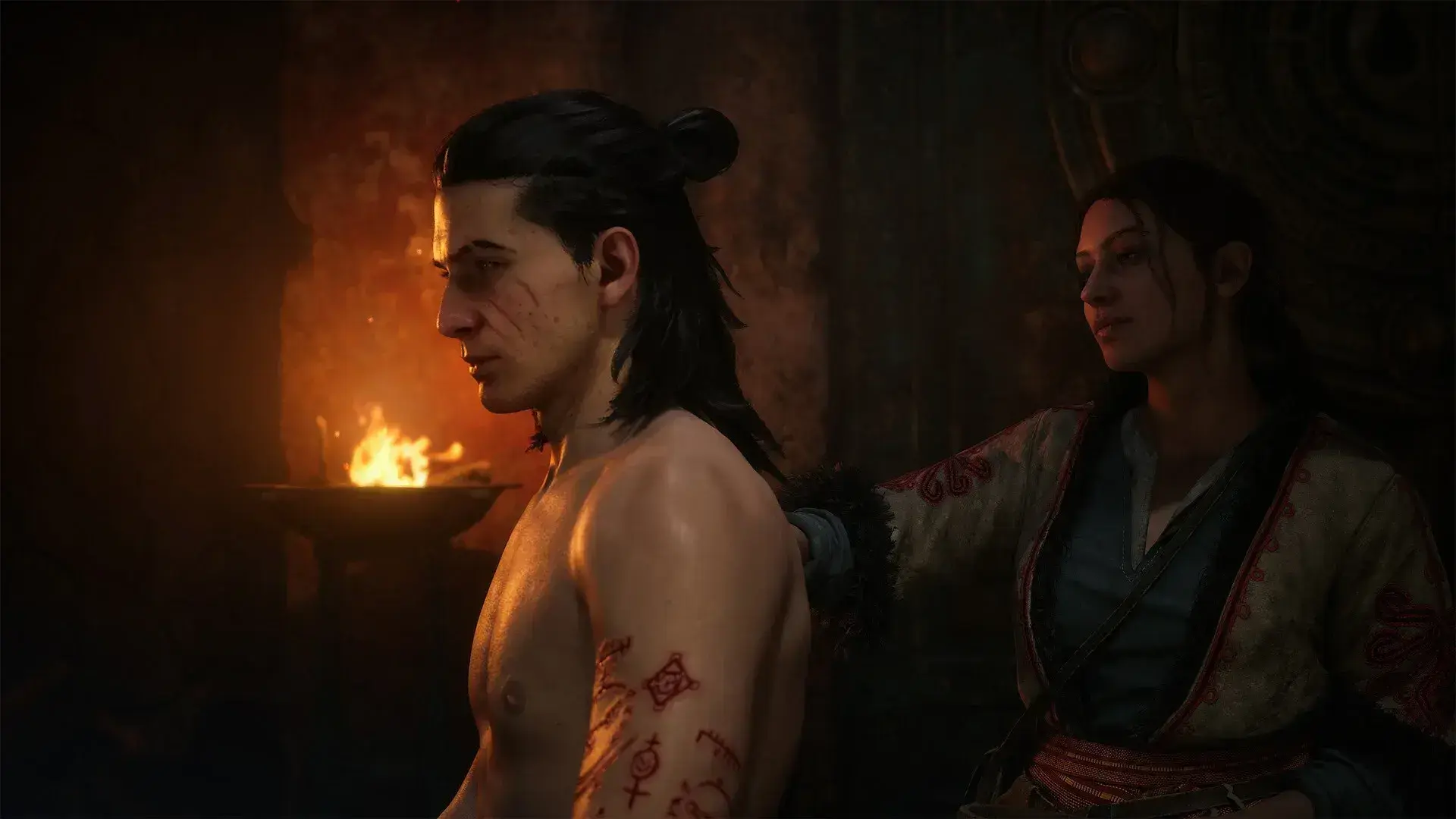
Being a vampire becomes a social problem. You limp into a high-stakes meeting starving, low on health, and the game is practically whispering, “You’re about to turn this guy into lunch.” It’s the exact kind of unhinged, chaotic tension that makes for legendary 3 AM Discord stories you will be telling friends months later.
The problem is that Dawnwalker is often a little too kind to you. There are enough ways to maintain your health and feed safely that the hunger mechanic can be managed into near irrelevance once you know what you’re doing. I rarely felt trapped by my own bloodlust during the review process, and that is a shame because the idea is considerably more interesting than the amount of pressure the game ultimately puts behind it. Let us drown in the thirst, you cowards.
Combat is a Slow Burn, Not an Instant Classic
Combat in The Blood of Dawnwalker slaps, sometimes ridiculously hard, but it’s also the same system that’ll have you screaming at your monitor for the first four hours, wondering what on earth Rebel Wolves was cooking.
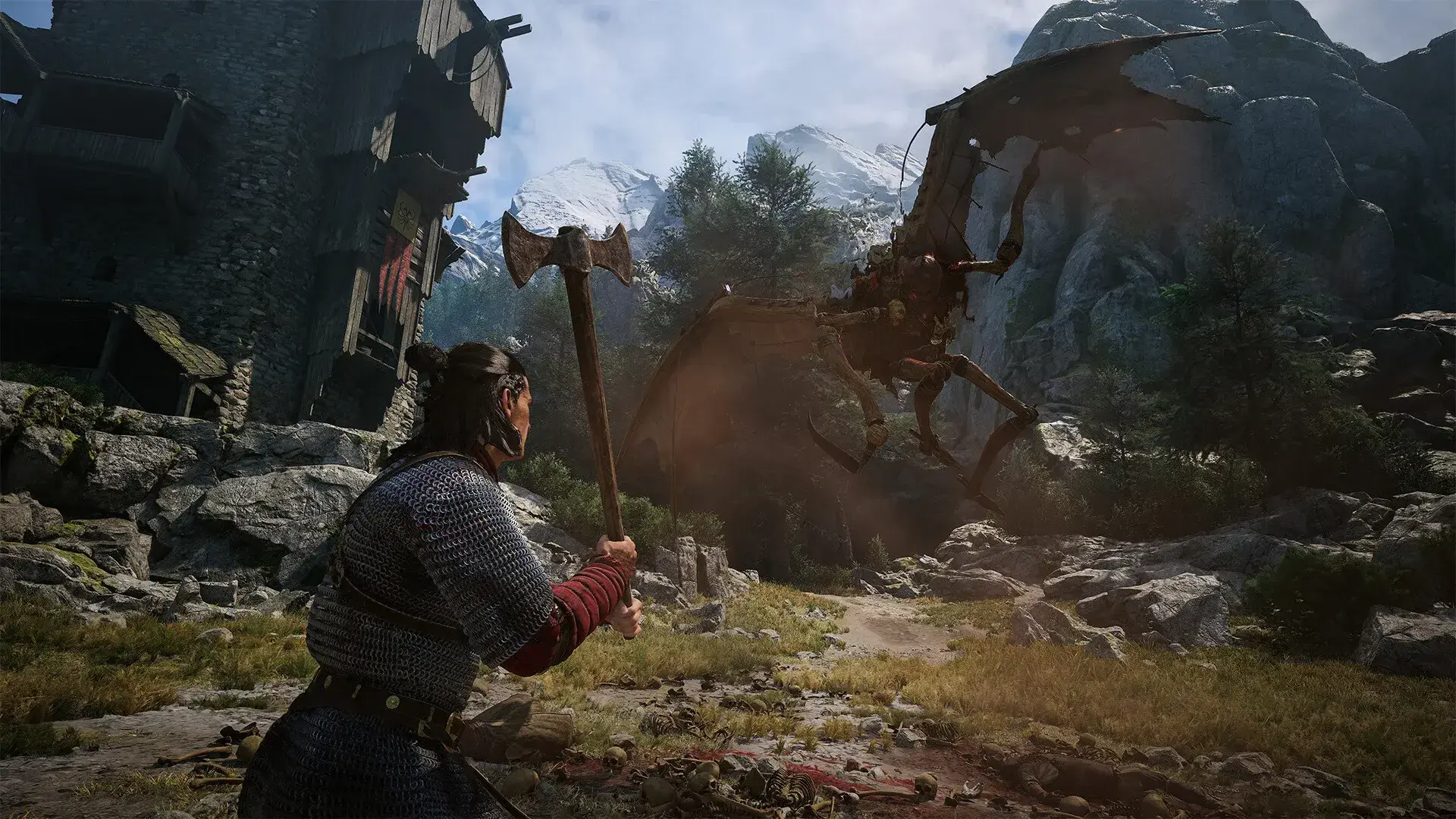
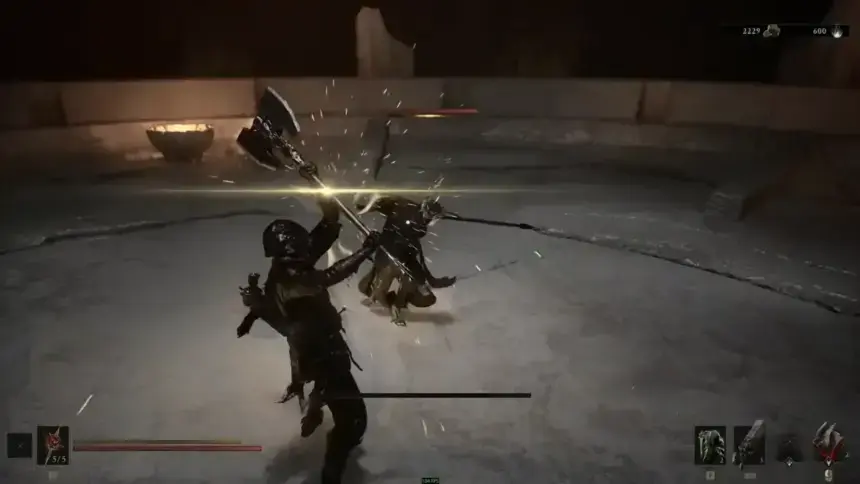
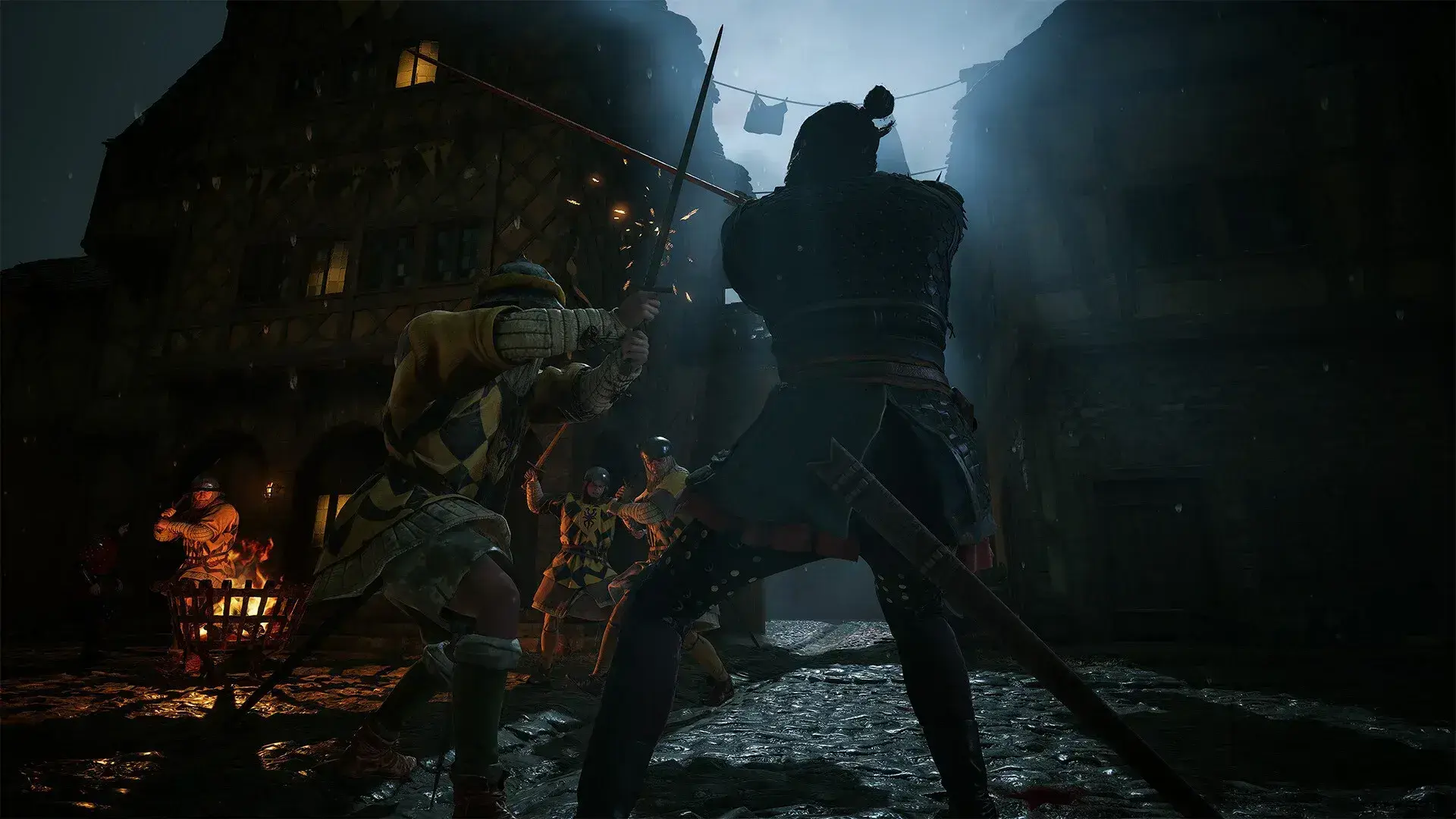
The central idea is directional defense, where you have to watch the angles and nail your parries instead of mindlessly hacking and slashing. It’s definitely a deliberate, rhythm-based system that demands good timing. It can be a bit of a rough ride at first—you’ll probably get stomped by basic enemies for a few hours and might want to throw the controller, but once it clicks, it’s awesome. Rather than the gamey HUD clues, once you read the enemy animations, you’ll be parrying one guy while keeping an eye on the next, and Coen will play like the dangerous predator he’s supposed to be.
The defensive mechanics are the strongest part of the system.
The offense, though? It never quite matches that high. Directional strikes are half-baked, and most special moves simply devolve into hit-on-cooldown buttons rather than tactical strikes you reserve for a specific tactical moment. Worse yet, humans and vampires fight more similarly than they should.
Sure, vampire Coen has the claws, twitchy supernatural mobility, and bloody skills, while human Coen relies on swordplay and witchcraft. But at their core, they still follow the same loop of attack, parry, wait for the window, repeat. It’s a meaningful difference, but it doesn’t shake up the core game feel anywhere near enough. By hour thirty, that sameness starts to bite.
Weak enemy variety doesn’t help cover the tracks, either. A few boss fights and elite brawlers stand out, but your run-of-the-mill mob lineup gets recycled so often that encounters can be like clocking into an eight-hour shift. Then there’s the usual jank: a lock-on system that loves picking the wrong guy, a camera that can get trapped in unpleasant places, and crowded battles that sometimes produce moments where the game’s systems appear to be improvising along with you.
Want more powerful combat abilities?
Activation charges can turn a tough fight around, especially once you start chaining special attacks. Here’s a useful guide on how to get more activation charges in The Blood of Dawnwalker.
Progression is Smart, Even When the Skill Trees Aren’t
The RPG progression is more interesting than its individual perks. Coen has three main development lanes—swordplay, witchcraft, and vampirism—and getting access to strong abilities isn’t just a matter of grinding XP and buying whatever catches your eye. Some abilities are gated behind specific books or other conditions, and perks cost more than points. They cost time.
And yeh, the clock matters. A lot. That’s what makes progression a different thing. Every upgrade is a trade. You can level up your character, but you’re burning something you can never earn back: the hours ticking toward the final encounter. I f…cking loved that idea. I frequently had perk points remain unused because I couldn’t convince myself an upgrade was worth losing those hours. In a conventional RPG, that would be ridiculous. Here, it makes perfect sense.
The problem is that some of the skill trees are a little all over the place. There are plenty of upgrades, but their impact is wildly uneven. Some abilities become permanent fixtures in your build while others just collect dust because experimenting with them doesn’t justify the time or cost. The limited ability slots make it even tougher. You’re encouraged to specialize, but sometimes your “build” is not something you deliberately engineered but the result of whatever books you happened to find and whichever quests you decided to chase. It’s an ambitious progression system, and I admire the thinking behind it more than the individual result.
The Writing is Where Dawnwalker Really Throws Its Weight Around
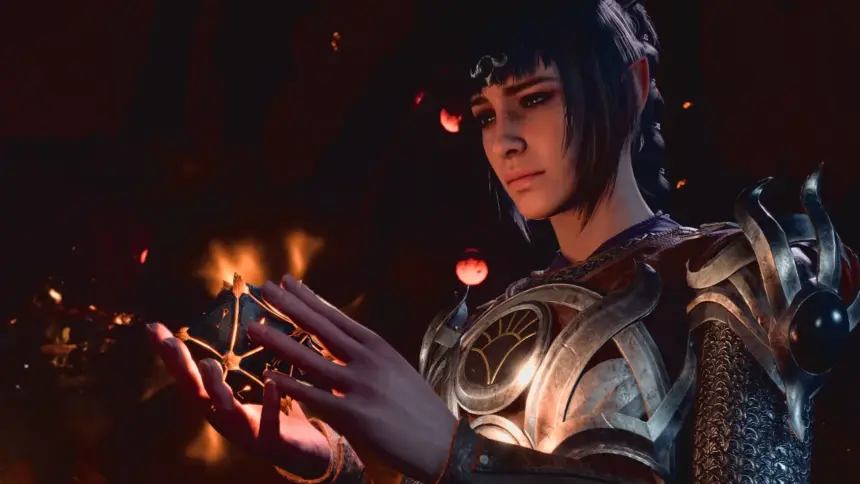
The side stories are what truly defined my experience with the game long after the credits rolled. Although the main plot is solid, it is the peripheral cast—characters like Anca, Lacra, and Crake—that give the game’s special personality. Their stories have competing motives, ugly compromises, and enough personality to make you curious about what happens when you leave them alone.
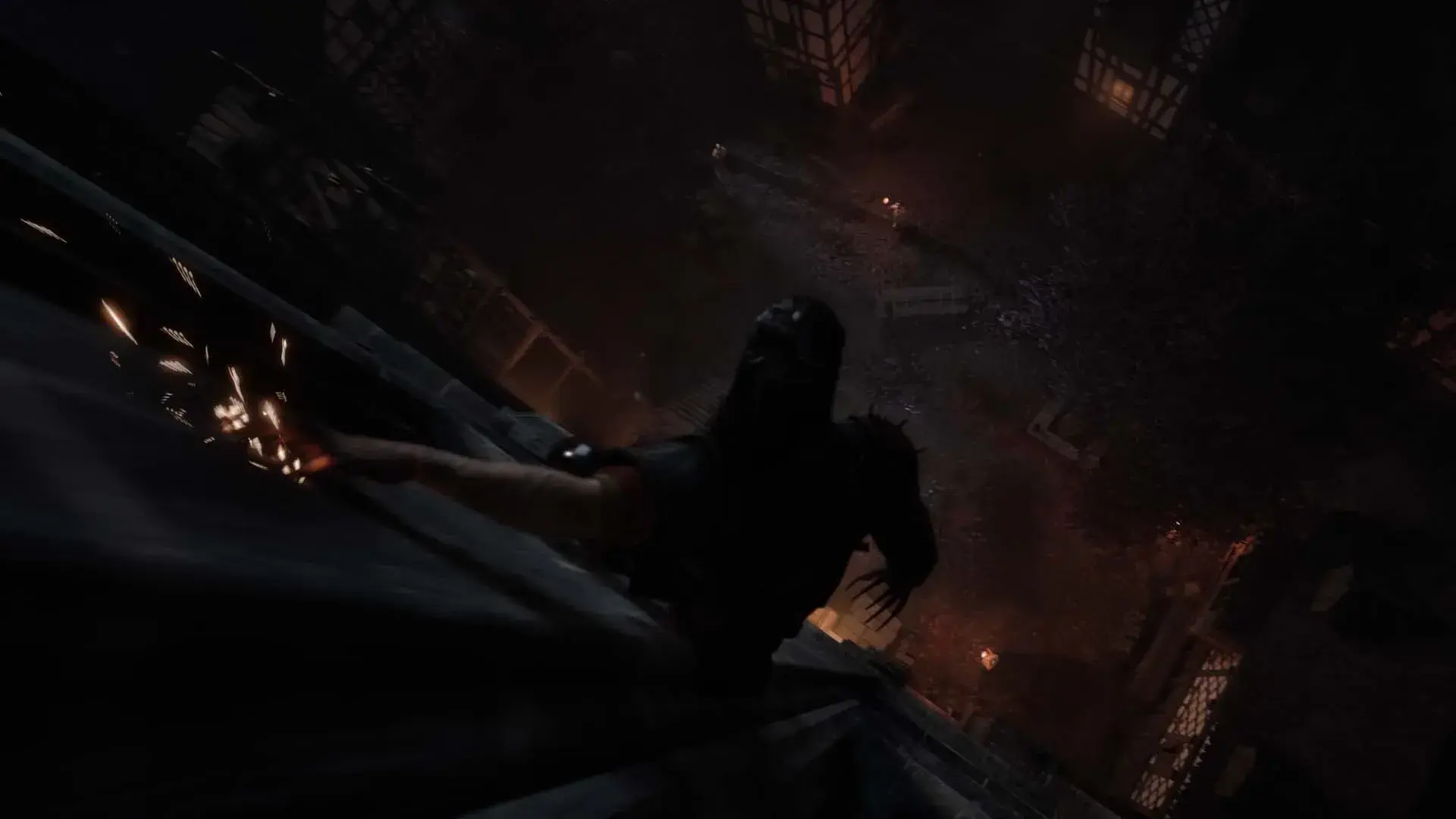
That curiosity is vital in a game built around a finite schedule. Because you know you cannot see everything, the moments you do encounter carry more weight. You might wonder what another route might have revealed, which character you failed to meet, and how the narrative would have shifted had you invested those three hours somewhere else.
The family story also benefits from being managed with more restraint than I expected. Instead of falling into the tired trope of debating whether vampires are inherently good or evil, the game focuses on how Coen’s transformation pulls him further away from the very people he is fighting to save. As Coen gets stronger, he might become someone his family won’t even recognize anymore.
There is plenty of bleakness here, but Dawnwalker is not afraid of humor either. There is flirtation, petty cruelty, awkward conversations, and the occasional bit of absurdity hiding underneath all the blood and suffering—the lighter moments that stop the setting from collapsing under the sheer weight of its own misery. And make no mistake, this world is miserable. That’s part of why it works.
Vale Sangora Has the Right Kind of RPG Dirt Under Its Fingernails
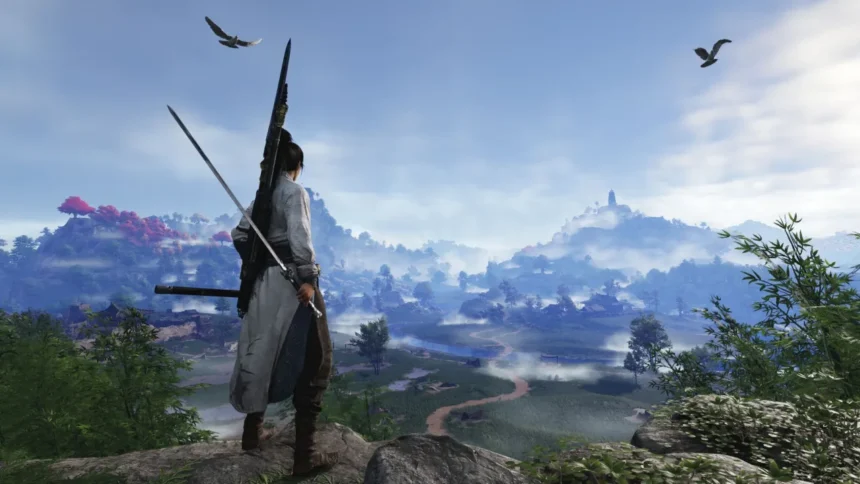
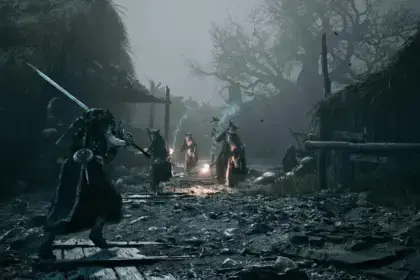
The world is gorgeous in a deliberately ugly way. There are ruined settlements, damp forests, muddy roads, decaying structures, and mountains looming beyond the valley. It has a heavy gothic atmosphere without becoming visually monotonous, and the environmental design consistently reinforces the feeling that ordinary people are living under a system they have very little power to escape.
The best areas don’t just look good; they tell you something.
A blood collection camp, for instance, is the supply line keeping the vampire regime alive, not another combat arena. A frightened family, a deserter, a rebel cell, or a village caught between cooperation and resistance can turn what would normally be generic open-world scenery into something with deep context. That is what separates Dawnwalker from a lot of open worlds.
The Technical Cracks are Hard to Ignore, But Easy to Forgive
Rebel Wolves has clearly bitten off a lot with this game, and occasionally the technical side reminds you that this is the studio’s first major RPG. The experience is periodically marred by texture pop-in, occasional animation hitches during conversations, and clunky traversal, particularly when climbing or navigating complex surfaces. Furthermore, inconsistent enemy hit detection and a camera that occasionally abandons the action during fights highlight that the game’s technical polish hasn’t quite caught up to its ambitious design.
These problems don’t destroy the excitement, but there are enough of them that pretending the game is technically immaculate would be nonsense. For the encouraging part, they are mostly irritations not catastrophic failures. My experience didn’t descend into an endless parade of broken quests or hard crashes, and the game remained playable despite the rough edges. Still, save often. Medieval vampires are dangerous enough without letting a wall swallow you.
Verdict
The Blood of Dawnwalker isn’t the holy grail of vampire RPGs. The swordplay doesn’t magically reinvent the wheel, the enemy roster runs out of steam, and the combat styles for human vs. bloodsucker feel too cozy with each other when they should be aggressively unique. However, half the game’s best mechanics are wearing a seatbelt because the devs got scared of their own genius. But god, the ambition on this product has a soul.
That 30-day clock is the standout. It takes the typical, bloated open-world checklist, throws it into a woodchipper, and forces you to make trade-offs. You want to do a quest? Great, but you’re sacrificing something else, pal. Tick-tock. The day/night cycle gives Coen’s transformation a practical purpose instead of treating it as a cosmetic gimmick. And the writing! The side NPCs are so shockingly well-written that I genuinely stressed over spending my valuable, limited hours listening to them blabber.
I finished The Blood of Dawnwalker wanting to play it again, not because I had some arbitrary completion percentage staring at me, but because I knew there were stories I had missed. Characters I hadn’t met, decisions I hadn’t made, and consequences I hadn’t seen. That’s the sign of a damn good RPG. Rebel Wolves hasn’t delivered a flawless debut, but it has delivered something much more exciting: a game that understands that your time, build, morality, and even your character’s hunger should all be competing resources. Is it janky? Oh, absolutely. The combat drags, and the camera tries to murder you before the vampires can. But when everything works well, it creates the same kind of chaotic, unhinged, deeply personal story-slop I live for. And after years of vampire games giving me the same old cape-and-fangs routine, that is more than enough to make this one bite.
Planning for a deep dive into the game after reading our review? Our The Blood of Dawnwalker guides and walkthrough page cover quests, choices, bosses, mechanics, exploration, and everything else worth knowing.