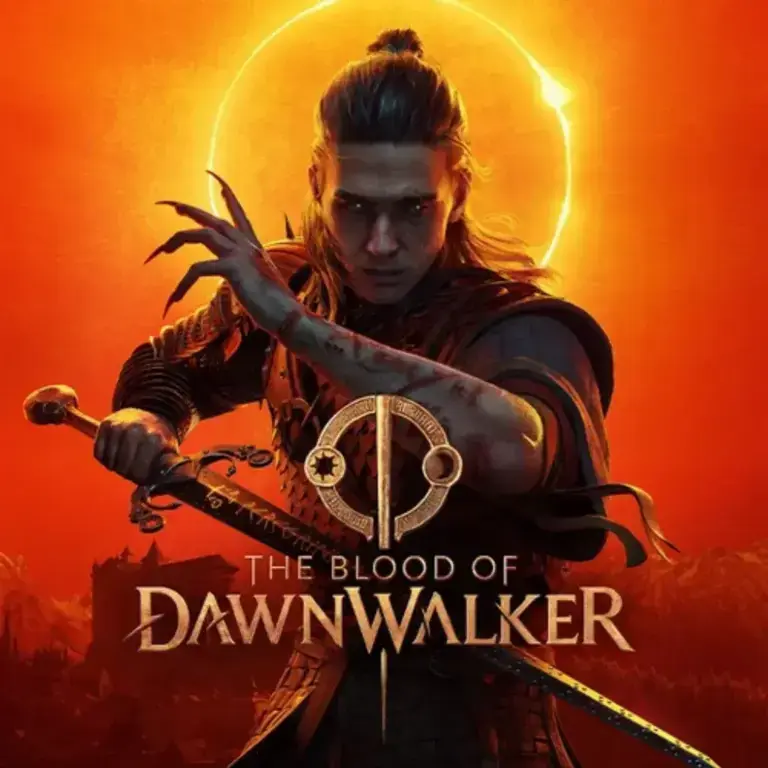
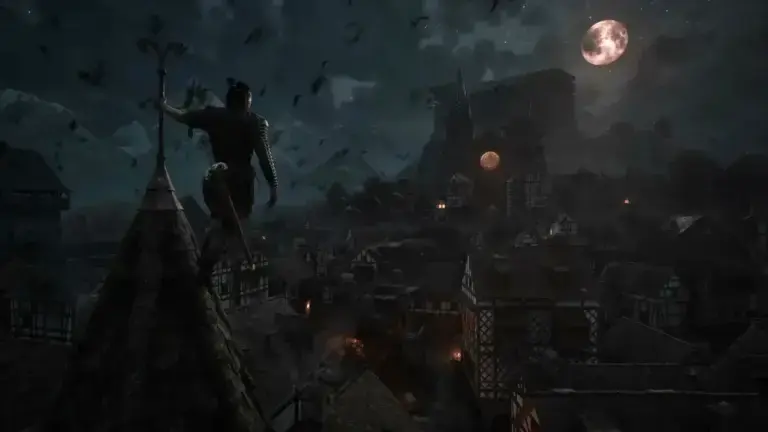
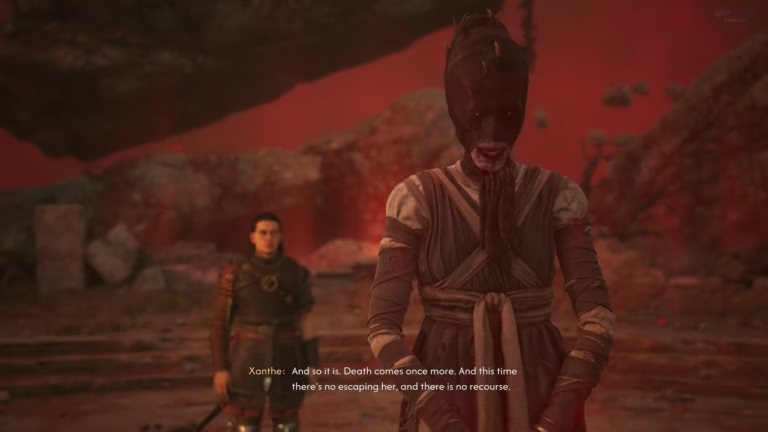
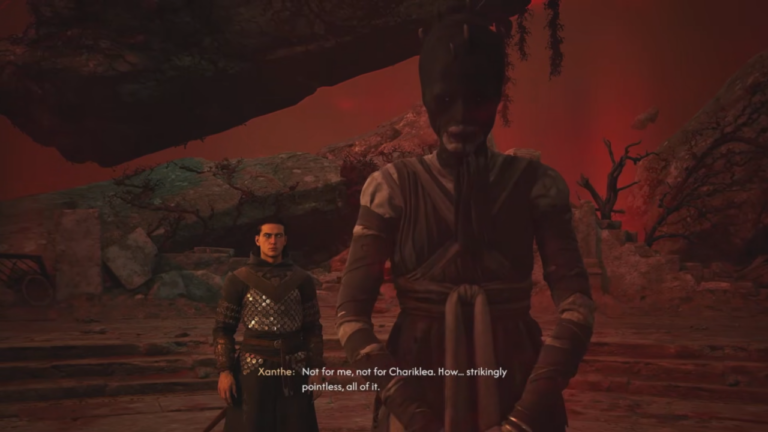
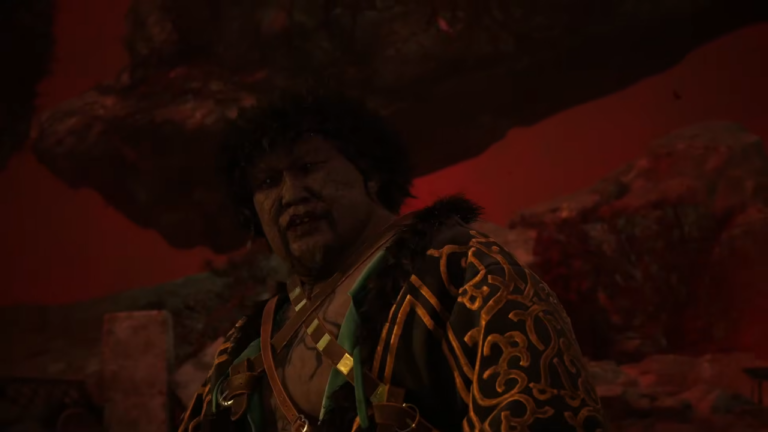
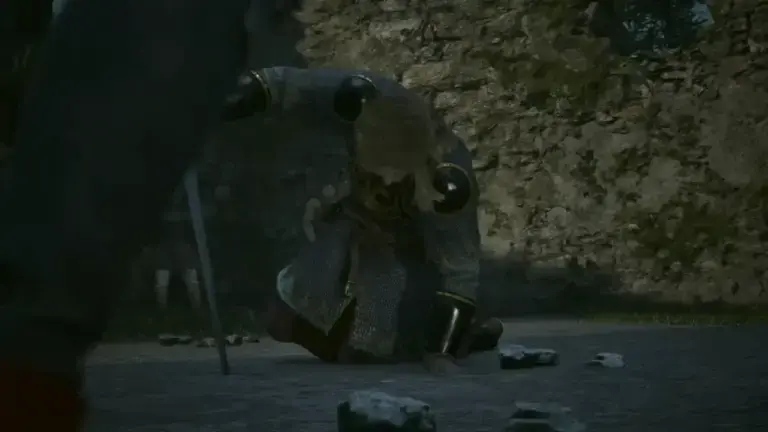
The easiest way to describe The Blood of Dawnwalker is: a dark-fantasy RPG built around the idea that you cannot do everything, and the game wants you to feel the consequences of that.
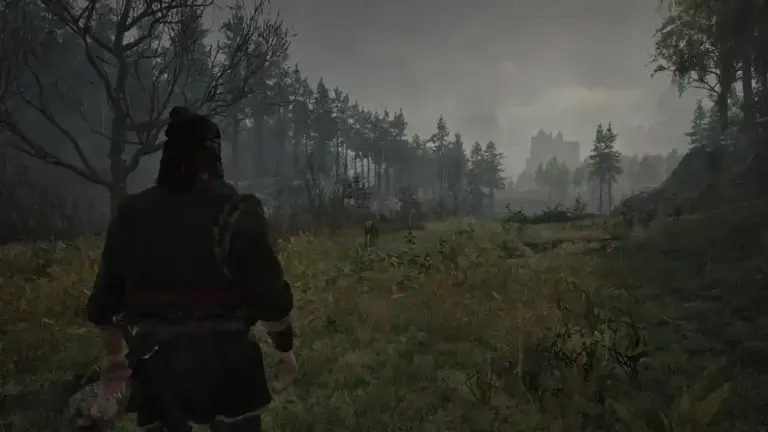
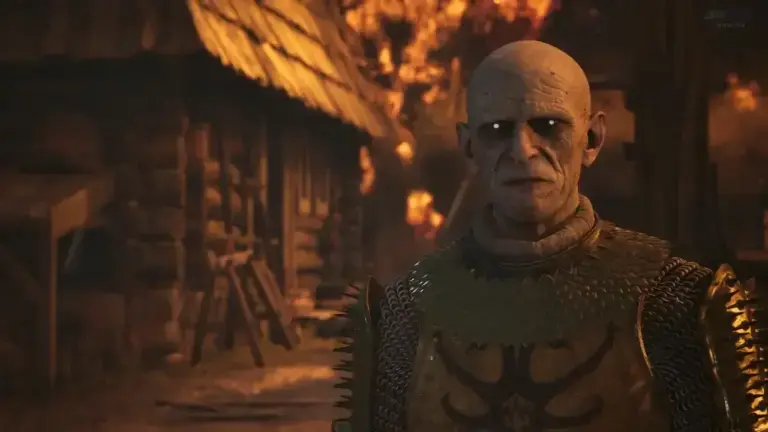
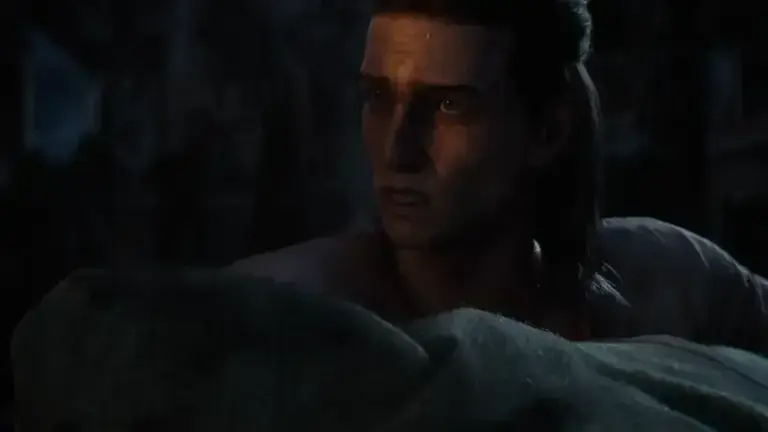
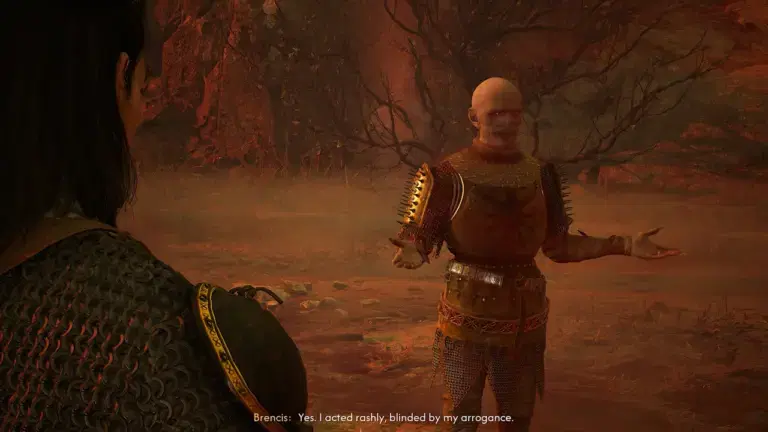
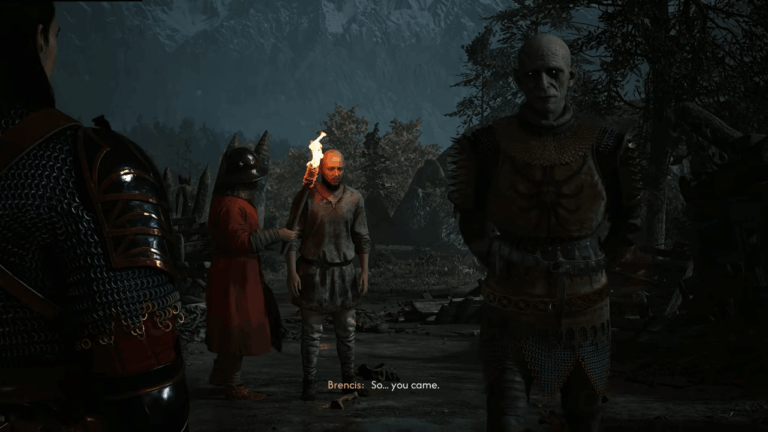
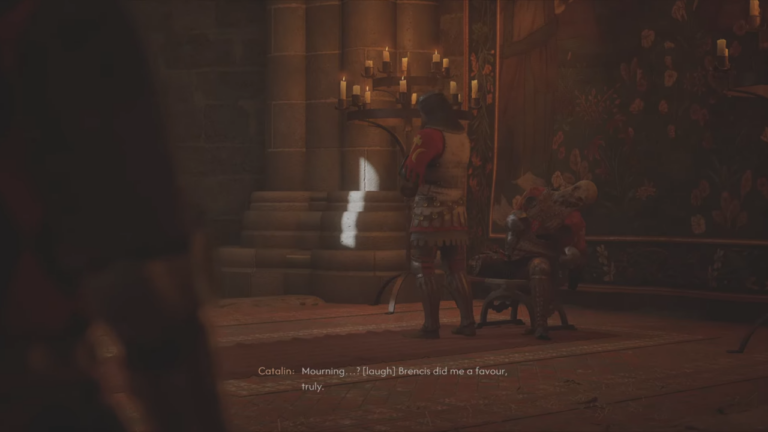
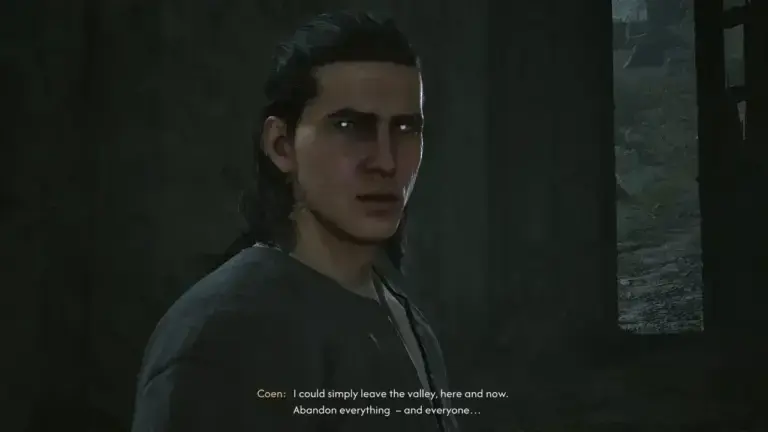
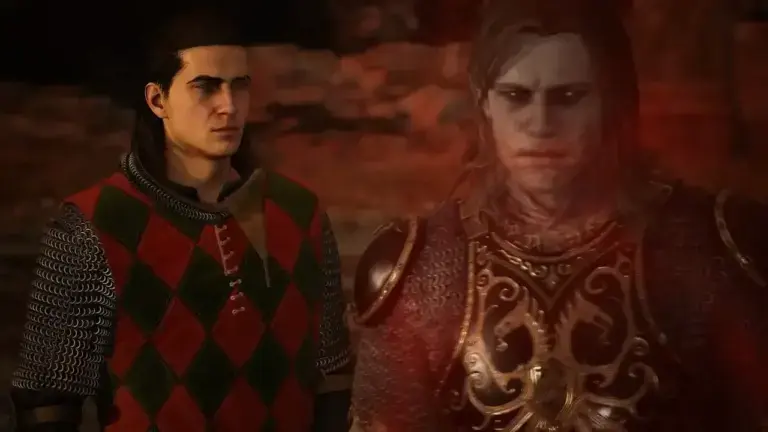
It takes place in a fictionalized 14th-century Europe, in the isolated valley of Vale Sangora, while plague and political instability have weakened the region. Vampires emerge from hiding and take control of the area, with the vampire ruler Brencis at the center of the chaos. You play Coen, a young man who is turned into something between human and vampire after his family falls under Brencis' control.
And this is where the game gets interesting.
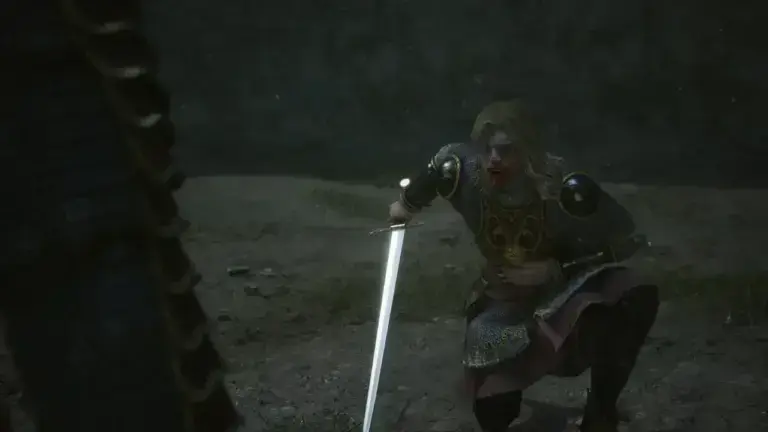
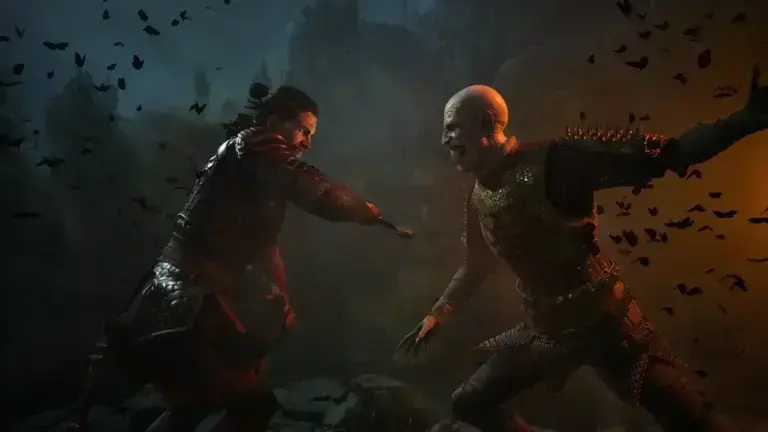
Coen isn't simply "a vampire protagonist." He is human during the day and a vampire at night, so the game's basic day/night cycle is also its central gameplay system. His human side uses swordsmanship, magic and conventional combat, while vampire Coen unlocks supernatural movement, brutal melee attacks, and other vampiric abilities.
That gives the game a very different rhythm from a conventional open-world RPG. You'll not only ask:
"Where should I go next?"
You'll frequently wonder:
"What can I realistically get done before I run out of time?"
The 30-day mechanic is the game's big idea
After the prologue, Coen gets 30 days and 30 nights to deal with the crisis surrounding his family and Brencis.
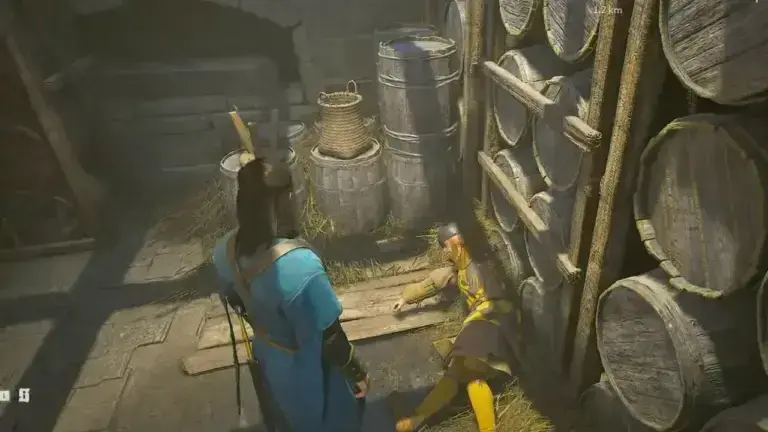
Importantly, this is not a real-time 30-day countdown. You can wander around, explore, talk to characters, and investigate the world without watching a real clock burn down. Major quests and other certain actions consume portions of your available time, and the game tells you when an activity will advance the clock.
In a normal open-world RPG, missing a side quest usually means you can come back after killing some big monster, clearing a fortress, and accidentally spending another 40 hours sightseeing. Here, time itself is part of the decision-making.
Helping one person can mean you no longer have time to help somebody else. Ignoring a problem can have consequences just as much as solving it. Some quests can be skipped, never discovered, or become unavailable because of what you did earlier. And that's why a completionist mindset doesn't fit the game particularly well.
Rebel Wolves has said that a normal playthrough only reveals around 60–70% of the game's available content. You're supposed to leave things behind. That's a pretty refreshing idea for an RPG in 2026, especially when so many open worlds are designed around the assumption that the player eventually cleans the entire map.
Combat: swordplay versus becoming the monster
Combat centers on Coen's two identities.
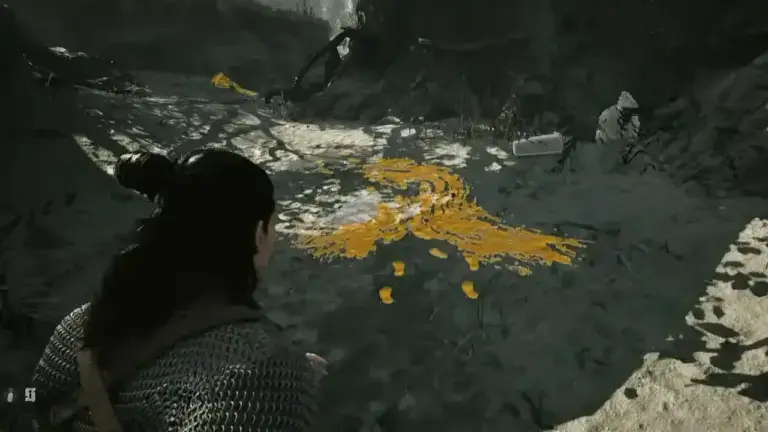
The human side is more familiar to anyone who has played a modern third-person RPG: sword fighting, timing, defensive play and supernatural techniques that work alongside conventional weapons. The vampire side is much more aggressive and physical, with supernatural movement, brutal melee attacks, and abilities that make Coen way more dangerous.
The game avoids treating vampirism like a simple power boost. Instead, it builds tension between his humanity and power. As the dark abilities prove their worth, you face choices about what kind of being Coen is turning into.
The Witcher 3 comparisons are unavoidable, but Dawnwalker isn't The Witcher 4
There is an obvious reason everybody keeps making the comparison: Rebel Wolves was founded by veterans of CD Projekt RED, and The Blood of Dawnwalker is directed by Konrad Tomaszkiewicz, director of The Witcher 3.
You can feel some of that DNA in the emphasis on:
- narrative choices
- character relationships
- quests with consequences
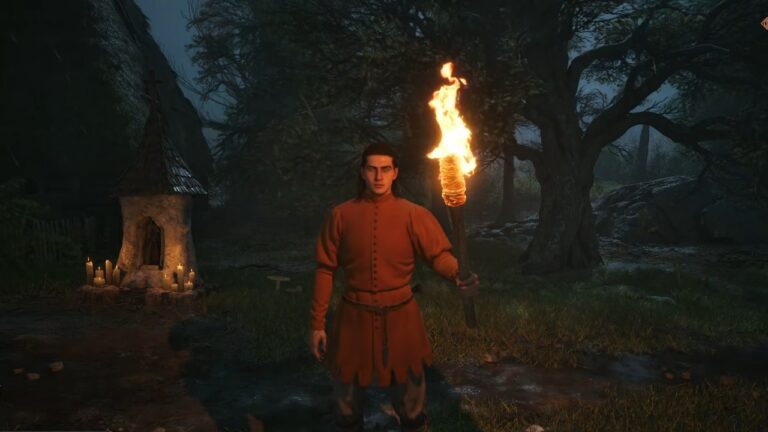
- a detailed medieval-inspired setting
- morally messy situations
- story-driven exploration
But the structure is very different. The Witcher 3 is a massive adventure where you can spend absurd amounts of time wandering around its world. Dawnwalker is more focused on pressure, trade-offs, and replayability. Its world has more of a "what are you willing to sacrifice?" philosophy. That's probably the most important difference to understand before them.
The story and characters
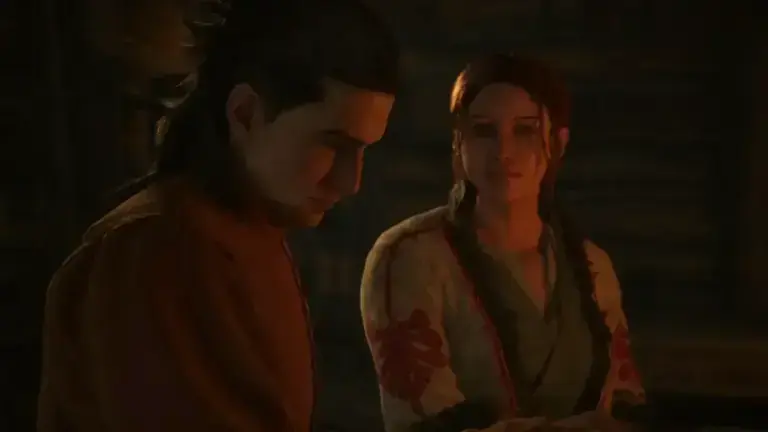
The central story is personal, not something like "save the world because you're the chosen one." Coen's family has been taken hostage by Brencis, and the vampire ruler intends to use them as part of his larger ritual. Coen therefore has a direct, personal reason to fight back.
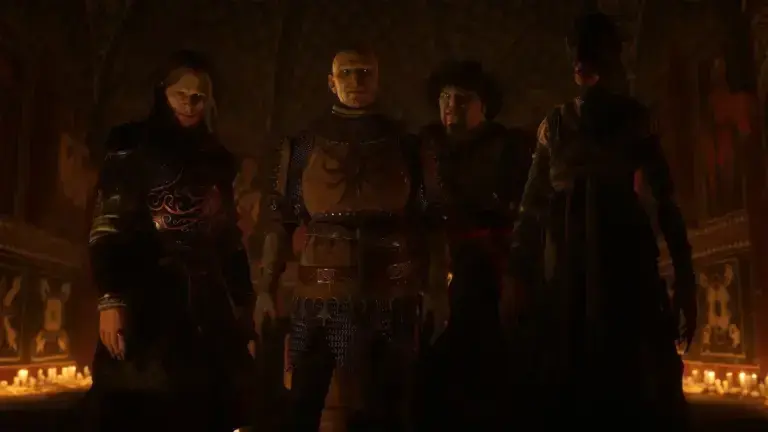
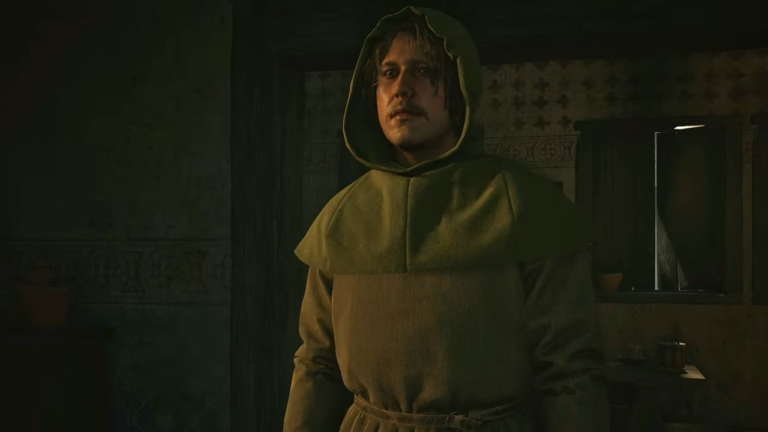
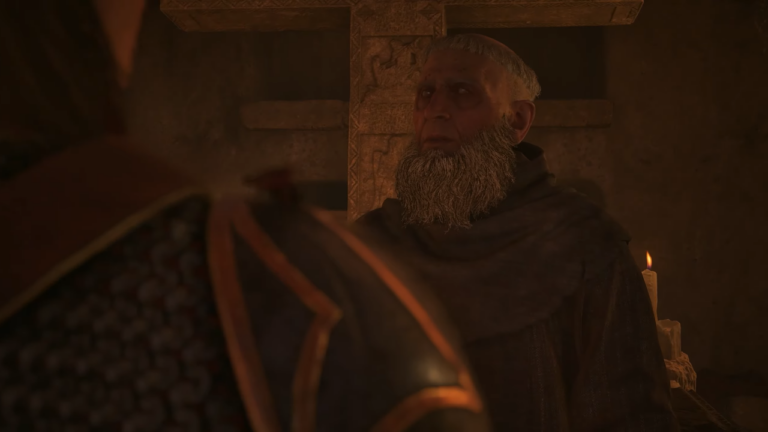
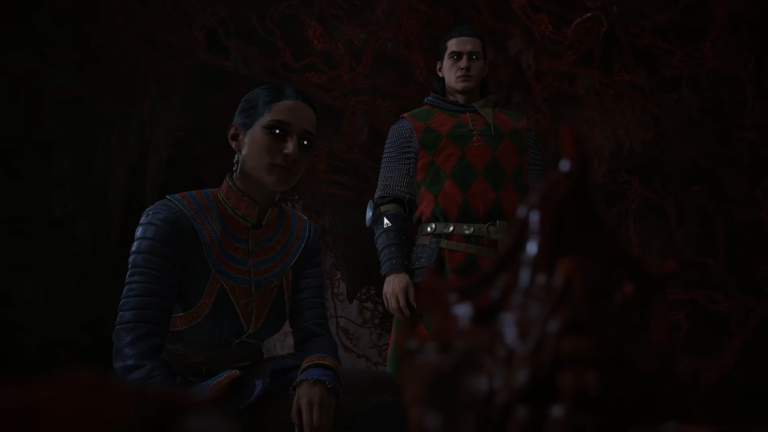
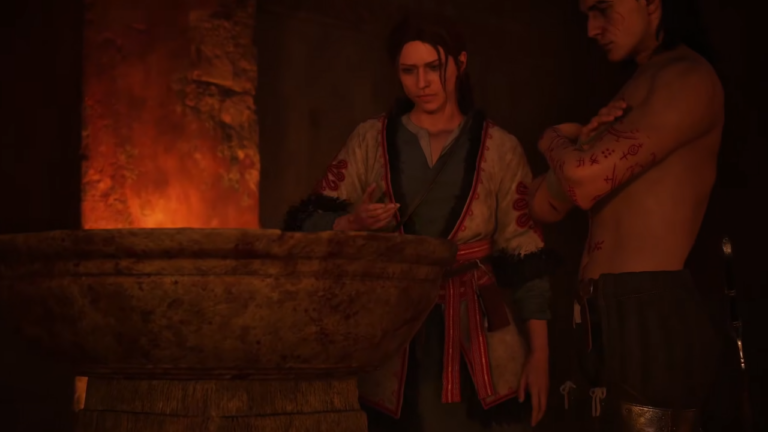
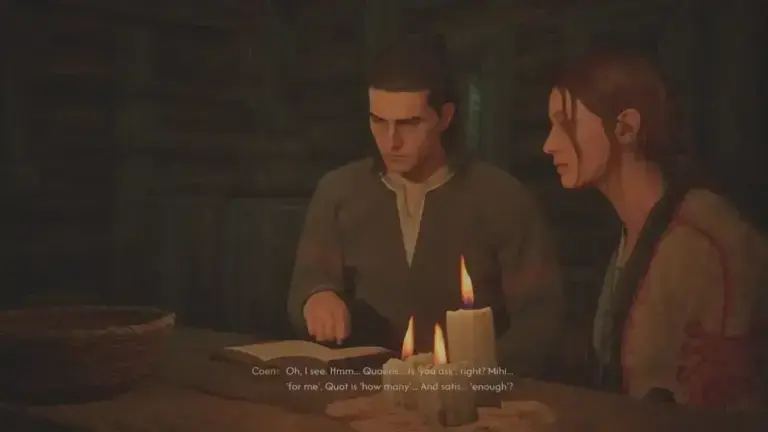
Around him are rebels, villagers, vampires, and other figures whose relationships with Coen can change depending on what you do. The developer describes the world as one where relationships can open new paths, while choices can change who survives and what future events look like.
Forget about simple "good or bad" dialogues. This game hits you with real moral gray areas where the hardest choice is not just picking a side but deciding who gets your limited time before the clock runs out.