Somewhere around hour four, I killed a bard mid-set with a stray sidearm shot, and not one patron in the tavern so much as flinched. That’s the moment I knew this game and I were going to get along fine. Mortal Shell 2 takes the compact, slightly stiff experiment that was the 2020 original and blows it up into something considerably weirder, bigger, and — against my own expectations — considerably better. It still trips over its own shoelaces here and there, mostly on the technical side and in a few fights that don’t quite earn their spot on the roster, but the bones underneath are truly excellent.
Mortal Shell 2 is a textbook example of how to do a sequel right. What happens when a developer takes a promising base Soulslike, looks at all the things it could have done better, and responds by building a much larger, stranger game without losing the soul of the original. That could have gone badly. “Make everything big” is how decent games acquire 14-hour horseback rides and a map covered in meaningless icons. Thankfully, Cold Symmetry has mostly avoided that trap. The sequel expands the world, combat, number of Shells, weapons, and the build system while keeping the peculiar identity that made the first game worth remembering.
After roughly 25 hours into Fainweald, I came away impressed. This is a Soulslike with enough personality to survive being compared to Dark Souls, Elden Ring, and everything else carrying a giant sword and a tragic backstory.
- Bigger, But Mercifully Not Just Bigger
- The Shell Gimmick is Now a Real System
- Combat Loses Stamina and Gets Confidence
- Hardening is No Longer Your Only Answer
- Weapons Have More Personality Than I Expected
- Tarstones Turn Builds Into Experiments
- Fainweald Will Eat Your Afternoon
- Enemies are Better Than the Bosses
- The Story is Easy to Follow, Which is a Dangerous Sentence to Write About a Soulslike
- The Difficulty is More Flexible Than the Genre Usually Allows
- Rough Edges Worth Mentioning
- Verdict
Bigger, But Mercifully Not Just Bigger
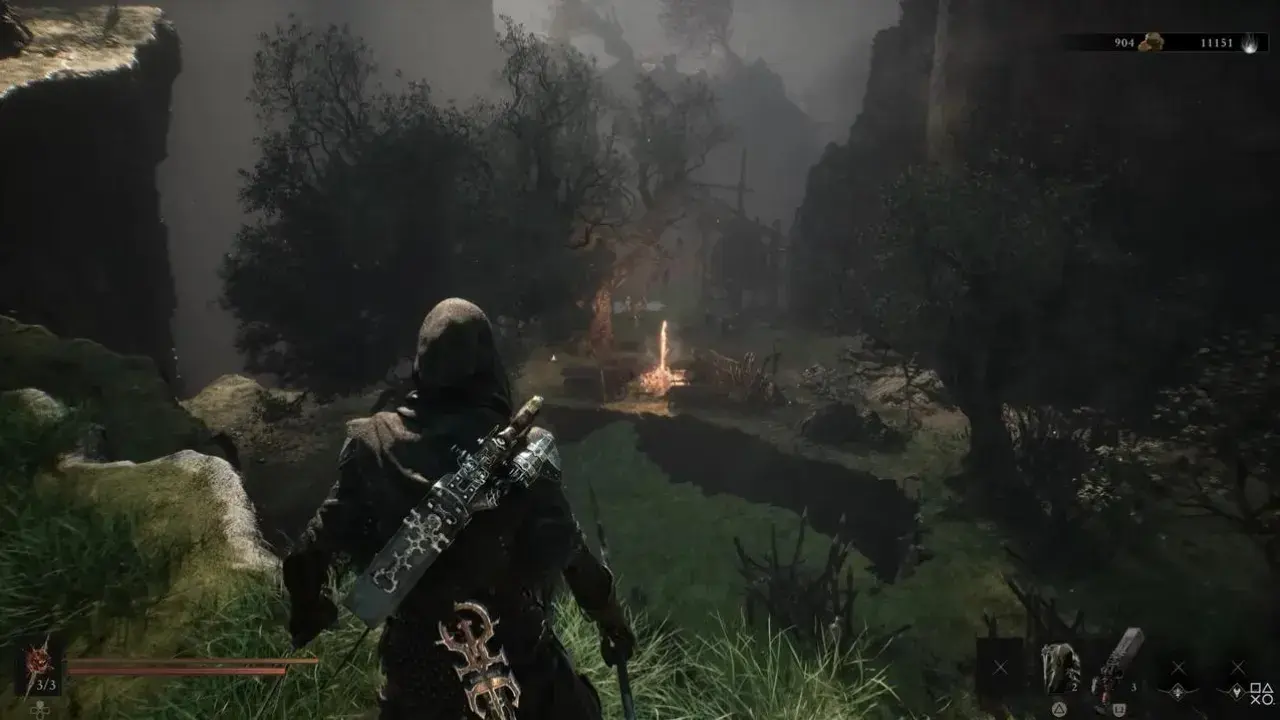
The original Mortal Shell had a real advantage: it knew its limits. Its world was compact, a handful of Shells were memorable, and its unusual mechanics had room to stand out because there weren’t hundreds of competing systems demanding attention. The sequel throws that restraint into a ravine.
Fainweald is sprawling, tangled, and loaded with paths that seem designed specifically to distract you from whatever you were supposedly doing. I would start heading toward a story objective, spot something strange on a distant hill, investigate that, find a side tunnel inside it, discover another weapon, and then wonder why the game had not simply given me a career as a professional cave explorer.
That curiosity is the point, though. The world frequently offers enough visual clues to make you want to poke around without turning exploration into a checklist. There is a proper map now, which is certainly helpful, but I still wanted better ways to mark things I had deliberately left behind. I encountered plenty of doors, objects, and suspicious-looking corners with the mental promise of “I’ll come back to that.” Narrative lived in my brain for about twelve minutes.
The Shell Gimmick is Now a Real System
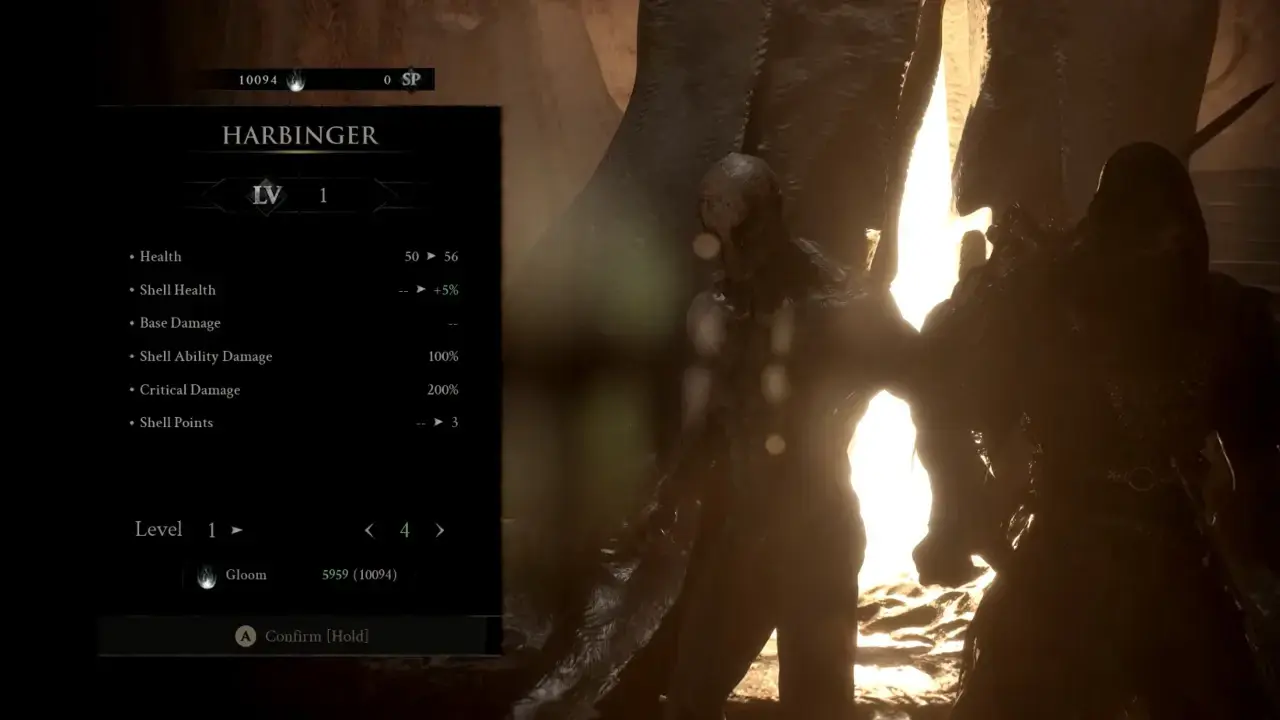
The core hook returns unchanged: you play the Harbinger, a creature who can inhabit the bodies of dead warriors called Shells. The first game had four. The sequel gives you eight, and the roster is a casting call nobody sane would greenlight — a stealthy addict working through his demons, a hulking wall of a man who treats crowds like bowling pins, a monk who can stop time itself and start slapping people while it’s frozen.
Where the first game mostly changed your health bar and buried the actual differences in passive menus, every Shell here has its own active ability that reshapes how a fight plays out. Sneak around and backstab, shoulder check a creature into next week, whatever your particular flavor of violence happens to be, there’s a body built for it.
Respeccing is free, which is a double-edged sword. Hit a boss who loves setting you on fire? Dump everything into fire resist for that fight, then take it back out five minutes later. It’s a fantastic quality-of-life touch, and also means a determined player can trivialize a fight through sheer stat-stacking instead of skill.
Combat Loses Stamina and Gets Confidence
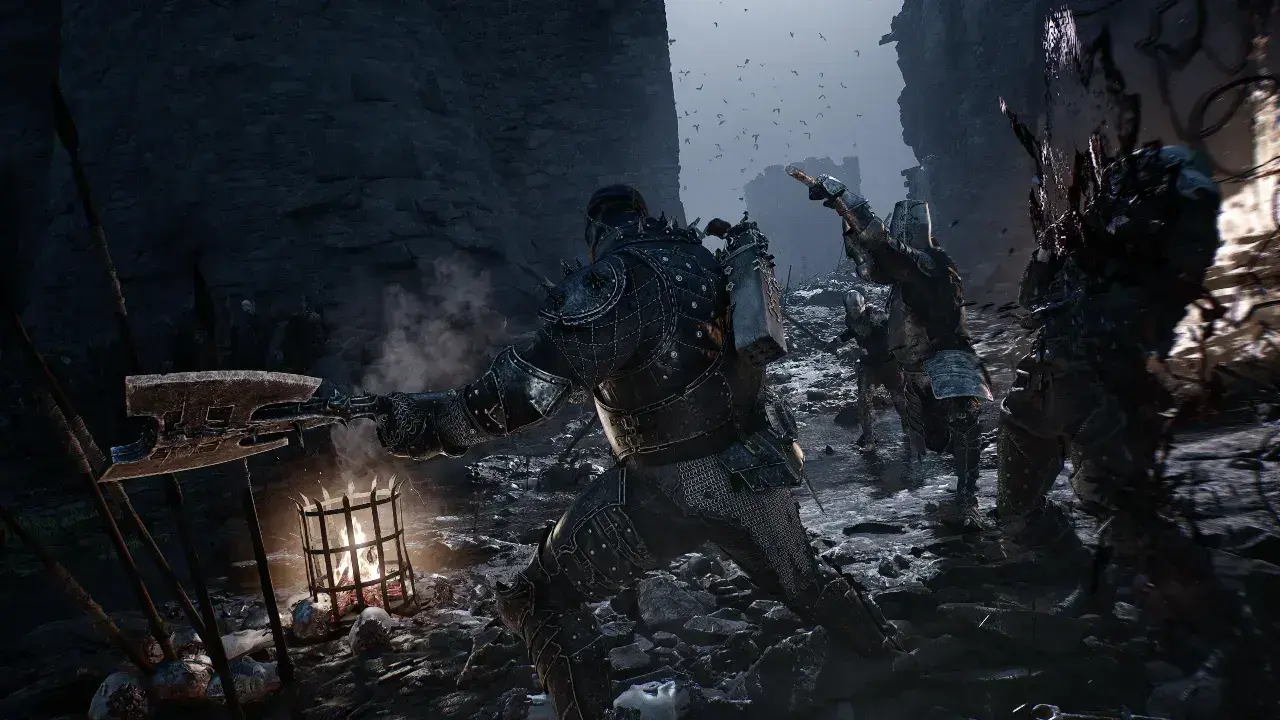
The most radical mechanical change is the removal of the stamina bar. At first, I hated it. Stamina is one of those genre rules that becomes invisible after enough time. You attack, dodge, back off, recover, repeat, but if it’s taken away, the player can sprint, evade, and swing without the usual accountant standing over the shoulder.
My first instinct was to play Mortal Shell 2 as though the stamina meter was still there. This got me killed, repeatedly and with some educational enthusiasm. The enemies are built around the new freedom. They’re tougher, harder to stagger and considerably more dangerous when they manage to turn you into the centrepiece of a group project. The result is aggressive combat that rewards spacing, target priority, and knowing when to cash in your resources.
To fund this new lifestyle, there’s Resolve. You build Resolve by landing melee attacks, then spend it on your powerful Shell abilities and ranged weapons. That creates a nice feedback loop where aggression fills the meter, and the meter gives you more ways to maintain that aggression.
Naturally, the engine still loves to throw a mild tantrum. I stayed in fits longer than I would have in the first game because backing off too often meant voluntarily putting my best toys back on the shelf. Movement special moves and auto-targeting have a frustrating habit of whiffing into the ether, leaving you standing there squinting at a monitor and wondering if your spacing was garbage or the game just gave up. But once the combat finds its groove, you’re shredding through mobs without having to stress over a stamina bar, and it is awfully hard to complain.
Hardening is No Longer Your Only Answer
The original game’s signature Hardening mechanic returns, but it is now one option among several defensive approaches.
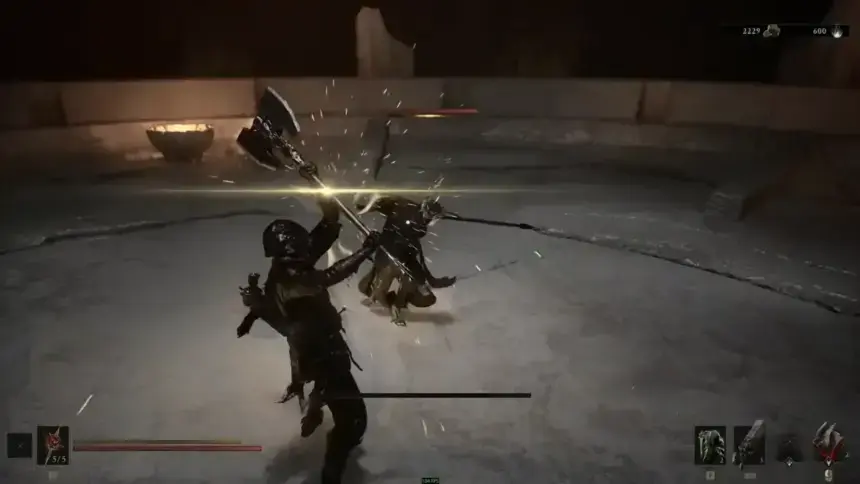
You can use a conventional guard, focus on parrying, or stick with Hardening and turn incoming attacks into brief opportunities. I used Hardening for most of my run because I like being able to attack through danger. Nothing tops the smug satisfaction of committing to a massive axe swing, spotting an incoming sword blow, and turning into a very uncooperative piece of granite in the middle of the strike before carrying on with your attack. But having options is a welcome shift.
Thankfully, your defence isn’t locked to one sacred combat rhythm, so you can build around whatever feels comfortable—or whatever keeps getting you killed slightly less often. The Slayer Seal also provides a lower-friction way through the game’s difficulty, giving players a little more room to breathe. For a genre that often treats difficulty as a sacred stone tablet, Mortal Shell 2 is refreshingly pragmatic about letting you tune the misery to taste.
Weapons Have More Personality Than I Expected
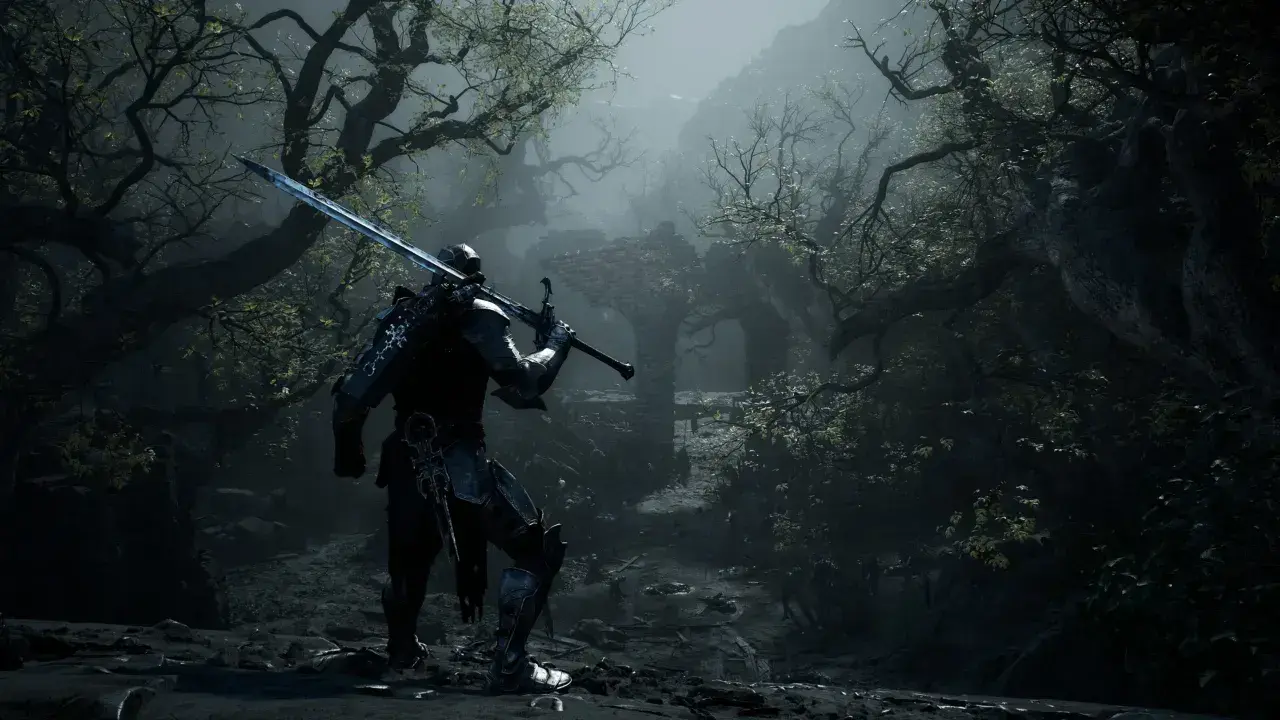
The melee arsenal is good, although it’s not the part of the weapon system that impressed me most. There are multiple weapons with different attack strings, reach, and timing, and learning when to substitute a heavy swing into a combo adds more depth than the relatively simple controls initially suggest. Heavy weapons chop limbs off with a weight you can practically feel through the controller, while the sidearms range from a return of the previous game’s beloved cannon to unhinged options like a haunted infant skeleton in a birdcage that I will not be elaborating on further.
Heavy weapons can hit like a truck but take their sweet time getting to the job. Fast weapons are easier to work with but often trade away the ability to stagger enemies reliably. That part is solid. The real fun comes from the sidearms as the game gets delightfully weird with these. Alongside conventional ranged weapons, you can find tools that behave like weapons designed by someone who had been locked in a haunted prop department for six months. Some are useful for opening encounters, others stack debuffs, some have peculiar crowd-control applications. One is essentially a magical musical instrument, because apparently the apocalypse needed a house band.
The best sidearms encouraged me to think about an encounter before it began. I could soften a dangerous enemy, create an opening, or prepare an effect before stepping into melee. They never quite feel like generic “ranged attack number two.” Refunding weapon upgrades gets you your materials back but not the gold you spent, which is a smart little tax that keeps you from flip-flopping between every shiny new pickup you stumble across.
Tarstones Turn Builds Into Experiments
Tarstones are where the game’s build system gets properly interesting. They can improve basic statistics, apply elemental effects or introduce completely new behaviors and attack options, though they are not universally compatible. A Tarstone might only work with certain weapons, which forces you to consider the whole build, which led to some of my favorite moments in the game. I would find an intriguing Tarstone, notice that it worked with a weapon I had ignored, switch to that weapon, experiment with a Shell that complemented it, and end up with a build I had not planned ten minutes earlier.
There is a danger in giving players too many toys: most of them end up unused. Mortal Shell 2 avoids that better than I expected. I did develop favorites, but the system consistently tempted me to test something else. The annoying part is upgrade economics. Moving investments around is possible, but certain resources are not fully refunded, so experimentation becomes more expensive later in the game. The game wants you to experiment. Your wallet would like a word.
Fainweald Will Eat Your Afternoon
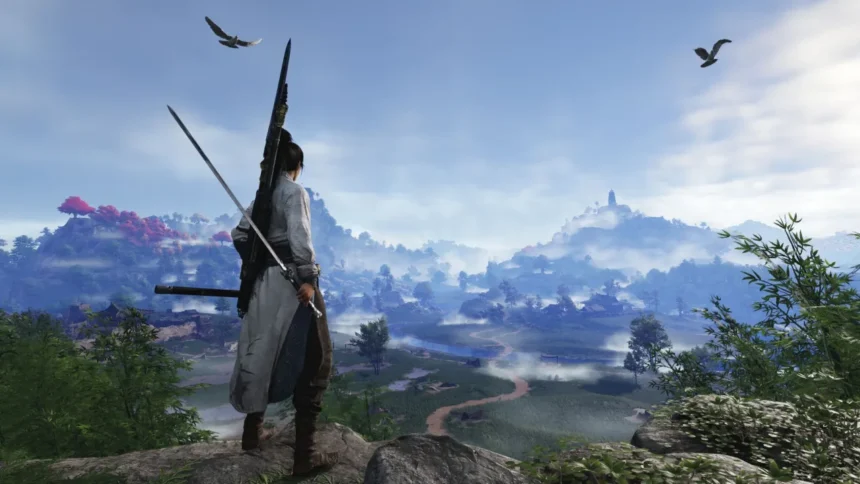
The world, Fainweald this time around, ditches the old hub-and-spoke layout for one crowded, twisted landmass dotted with six gates leading to their own dungeons. This is the map where you set out to reach a specific waypoint and arrive forty minutes later somewhere completely different, having forgotten your original destination three side-paths ago. A map exists this time, mercifully, though a proper pin system would have saved me from abandoning at least a dozen POIs that I never circled back to.
Fainweald is dense, gloomy, and unpleasant with the same basic pleasure as exploring a good Souls world where there’s always a strange silhouette somewhere in the distance that looks as though it probably has something valuable, dangerous, or deeply cursed attached to it—usually all three.
The landscape is filled with little detours, combat arenas, hidden routes, and self-contained dungeons. Some are just a tight gauntlet of enemies guarding loot, others hide clever secret passage nonsense that wouldn’t be out of place in a decades-old PC shooter, where level designers were allowed to hide a switch behind a suspicious wall and let you wander around looking for it without apologising. Some dungeons operate as compact puzzle spaces, combat gauntlets or strange adventures disconnected enough from the main route to appear discoveries rather than assignments.
Enemies are Better Than the Bosses
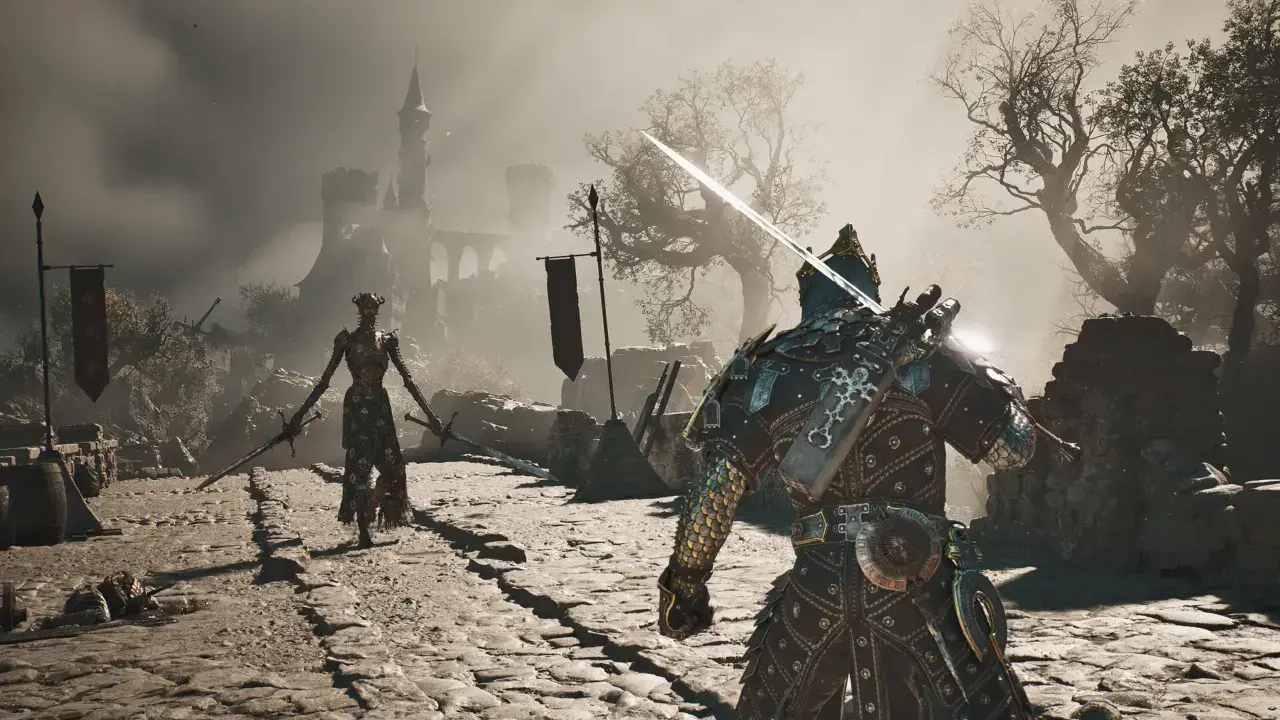
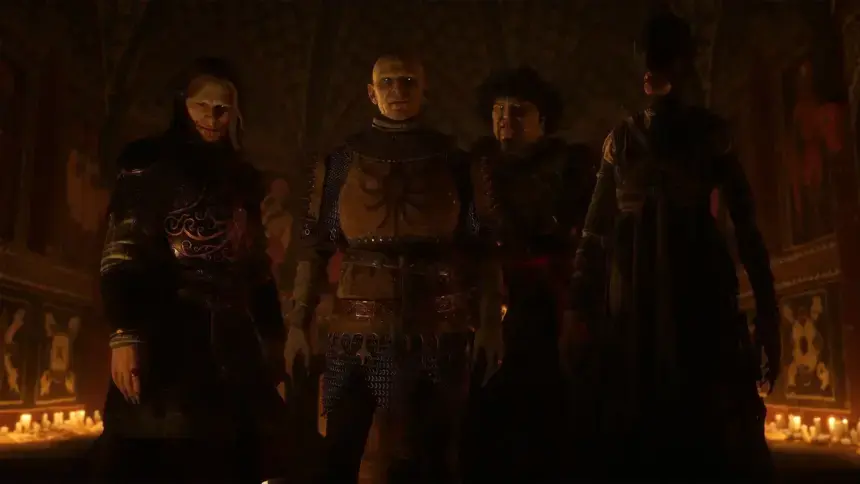
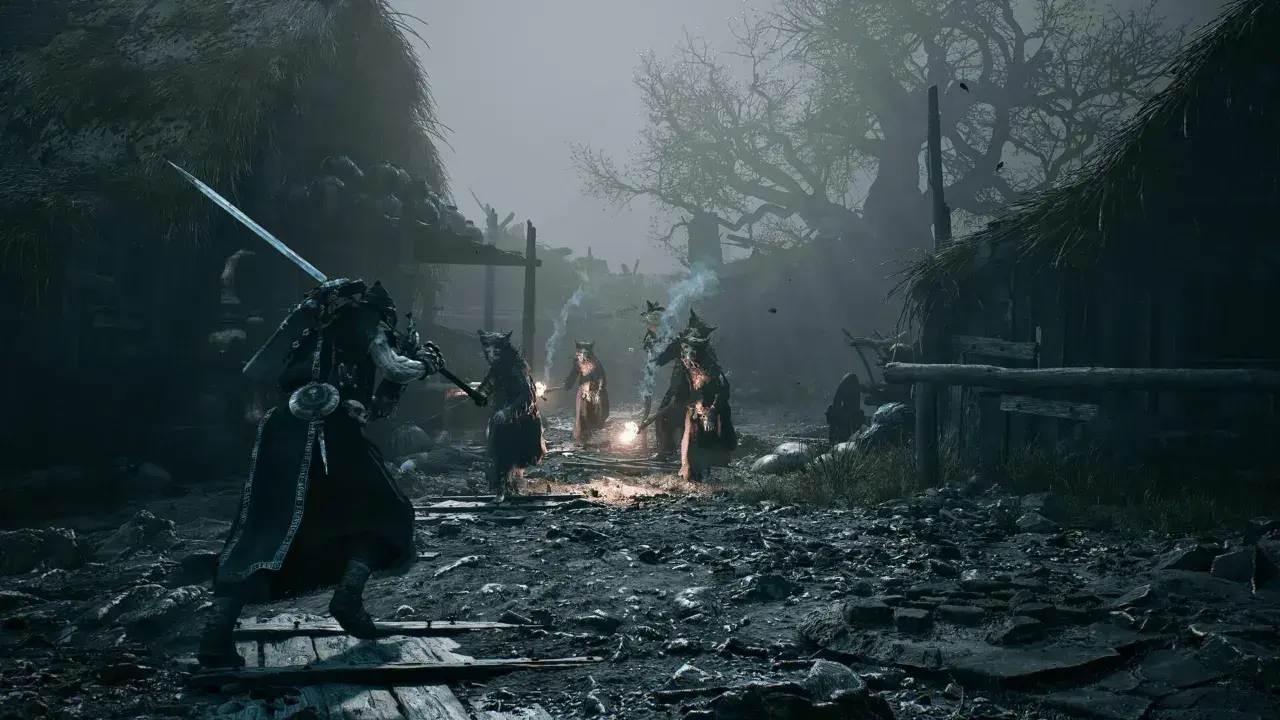
The regular enemies are fantastic. This may be one of the strangest creature rosters I have seen in a Soulslike in a while. There are armored fighters, cultists, distorted humanoids, exploding creatures and monsters that look as though someone put human anatomy through a particularly malicious photocopier.
Bosses are, unfortunately, the weak link. There are only six major encounters, and most of them rely on a small number of attacks and repeat predictably. Once I understood the pattern, some encounters became exercises in waiting for the obvious opening, particularly disappointing in a game whose ordinary enemies can create such excellent chaos. The regular open-world miniboss encounters fare even worse, often amounting to recolored reskins that blur together within a few hours. It’s a shame, because everything surrounding these fights — the buildup, the atmosphere, the sheer creature design — sets up an expectation the fights themselves rarely cash in on. A Soulslike boss should make someone nervous. Too often, these made me mildly organized.
The Story is Easy to Follow, Which is a Dangerous Sentence to Write About a Soulslike
The plot is still dark fantasy weirdness in the best possible sense, but Mortal Shell 2 isn’t nearly as obsessed with being cryptic as most other Soulslikes. The Harbinger is connected to the UnderMether, whose arrival has brought a mess of factions, stolen Ova, and supernatural complications into the world.
The big story is interesting, but the character-focused material is what worked best for me. Each Shell has its own history, and increasing your relationship with them unlocks memories that put some human context around the empty bodies you’re walking around in. That was a welcome change of pace. Instead of learning everything about a character through twelve paragraphs buried inside an item description, you occasionally get a more direct look at who they were and what happened to them. The humor also deserves credit.
Mortal Shell 2 is very committed to being miserable, but it knows when the misery has become funny. Strange tavern scenes, ridiculous weapons, bizarre characters and moments of deliberate absurdity stop the game from becoming an endless parade of skulls staring sadly into fog. The tonal balance gives the world more personality.
The Difficulty is More Flexible Than the Genre Usually Allows
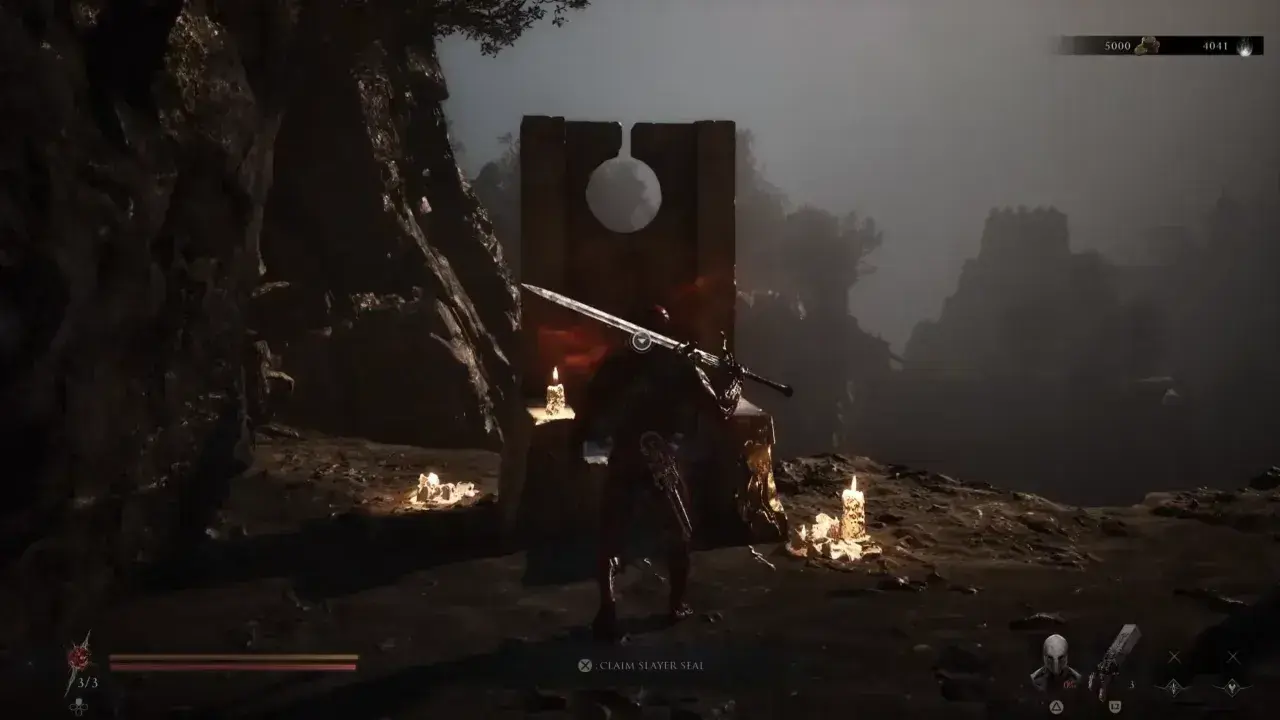
Credit where it’s due: the difficulty options in Mortal Shell 2 are some of the smartest of the genre. Early on you can pick up the Slayer Seal, which buffs your ranged damage and gives you a devastating charged punch, effectively an Easy Mode with real teeth rather than a watered-down experience at the cost of disabling achievements for that save, a trade the game is upfront about. Want the opposite? Light a Gloombound Flame back at your hub, and you can switch into a night-cycle hard mode, which beefs up every enemy on the map and unlocks content you won’t see otherwise. Both are optional, reversible, and respect that different players want wildly different things out of a fight.
I appreciate this strategy because it preserves the core combat systems while giving players some control over how much friction they want. I also found the baseline game somewhat easier than the hardest Soulslikes. That is not necessarily a criticism. The combination of flexible builds, Shell abilities and powerful gear can make Calvin’s progression accelerate noticeably, especially once you understand how your preferred setup works.
Rough Edges Worth Mentioning
Technically, this is a much more polished game than the first Mortal Shell, but it is not spotless, and there’s still ground to cover. I encountered the occasional bugged attack animation, some inconsistent hit detection on grouped enemies, and a save-point distribution that ranges from generous to borderline cruel depending on which corner of the map you’re standing in. None of it destroyed the playthrough, but a few of these deaths left me squinting at the screen wondering if that was even my fault. However, these are the issues developers will most likely address in the upcoming patches.
Verdict
Mortal Shell 2 is a rare sequel that understands expansion need not mean inflation, takes the original’s compact ideas and gives them room to breathe without inflating them into the usual open-world pudding. The Shell system is deep, the combat more flexible, and the world full of diversions that prove to be worth the diversion. Its mix of grim horror and peculiar humour gives it a personality that many Soulslikes, with their solemn ruins and hereditary misery, might envy.
It is not immaculate. Some bosses are less memorable than they ought to be, technical oddities occasionally intrude, map marking is awkward, and late-game experimentation can be very expensive. But these are complaints made from inside a very good game. This is a bigger Mortal Shell, certainly. More importantly, it is a more assured one.