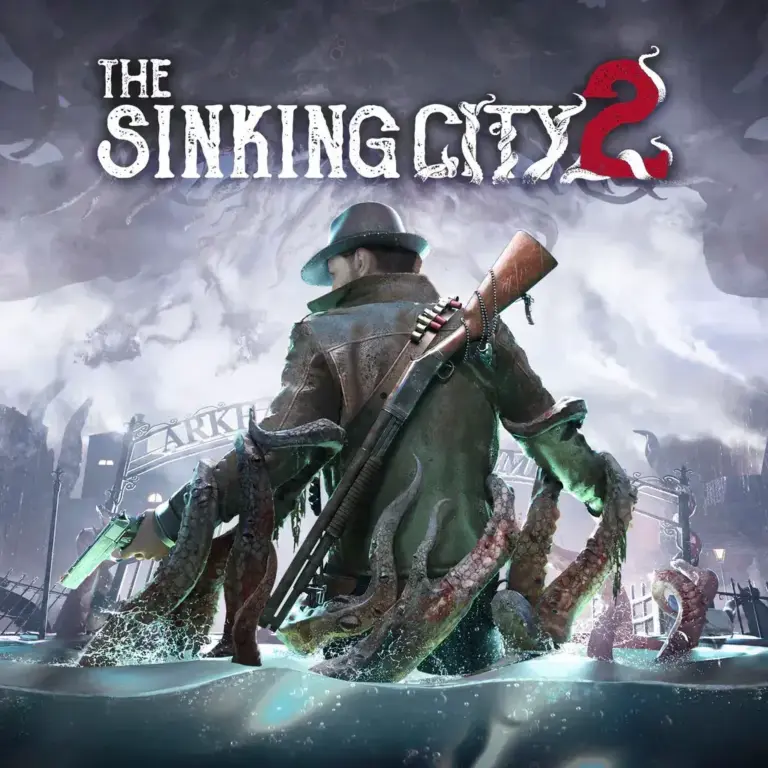
The first The Sinking City had a killer setup buried under a game that didn’t quite know how to use it. Great pitch — detective noir meets Lovecraft meets a half-drowned city you putter around in a boat, but every time the game forced me into combat, I remembered why I’d put it down in the first place. So when I heard the sequel was ditching the open world and arriving as full survival horror, I was skeptical. That’s a big swing. I sat down expecting to write a polite review about a studio overcorrecting, but instead was forced to stay up two hours past when I meant to stop, because I needed to know if Cal and Faye were going to be okay, and that surprised me more than anything the monsters did.
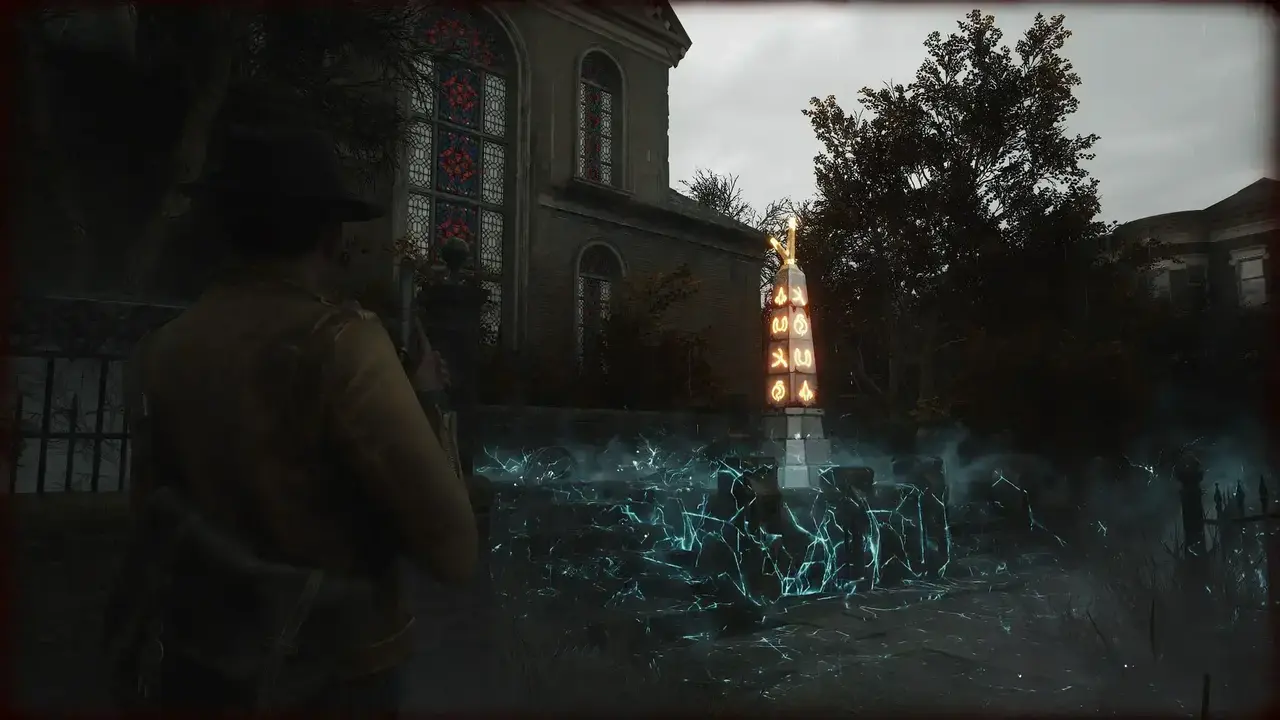
Frogwares clearly learned from the past, scrapped the bloated sandbox, and pivoted to a tight, focused survival horror reminiscent of classic Resident Evil transplanted into 1920s Arkham. The sequel, The Sinking City 2, throws out almost the entire old structure for a tighter loop that includes corridors, item boxes, save rooms, and ammo you’re always three bullets short of. It’s a gamble that mostly pays off.
It’s not flawless. The small inventory can become a petty tyrant, some fights lose their tension once the supplies come flying into the backpack, and the story occasionally feels as though it’s sprinting toward the credits. Still, after spending around 12 hours in flooded Arkham, I came away with the impression that the developers finally found a format that suits this series.
New City, New Guy, Same Nightmares
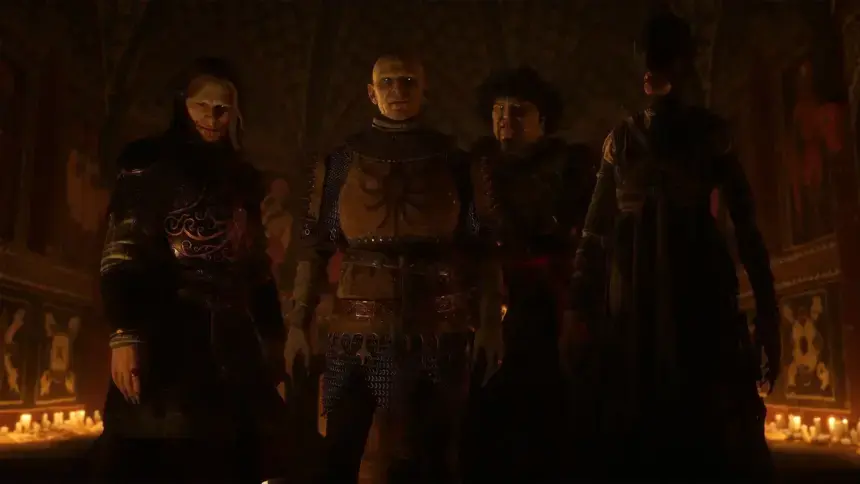
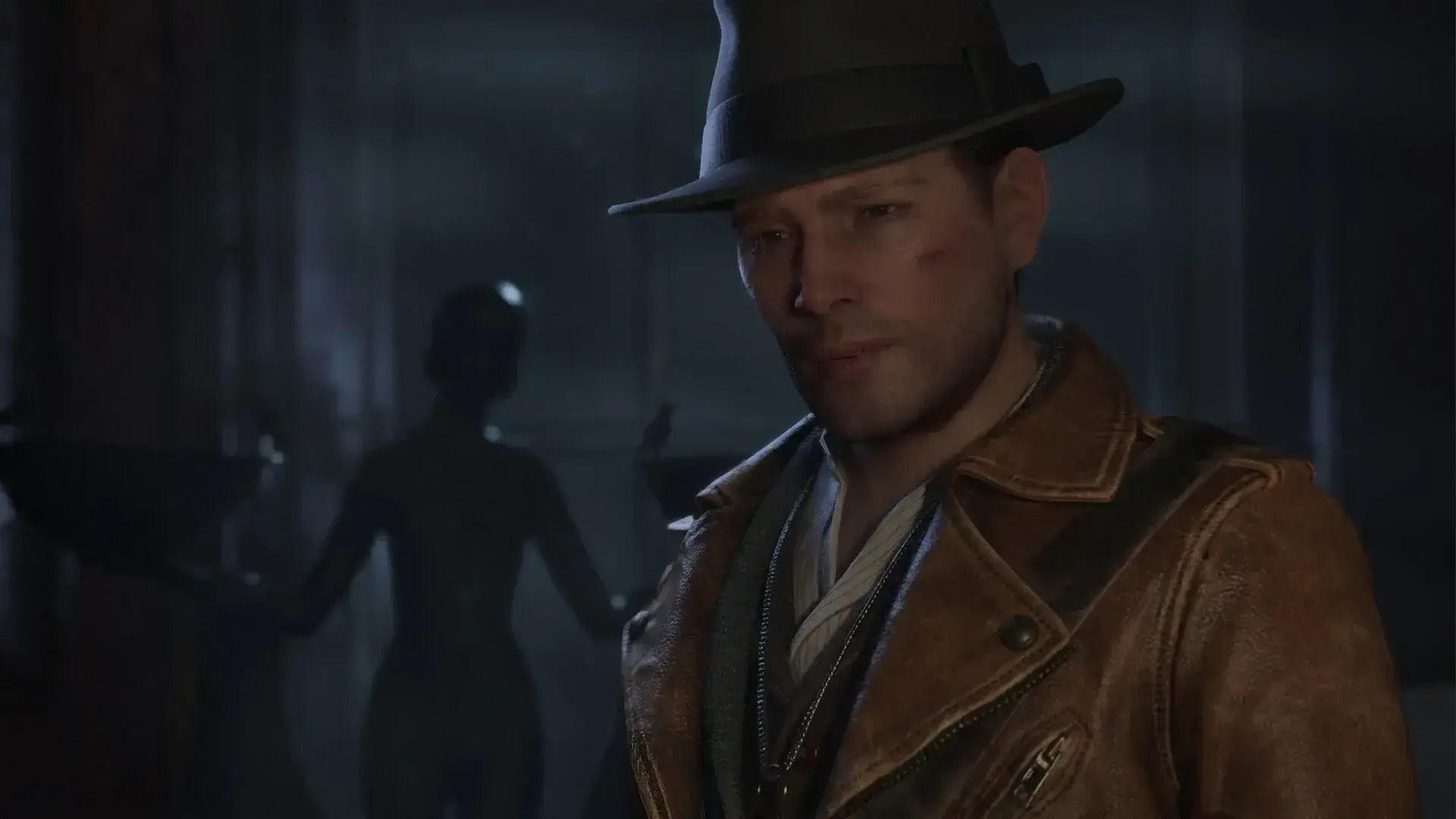
Arkham (the cursed New England town, not the asylum) is drowning, and everyone with sense has already left. Calvin Rafferty hasn’t, because his partner Faye Bennett is stuck in a coma after a botched ritual sent her mind somewhere it shouldn’t have gone, and he won’t leave without her. The old game’s protagonist is gone, and this is a fresh cast in a fresh location, and you lose nothing by skipping the original.
What’s left behind, unfortunately for Cal, is the flood, and the flood brought passengers. Worm-like parasites called the Slither have started crawling into corpses and puppeteering them around with murderous intent, which is as unpleasant to fight as it sounds.
The Calvin-and-Faye relationship is doing a lot of heavy lifting here, and it mostly earns it. Neither of them treats the collapse of their city with the grim seriousness you’d expect — Cal in particular takes each new horror with exhausted curiosity, like a man who has stopped being surprised that his life has become a nightmare and is just trying to get through the shift. I liked this nice change of pace from the usual dead-eyed horror protagonist, and it makes the quieter dialogue scenes land better than they have any right to.
Combat That Finally Works
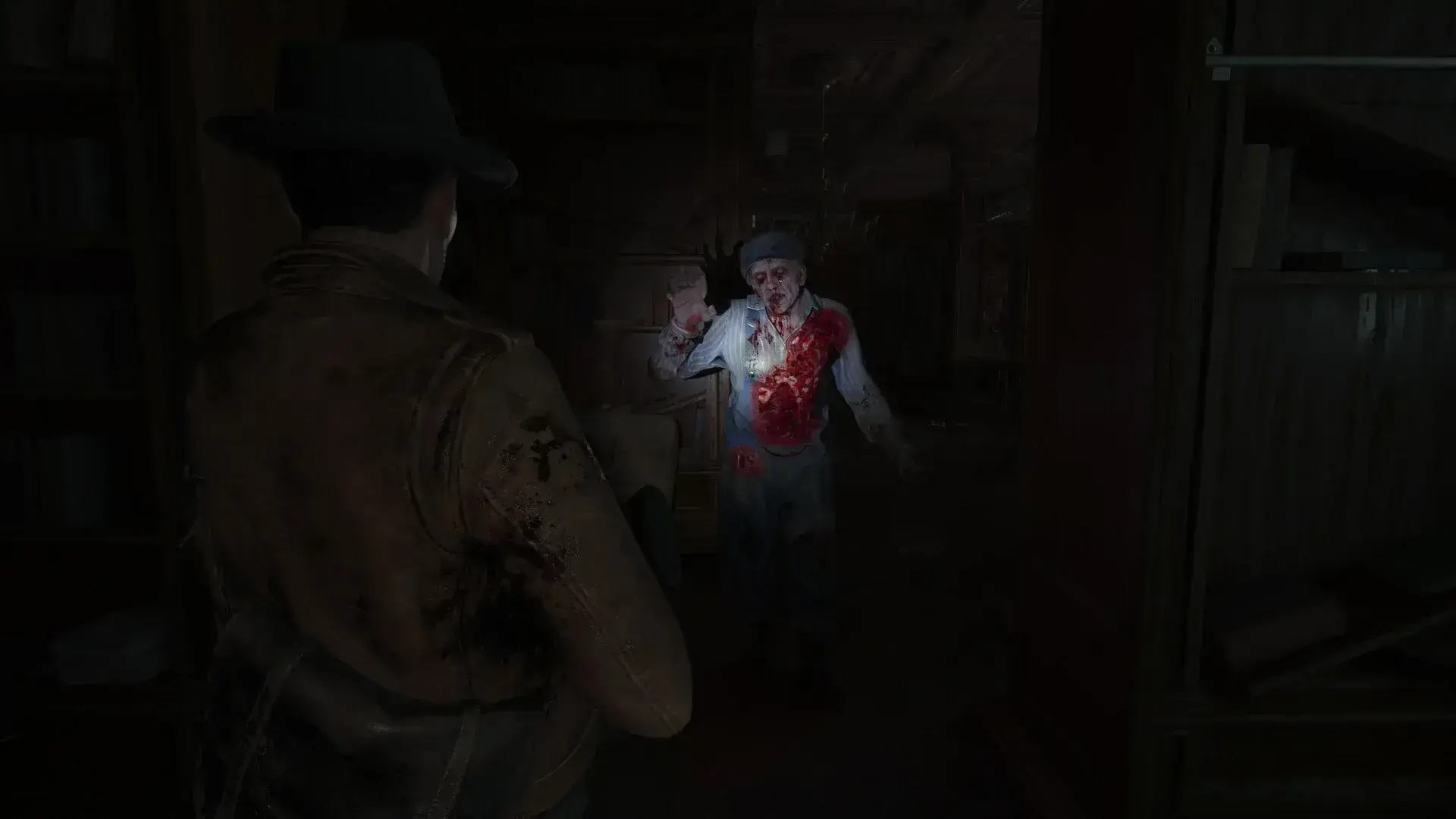
Where the first game fumbled every time it forced you into a fight, the sequel plays like Frogwares studied the genre it’s borrowing from. I’ve got a real dodge now, guns that do something when put to work, and a stomp for finishing off anything already down. I baited my first real enemy into a lunge, sidestepped, and got a free knife hit in almost by accident, and grinned like an idiot at my own screen.
The Slither (the worm things riding around in corpses) are the reason combat stays interesting instead of just competent. Weak points aren’t fixed like a headshot in most games; they well up as glowing lumps wherever they feel like appearing, so I spent an embarrassing number of encounters circling an enemy shouting “where, WHERE” at my TV while it closed the distance on me.
The wrinkle that sells it: killing the host doesn’t necessarily kill the worm, and if you don’t stomp it out, it’ll scurry off and climb into the next body lying around, which turns some rooms into a slow-motion panic as you try to figure out which pile of “already dead” enemies is about to get back up.
Detective Skills, Downgraded
Given that this is the studio behind the modern Sherlock Holmes games, it’s a little funny how thin the actual detective work has become. You’ve still got a corkboard-style mind space where you pin notes and link them together, but it’s almost entirely in service of safe combinations and door codes now, not working out who did what. I wanted to feel clever piecing together a mystery; mostly I felt clever piecing together a four-digit number. Cal dresses like an investigator and gets knocked out with noir hero regularity, but he’s not really solving crimes so much as collecting digits.
That said, the system itself is satisfying to use. Notes light up when they’re ready to connect, but the game doesn’t simply hand you the answer. You still have to read the clues and work out that, say, a business’s founding year is also a safe combination. It’s a small thing, but figuring it out yourself feels better than watching a quest marker do it for you.
The Inventory Grid Problem
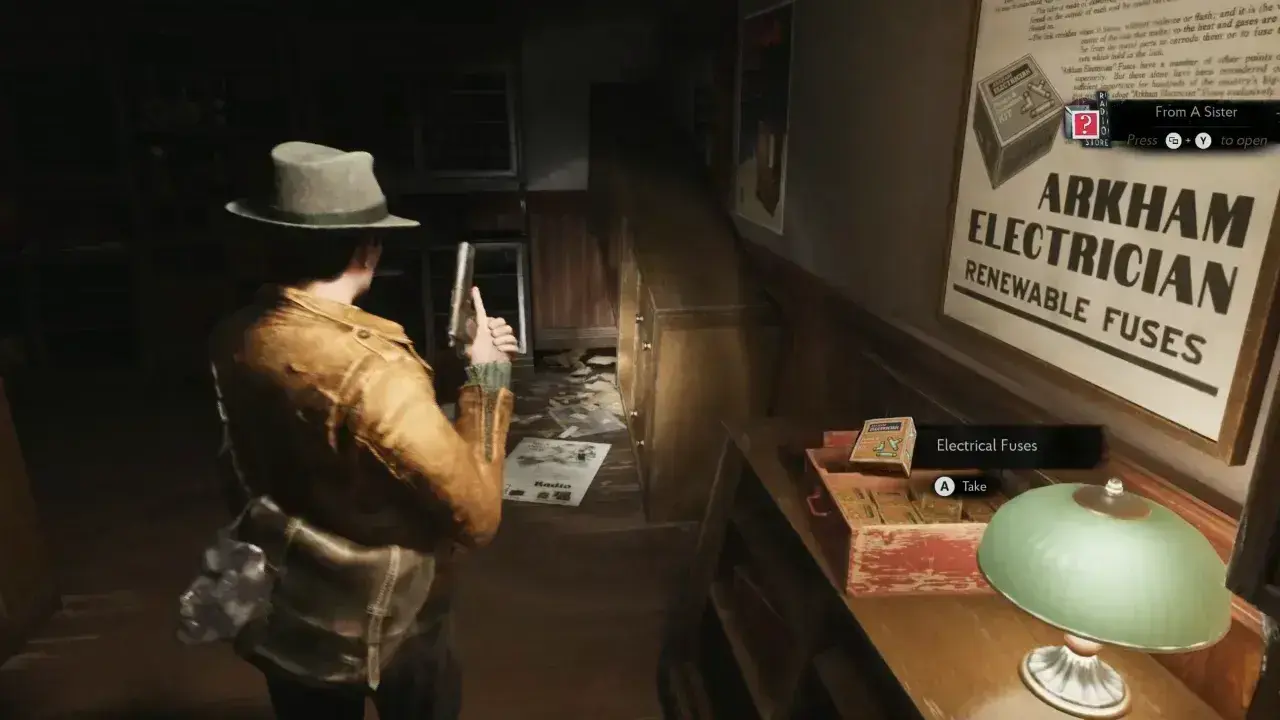
If you’ve played a modern Resident Evil, you’ll understand the pain: a grid inventory where your rifle eats six squares and a plot-relevant fish-shaped key takes up the same space as a handgun. I left a shotgun in a safe room to make room for supplies at one point and found two boxes of shotgun shells not ten minutes later. Typed a complaint into my notes app right then and there.
Crafting doesn’t help much either — combine herbs and chemicals to make medicine you could’ve just found as medicine. It’s friction dressed up as a system, there mainly to make you choose between healing and bullets when supplies run low, and as a tension lever it works, but it doesn’t seem to add anything beyond forcing that choice.
Big Rooms, Small City
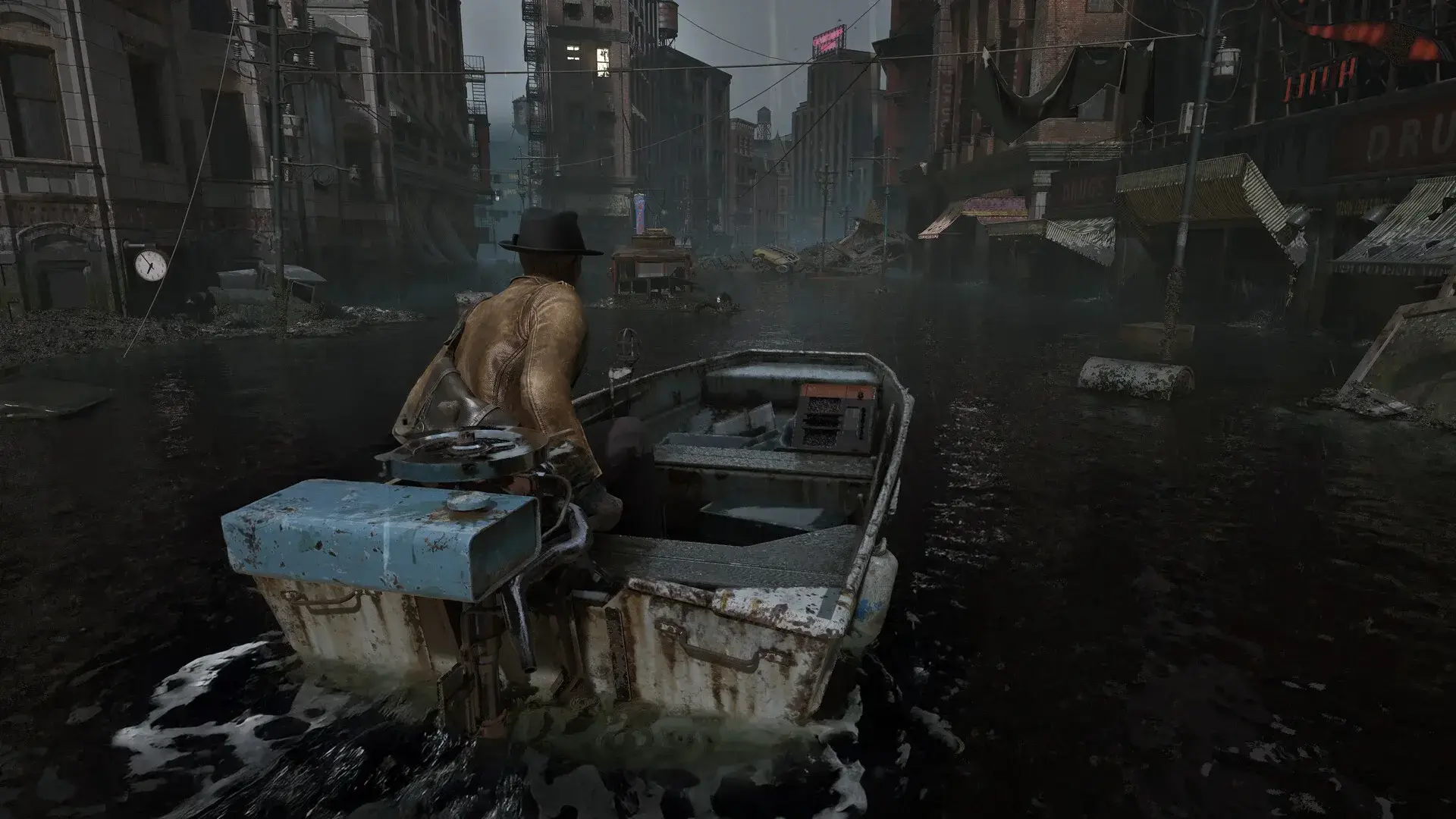
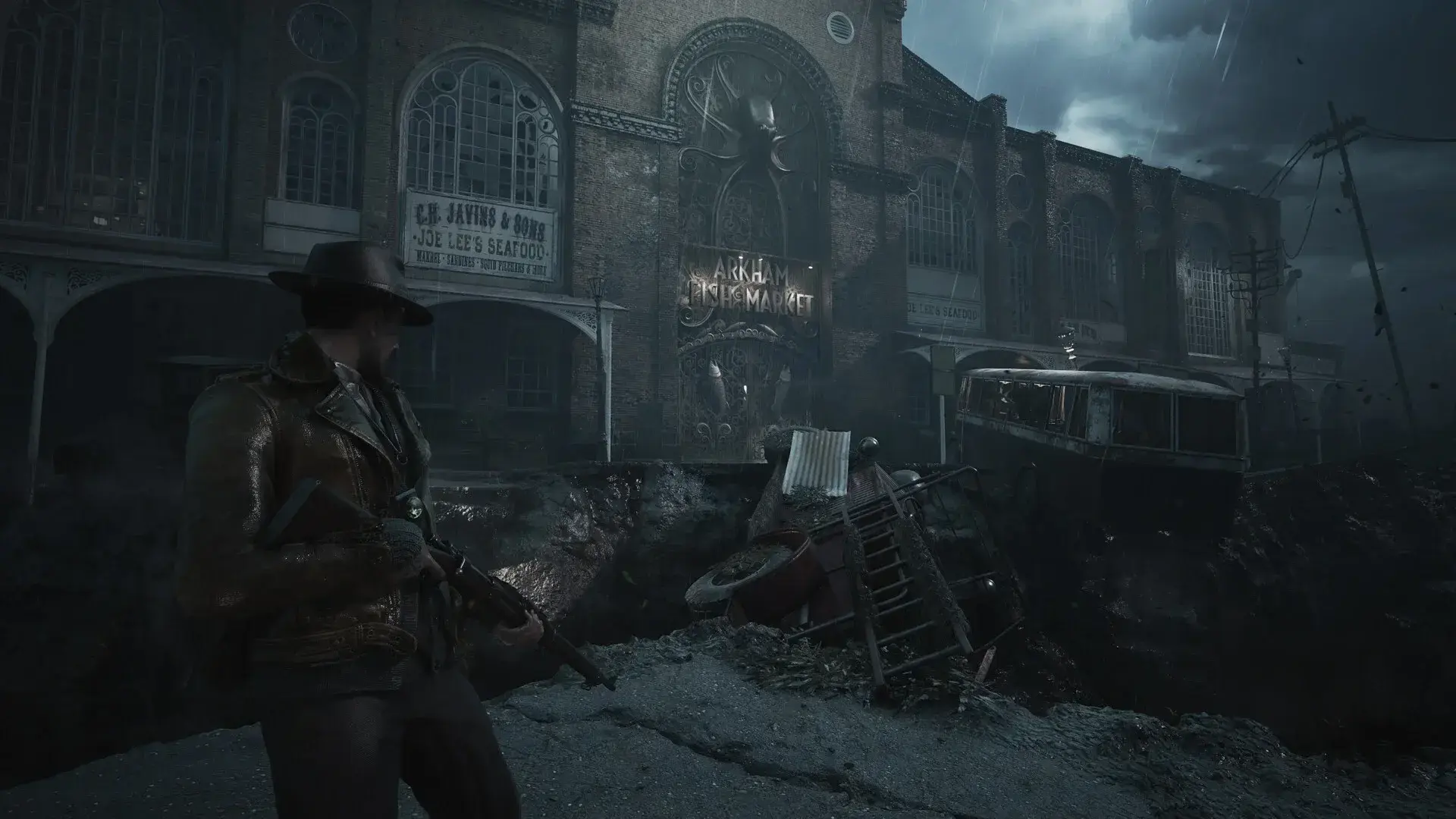
I expected the flooded streets from the trailers to be the whole game. They’re not — that boat-and-floodgates section is basically the prologue, and after that you never touch the water again. Every following area, hospital included, is its own sealed-off maze with its own gimmick (face-lock security doors instead of flood horror, for one), and you never circle back to anything you left behind.
I liked each area on its own terms, but I finished the campaign in around thirteen hours and came away wanting more time in the flooded city that got the marketing push, and more of the Dreamlands than the sliver we actually get. The ending arrives fast enough that I sat there for a second going “wait, that’s it?” before the credits convinced me it was. There’s a New Game Plus for a second run, though it doesn’t let you carry your upgrades over, which stung a little after how much time I’d sunk into finding them.
Made Under Impossible Circumstances
The Sinking City 2 was developed by Frogwares, a Ukrainian studio, while its country was under active invasion. Staff were displaced, conscripted, lost homes, and worked through blackouts and worse, and the game doesn’t shy away from that reality. There’s a moment in the hospital section built from real testimony that has nothing to do with cosmic horror and everything to do with the actual war, and it hits harder than anything the Slither ever managed.
Some of the ambient siren sounds you hear during the flood sections are lifted from real air-raid warnings. None of that excuses a weak feature if it were weak, but it’s impossible not to have a little more patience for the game’s few missteps knowing what it took to finish it at all. I don’t grade a game easier because of how it was made, but I’d be lying if I said that context didn’t make me root for it a little harder by the end.
Final Verdict
The Sinking City 2 has ditched the open world—a mercy, really—and leaned hard into the cramped, resource-starved survival horror. The combat and enemy design are strong enough to stand next to the genre’s current best. It loses its footing toward the back half, though. The crafting becomes busywork, just friction without any real payoff, and the campaign burns through its conclusion before it’s earned the right to stop. Even the detective mechanics have been pushed to the background, serving as little more than set dressing. But looking at it as a first swing, made under conditions no development team should have to work under, it’s a genuinely good time. I’m not left wishing they’d scaled back and will want to see how they carry these ideas even further next time.