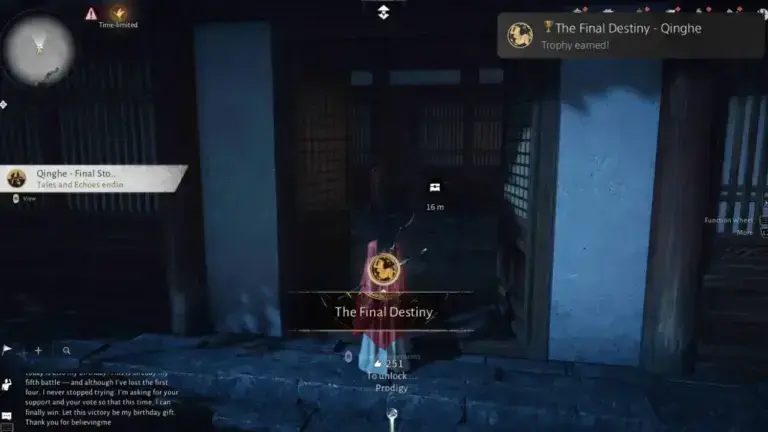
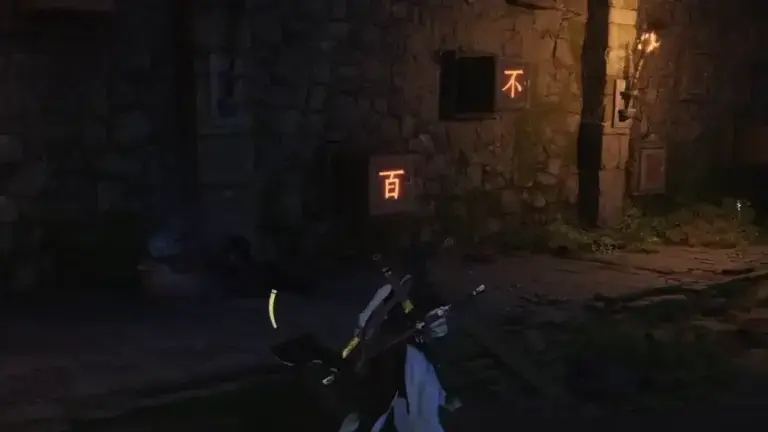
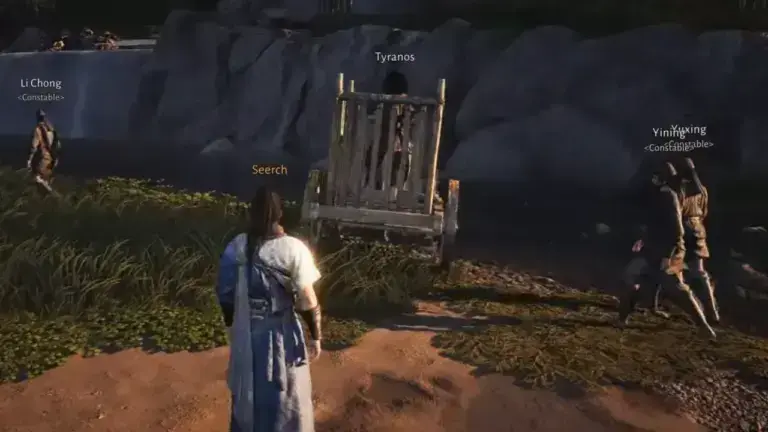
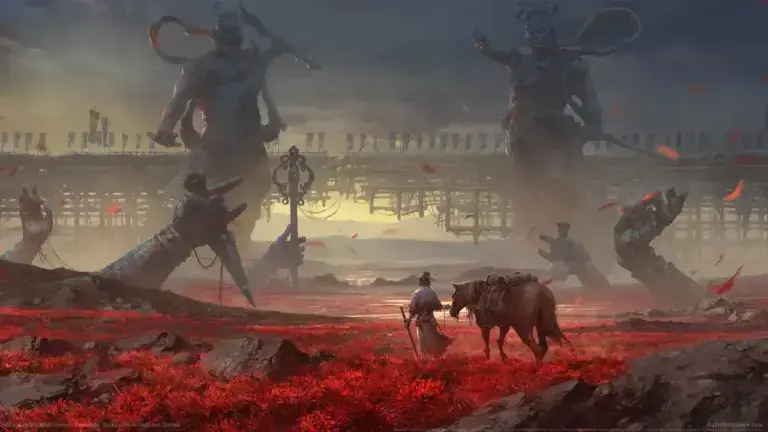
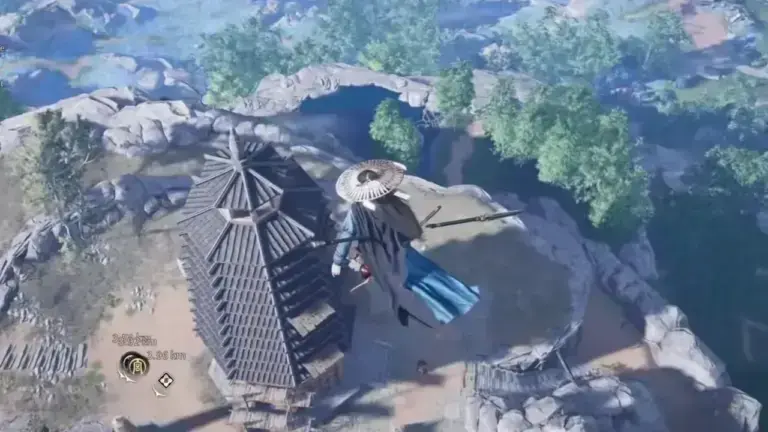
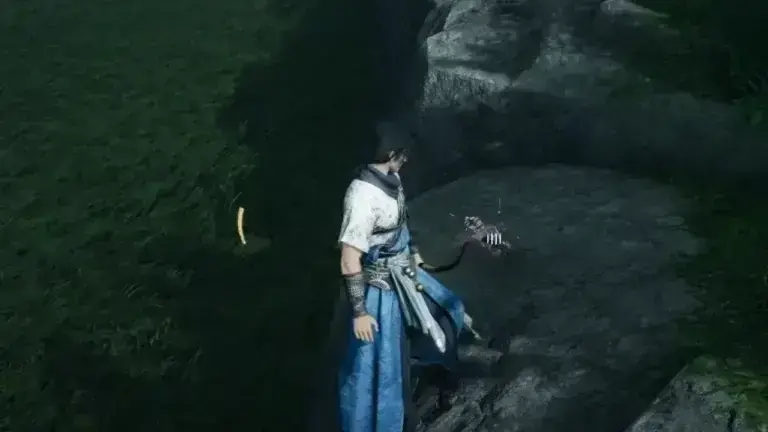
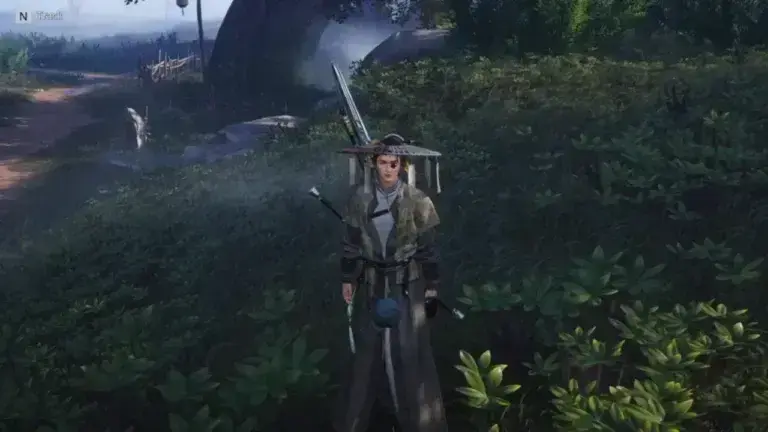
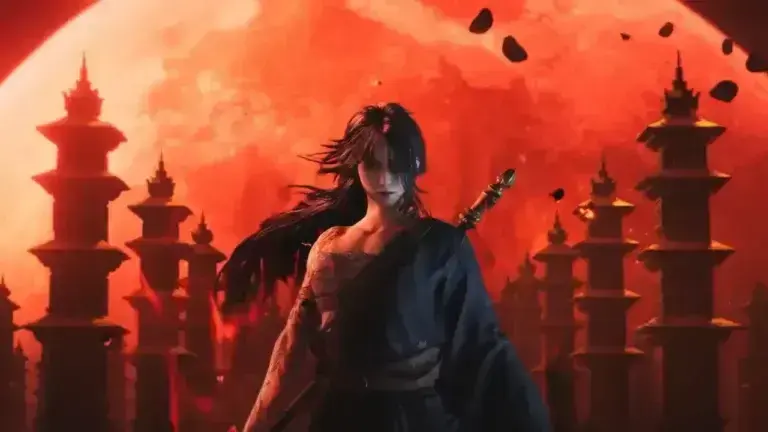
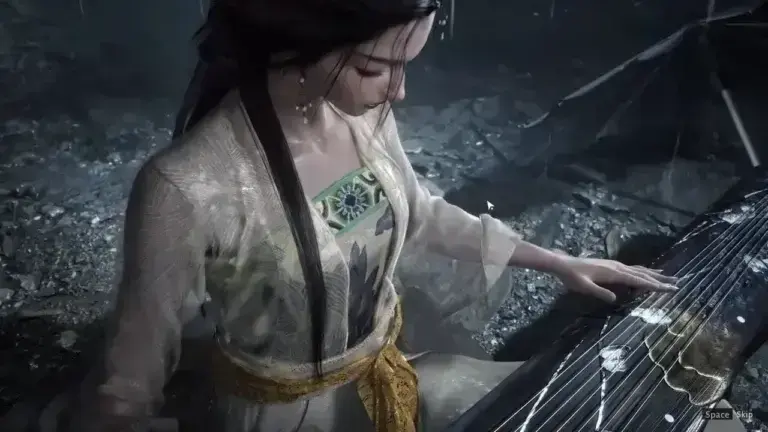
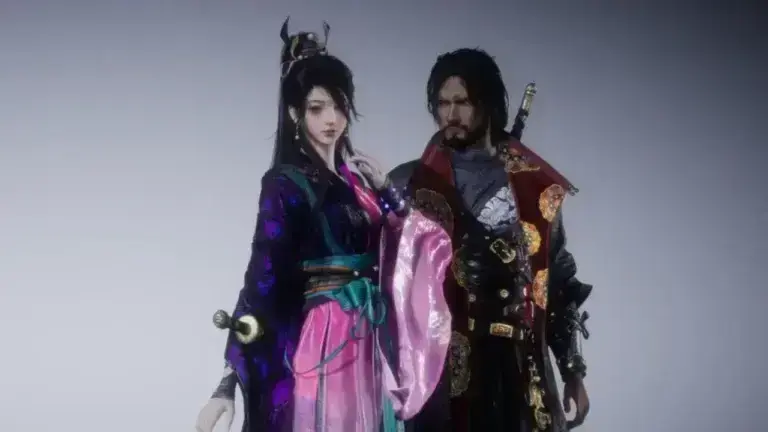
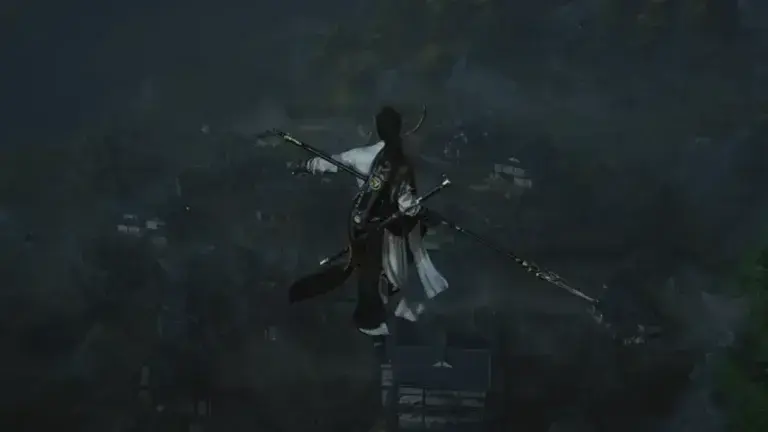
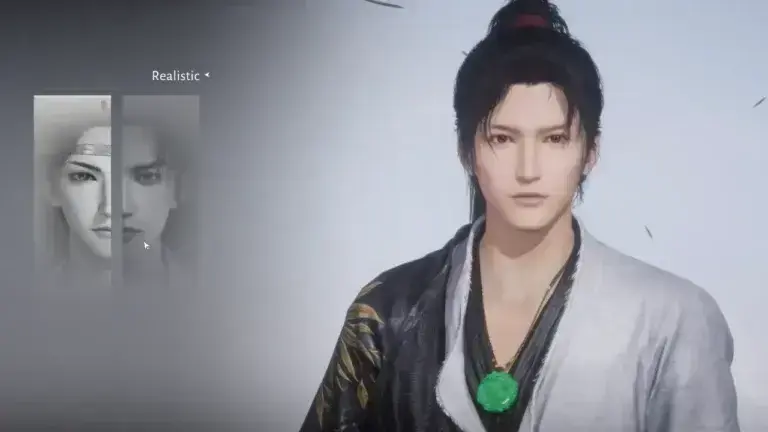
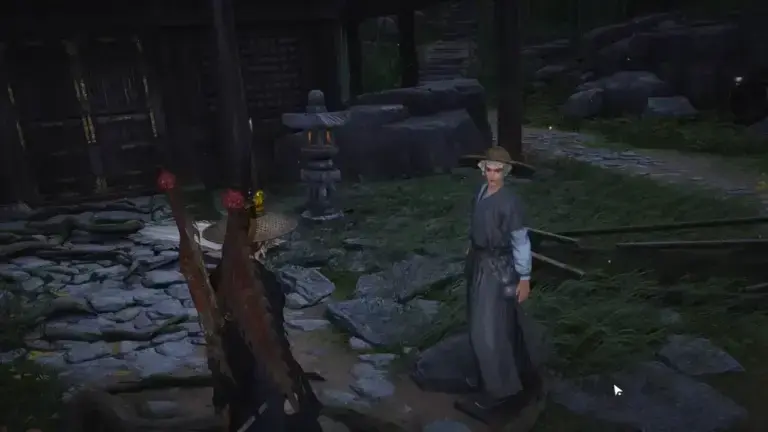
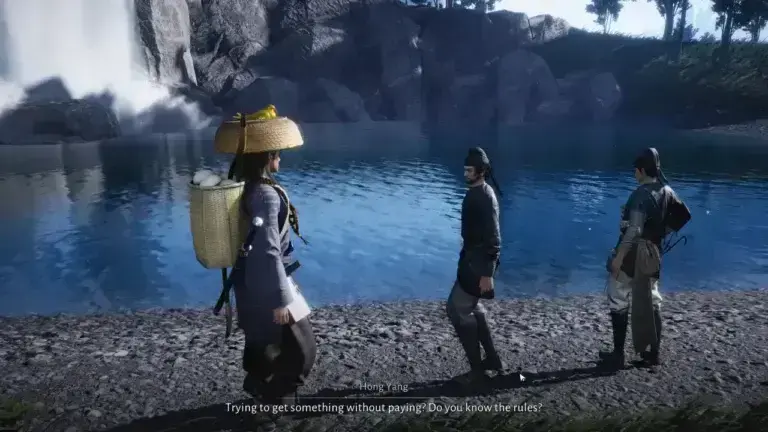
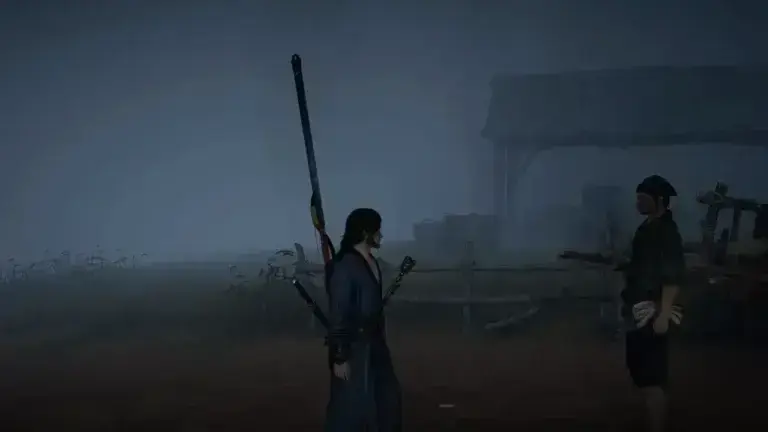
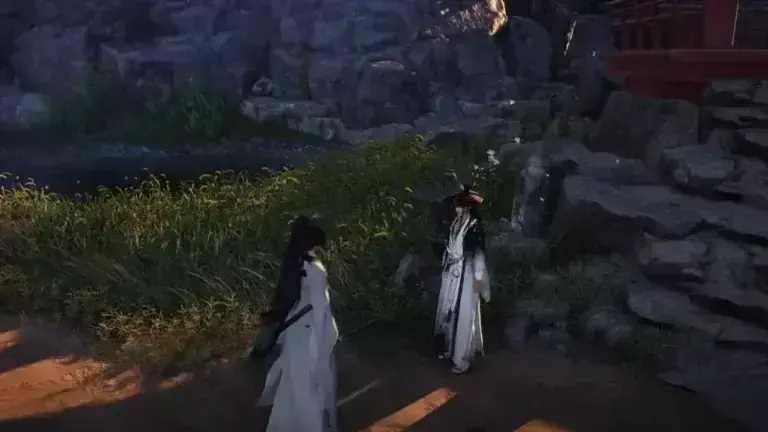
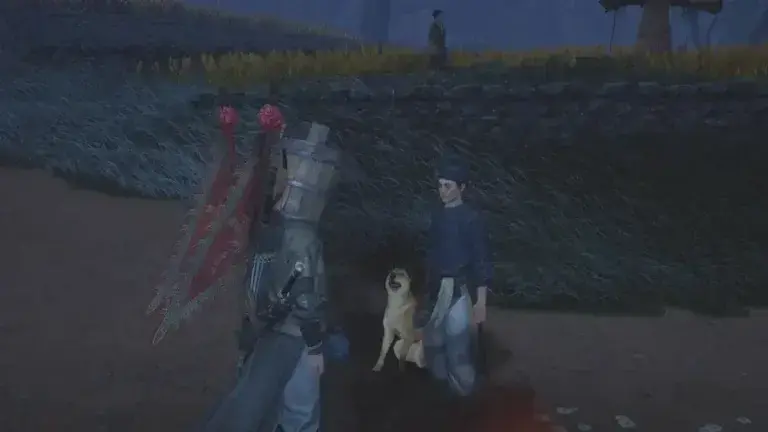
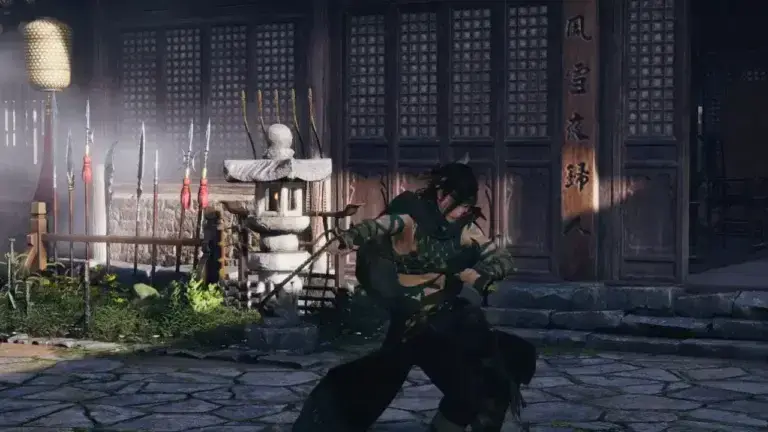
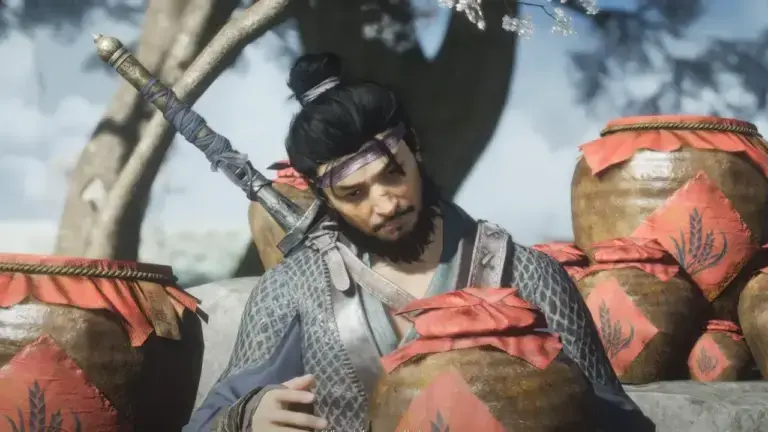
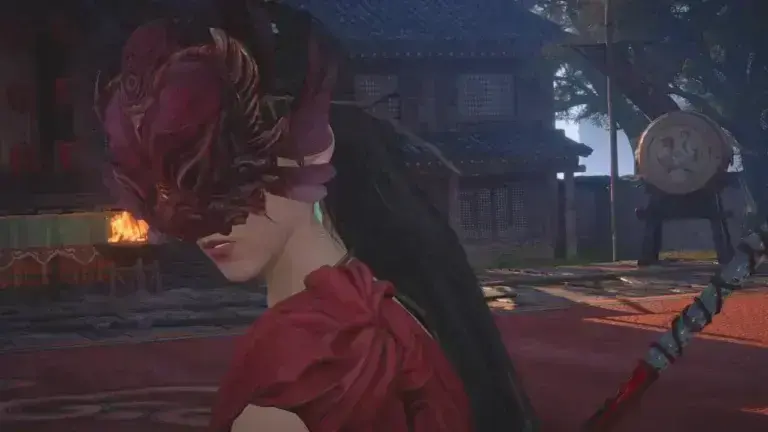
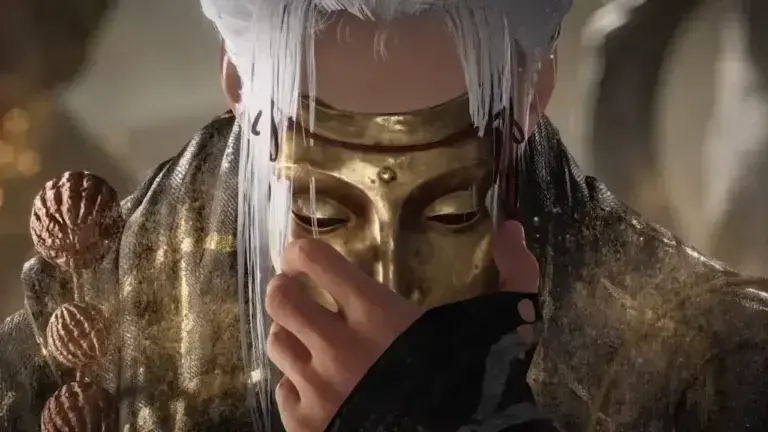
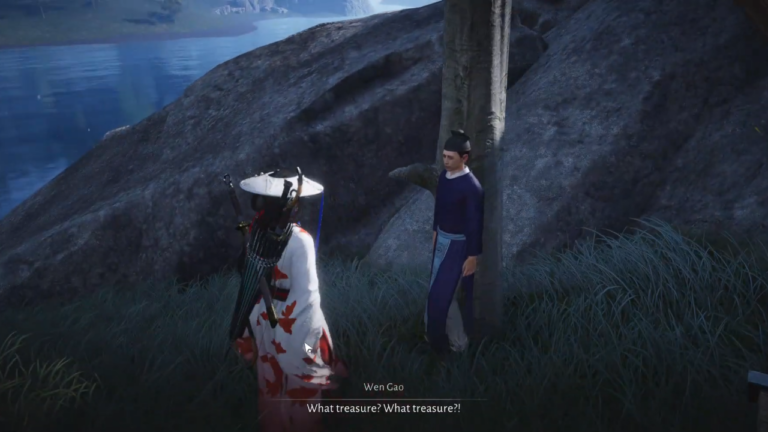
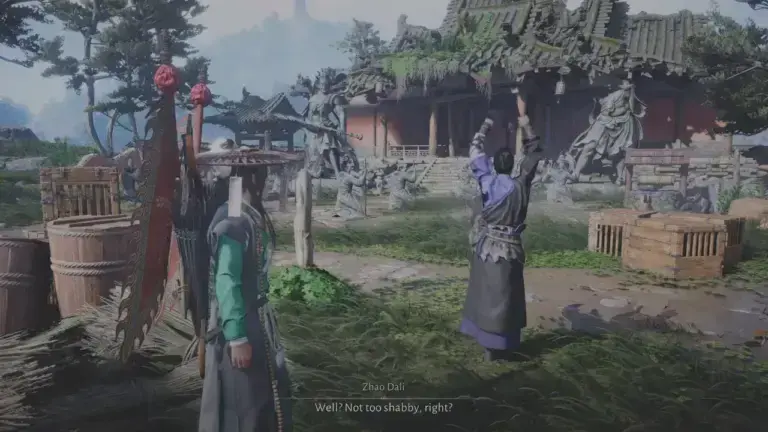
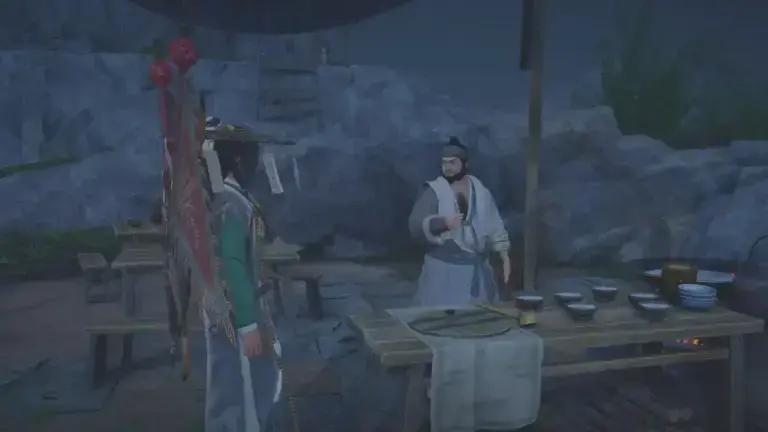
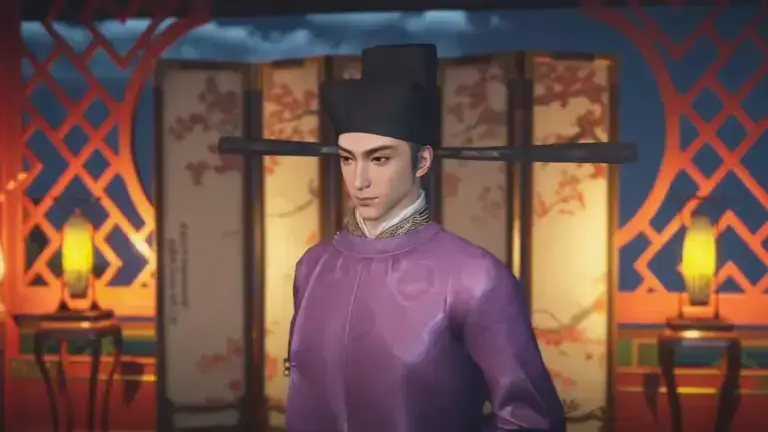
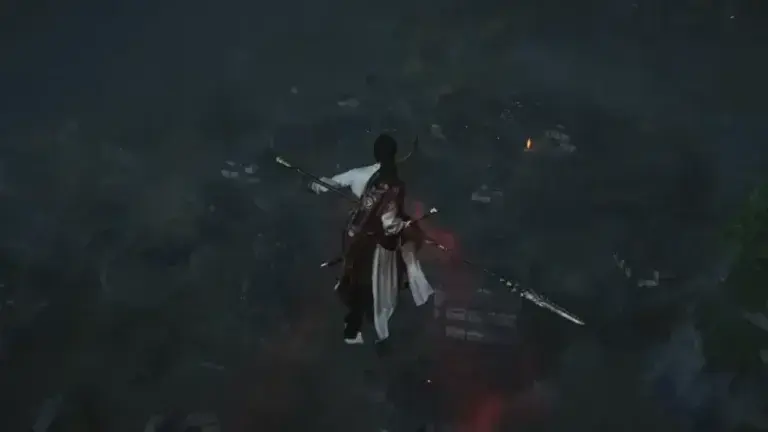
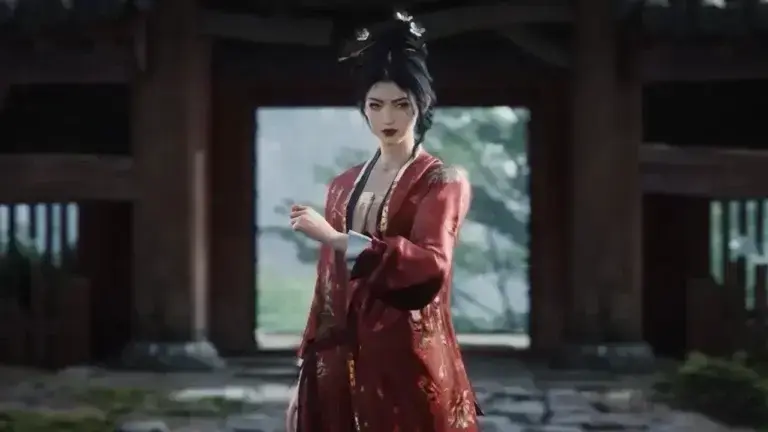
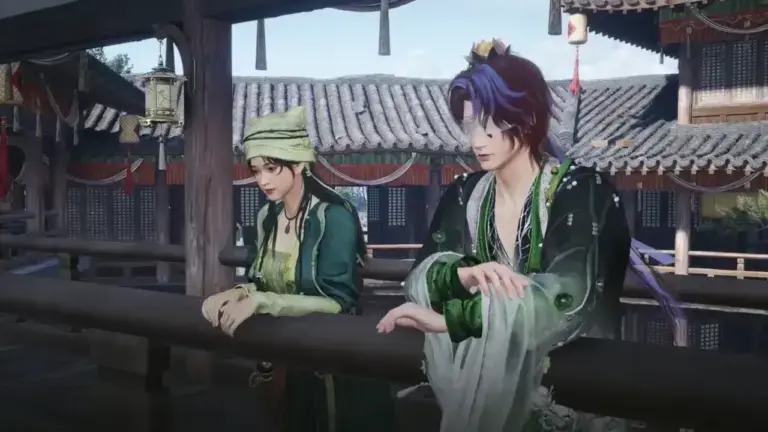
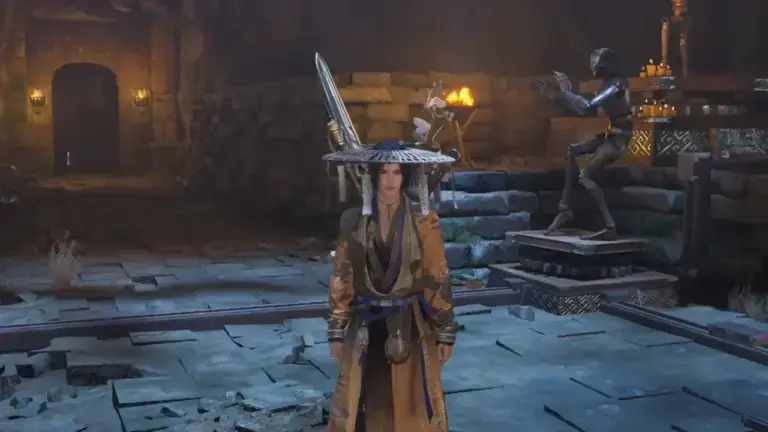
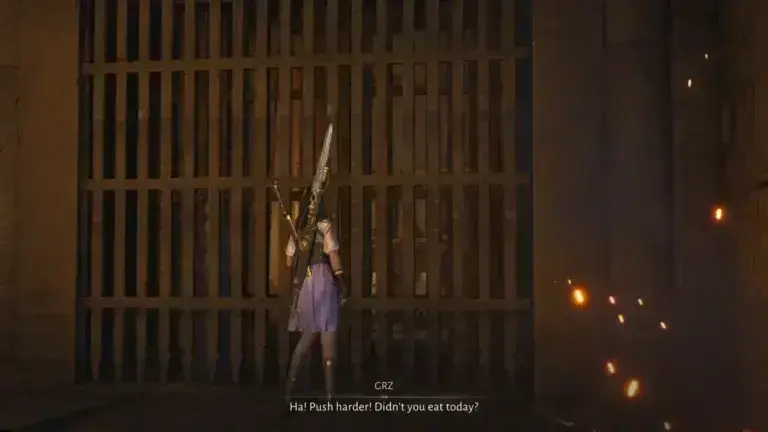
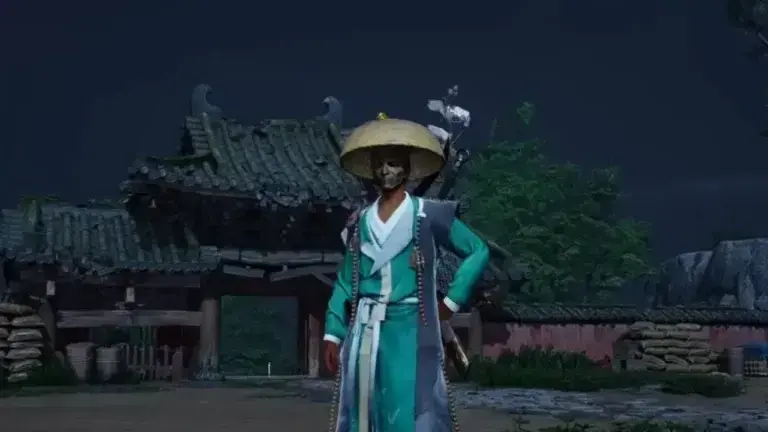
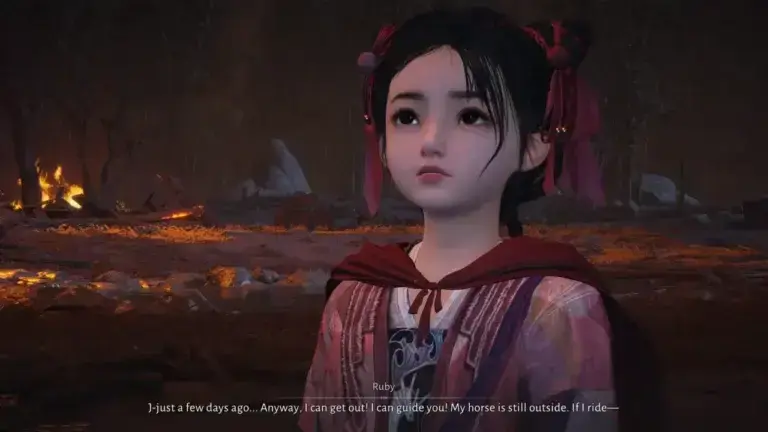
Where Winds Meet is a wuxia open-world action RPG developed by Everstone Studio and published by NetEase Games, set during China's Five Dynasties and Ten Kingdoms period, where you play a wanderer surviving in that fractured world. The backdrop is a dynasty on the verge of collapse, and as a swordsman raised amid war and conflict, you're pushed toward real choices about justice, loyalty to empire, and the old code of chivalry.
It launched in China back in late 2024 and built a massive following there before releasing globally. By the time of worldwide release, it had already secured more than 40 million players in China, making it one of the country's biggest recent hits. The global rollout launched on PS5 and Windows on November 14, 2025, followed by Android and iOS on December 12, 2025, with Xbox Series X/S joining later on June 7, 2026.
World and Setting
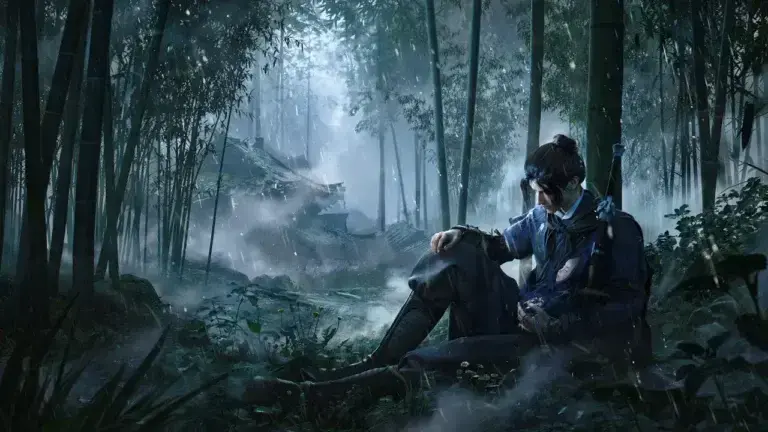
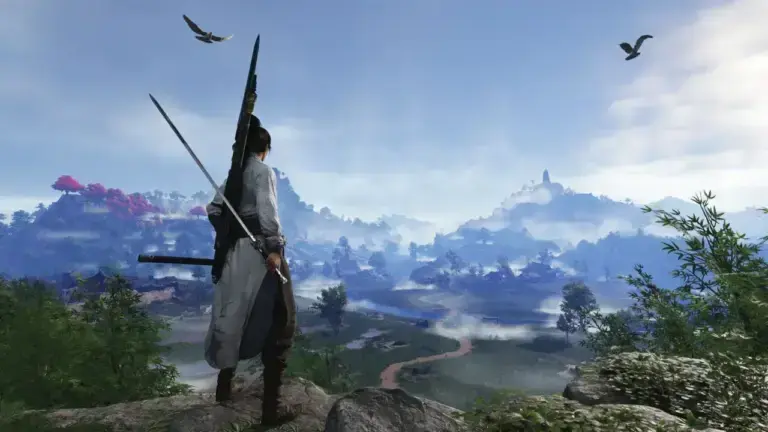
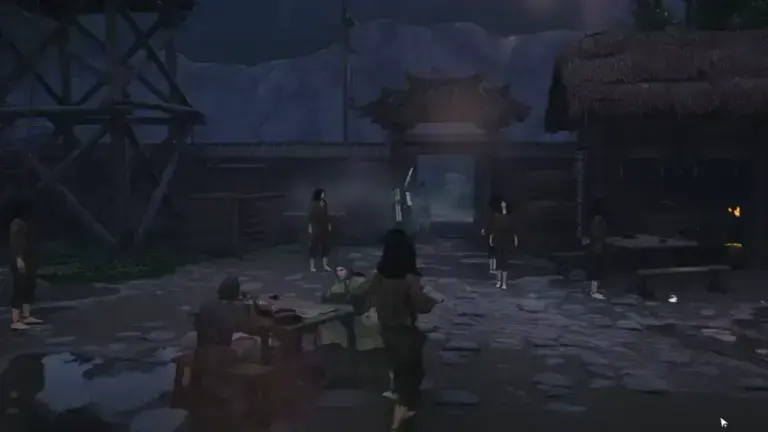
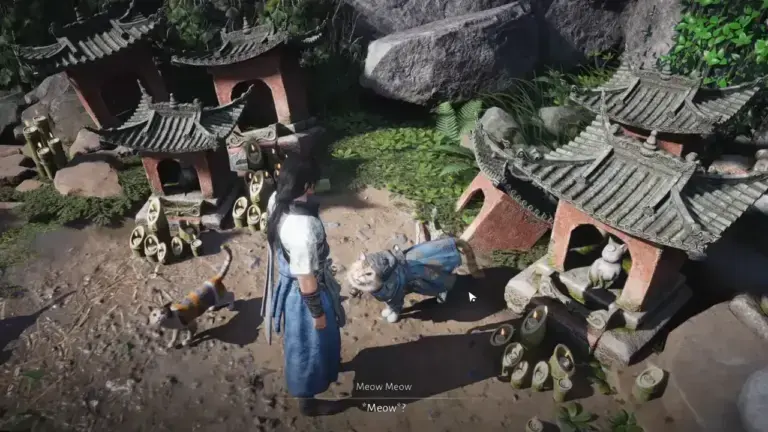
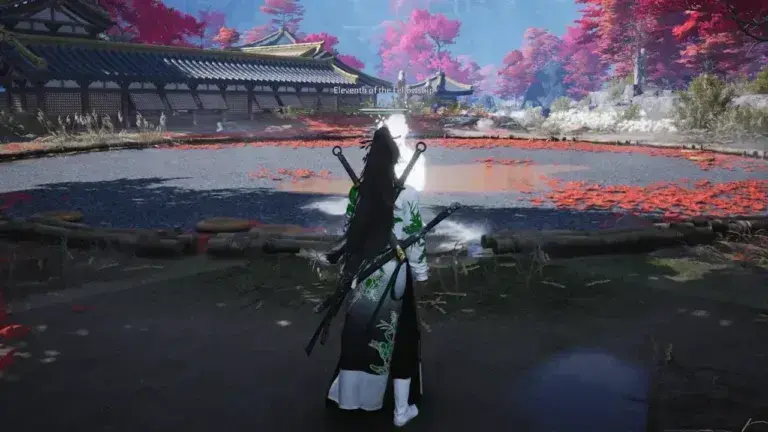
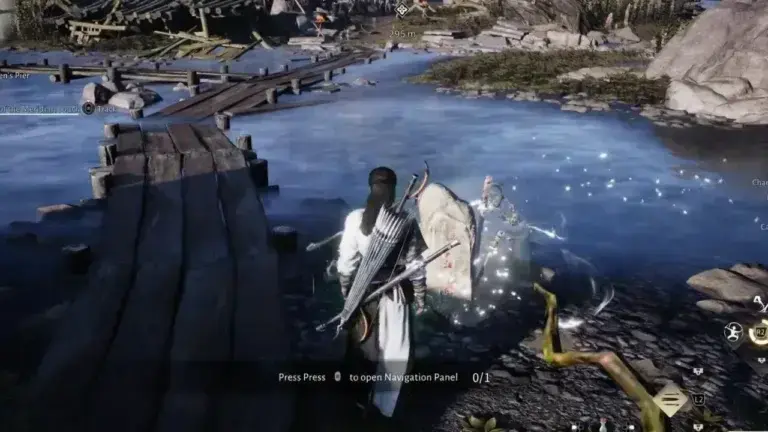
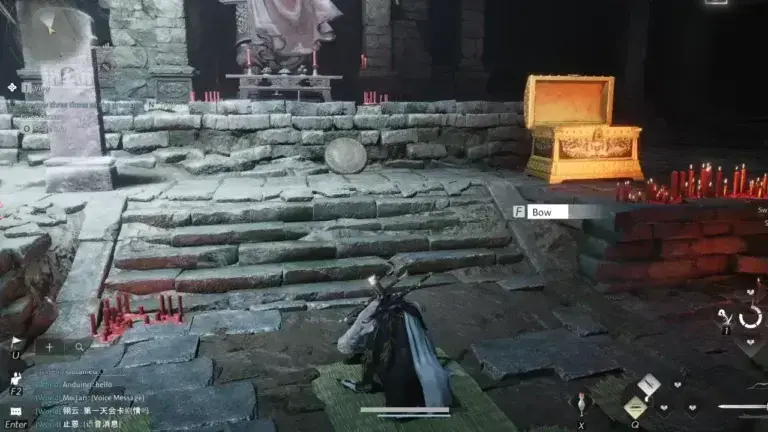
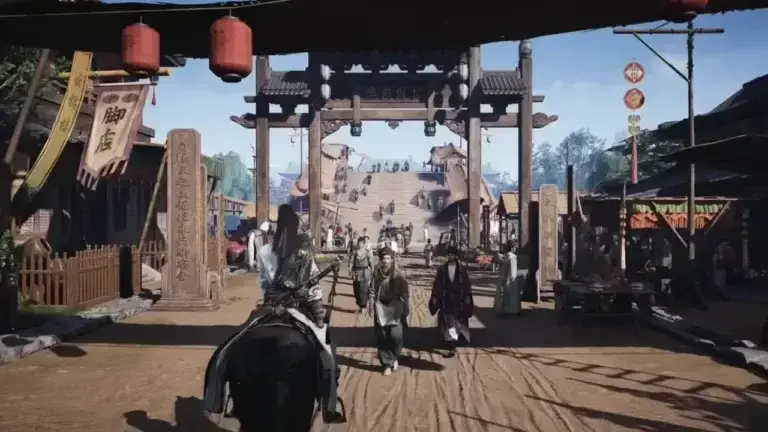
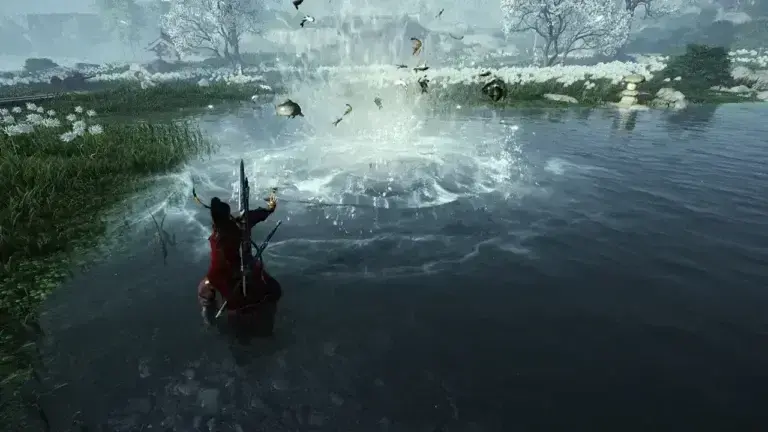
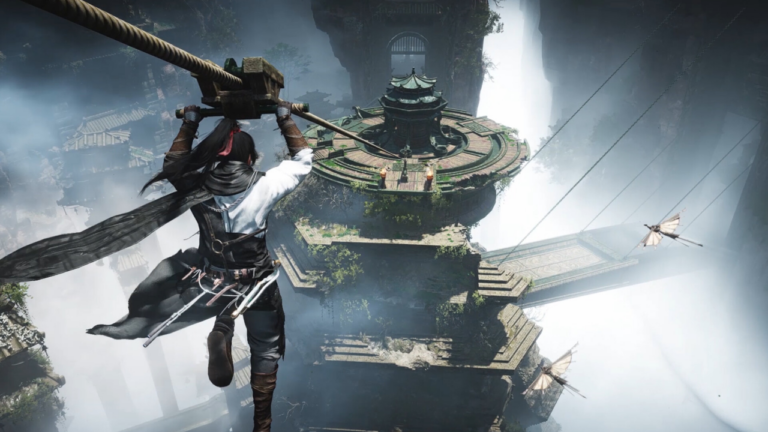
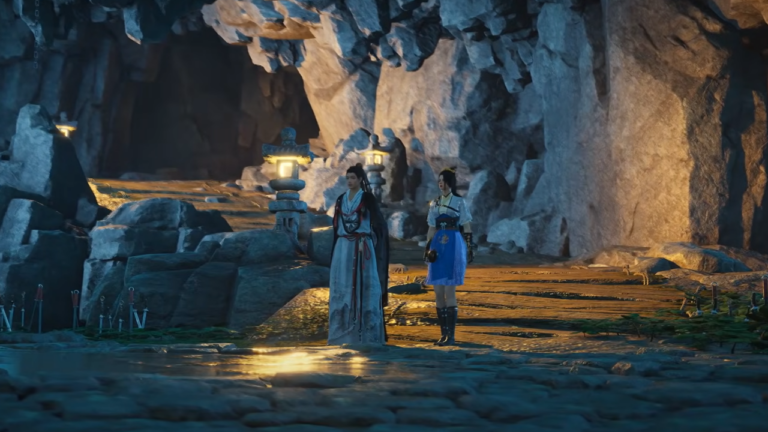
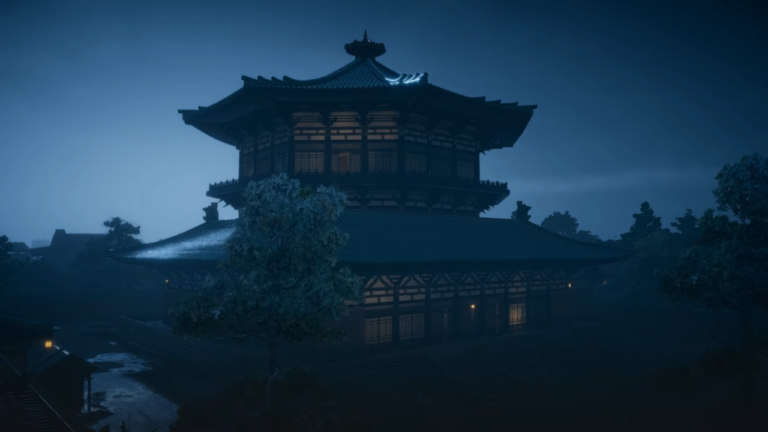
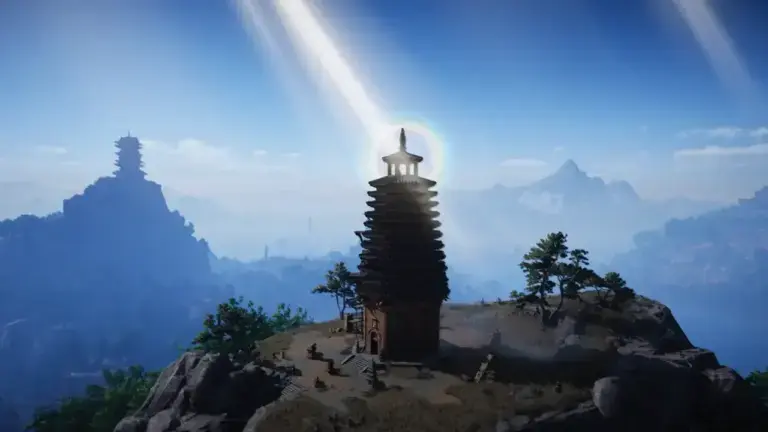
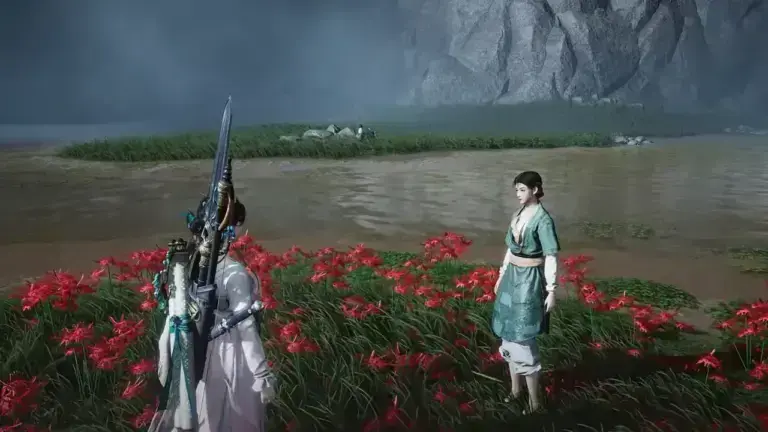
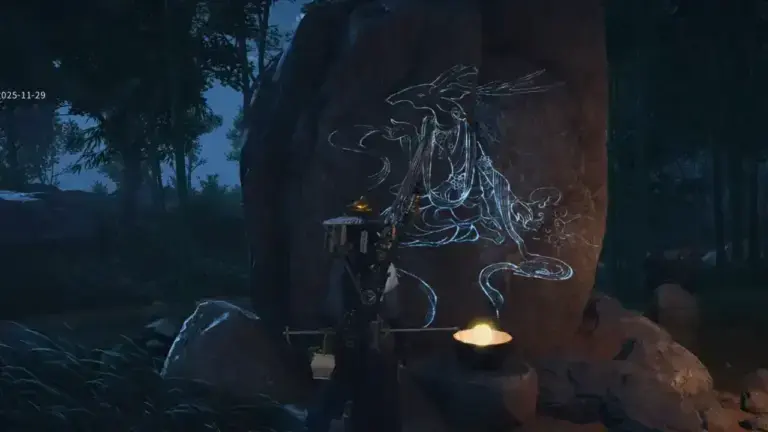
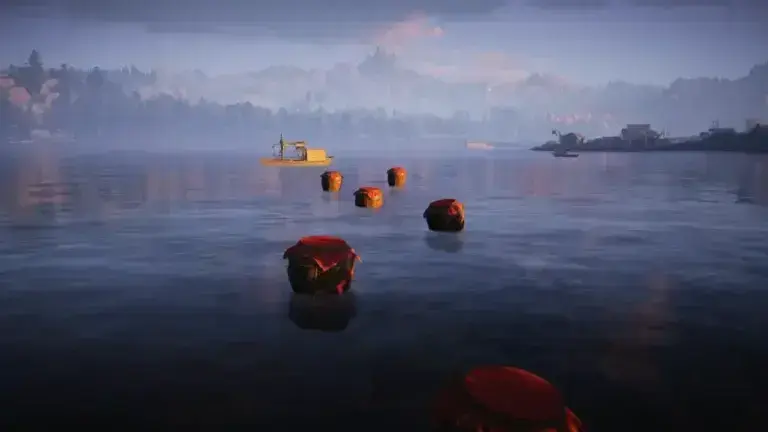
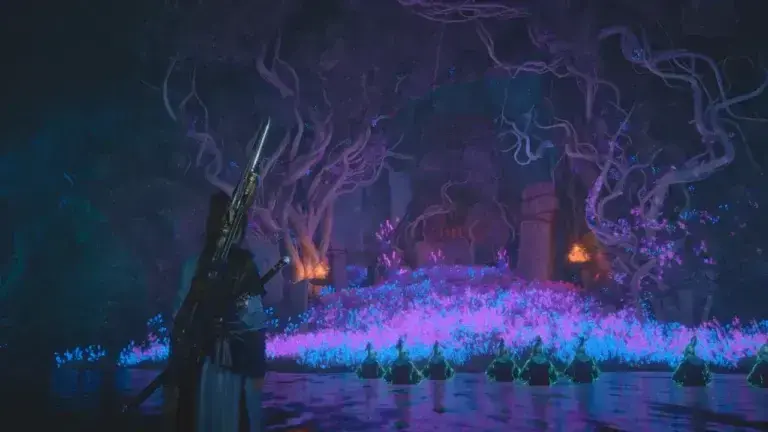
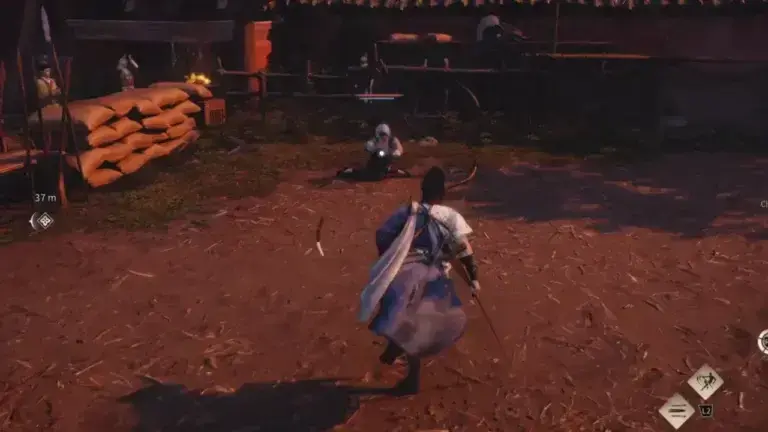
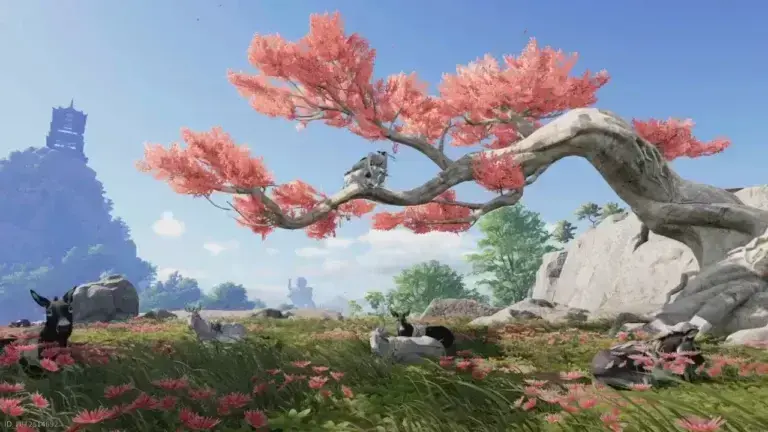
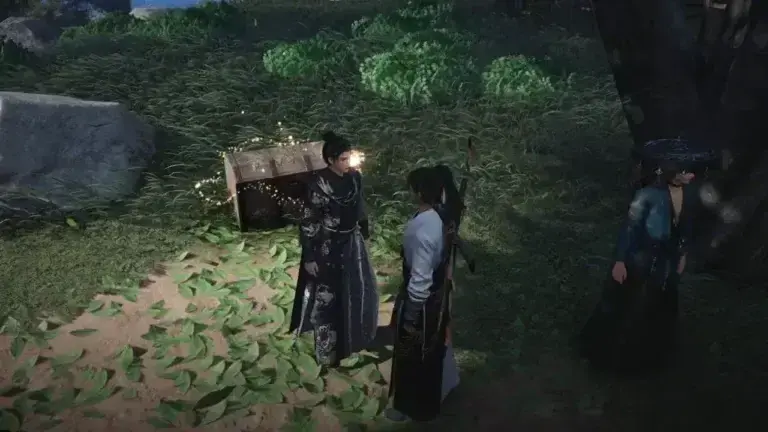
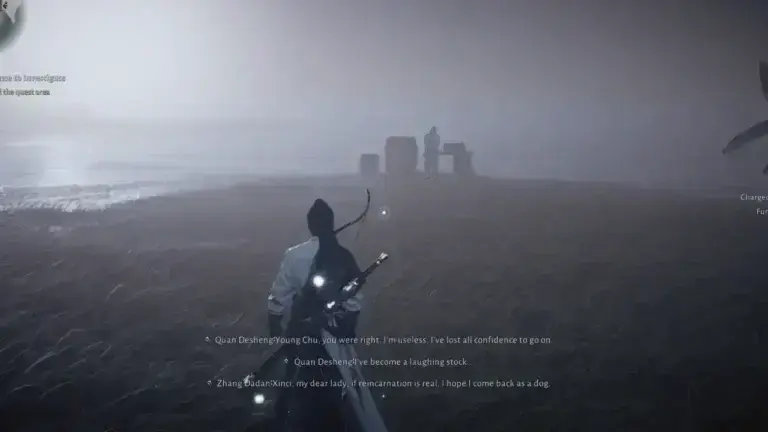
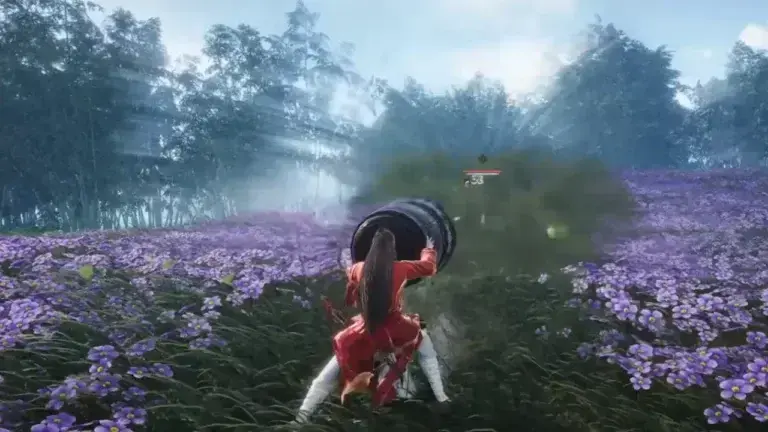
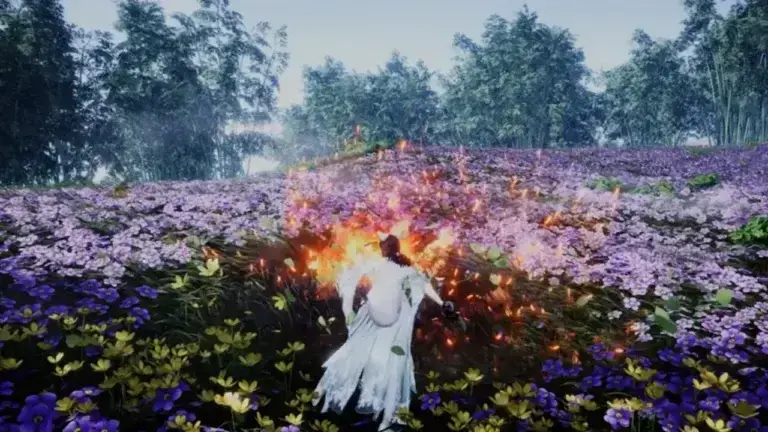
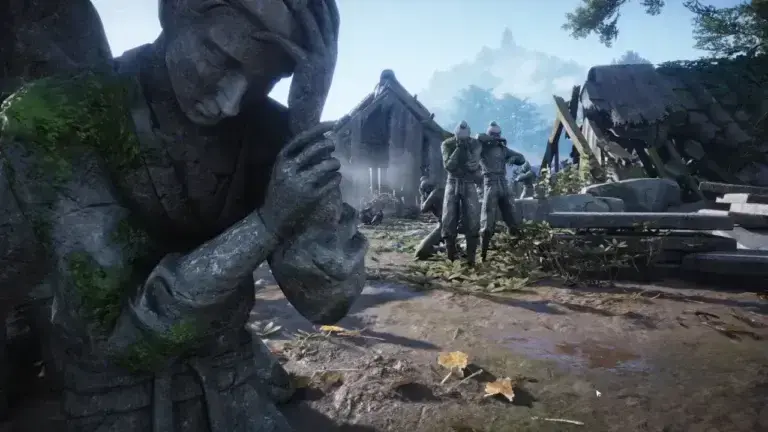
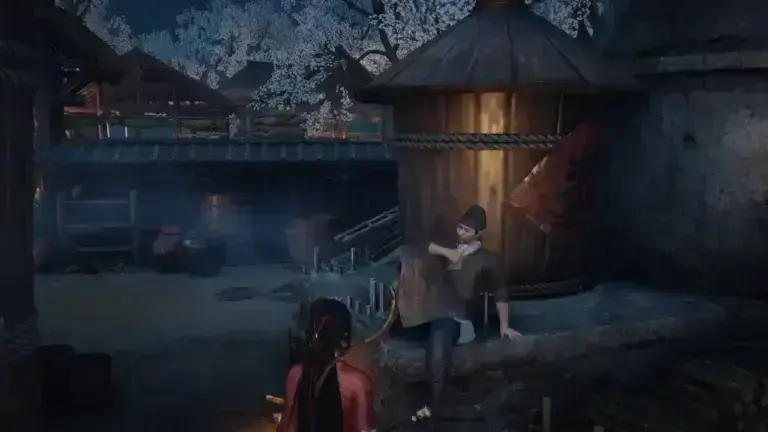
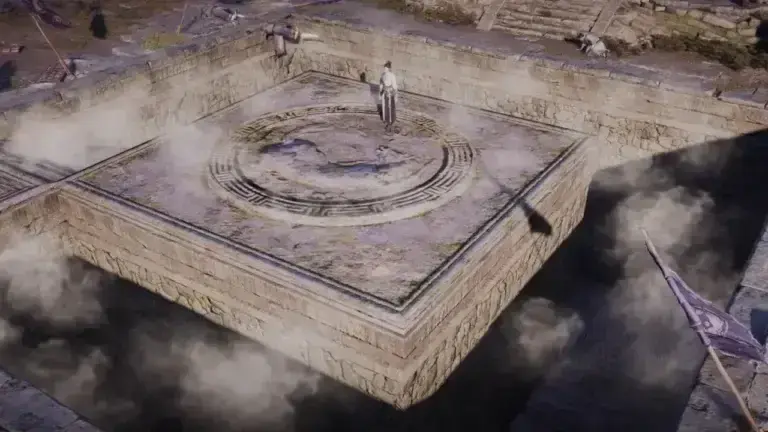
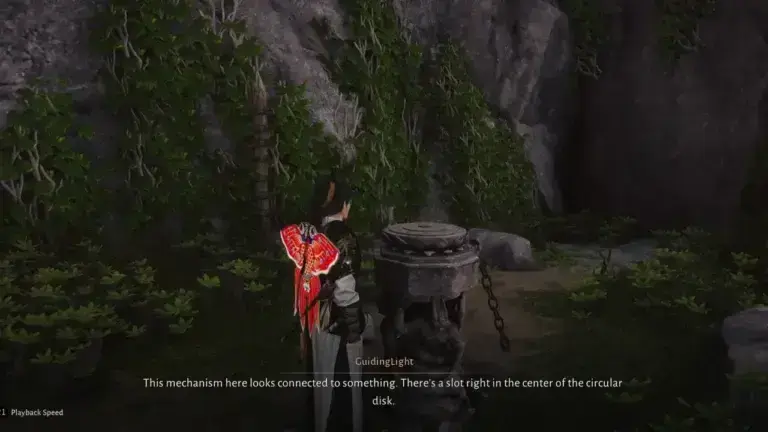
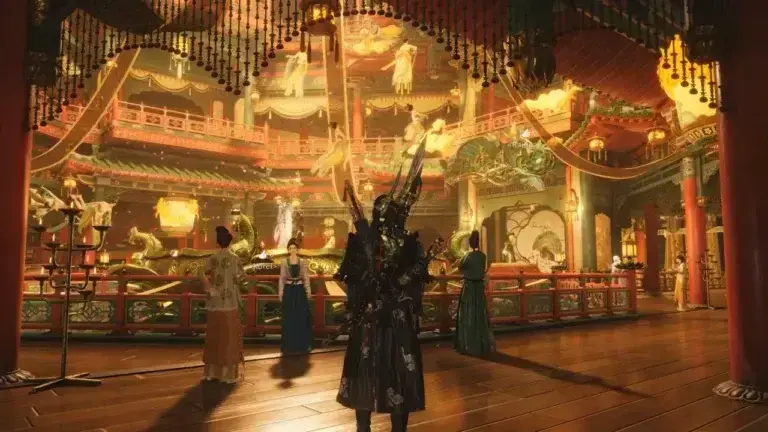
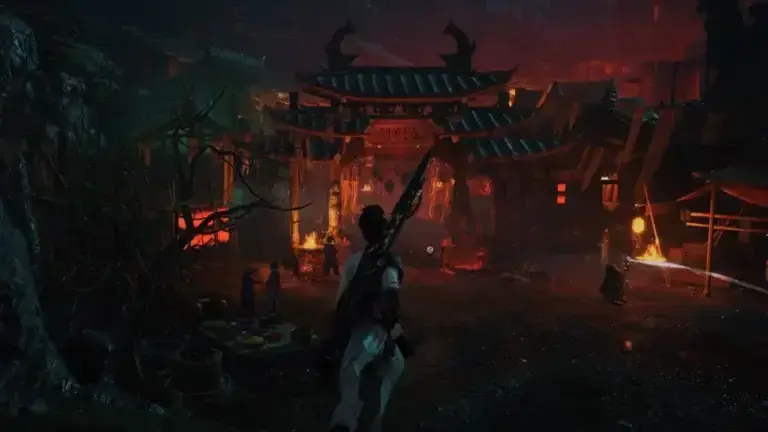
The open world spans more than 20 regions — imperial cities, bamboo forests, snowy mountain passes, abandoned temples — rendered with dynamic weather and a day-night cycle. You roam wide landscapes, dig into hidden ruins, and go down into underground catacombs. It's not a static backdrop — the world reacts to time of day and weather in ways that affect how areas feel to explore.
Combat and Martial Arts
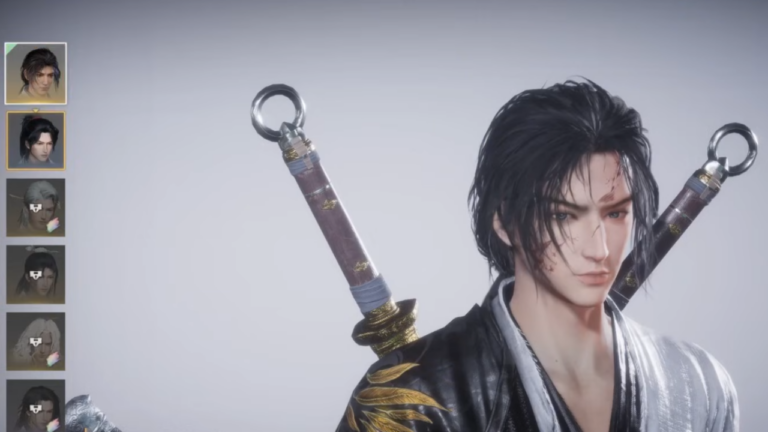
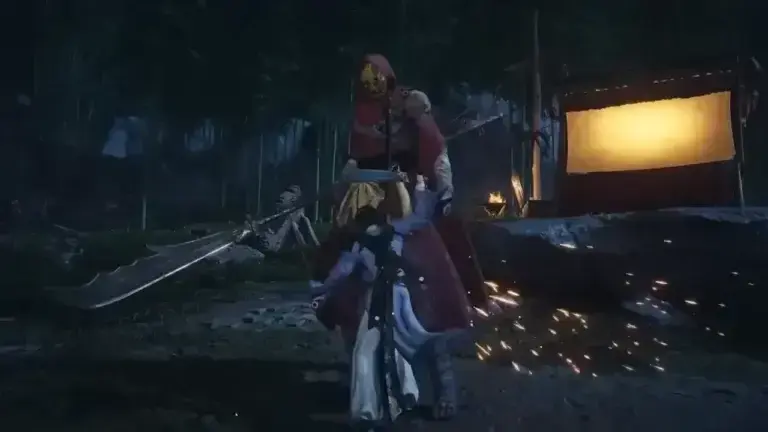
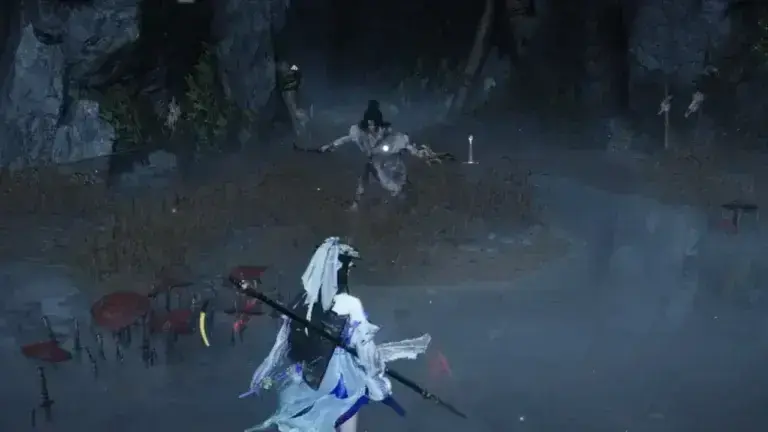
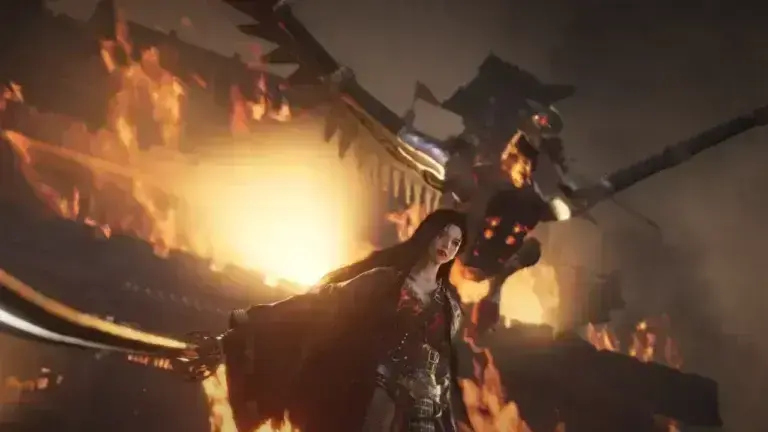
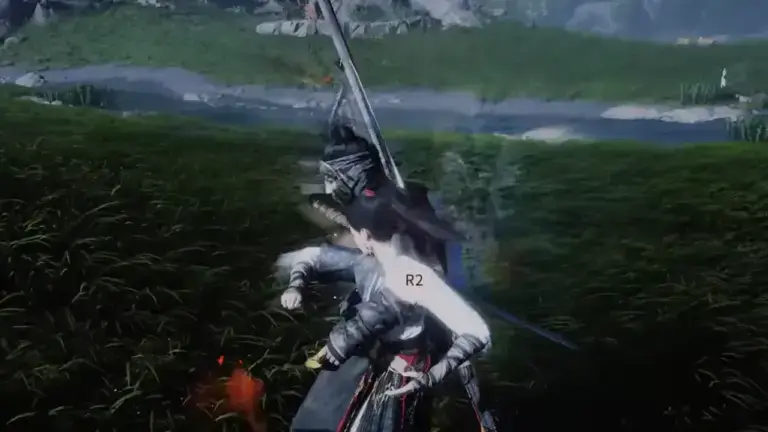
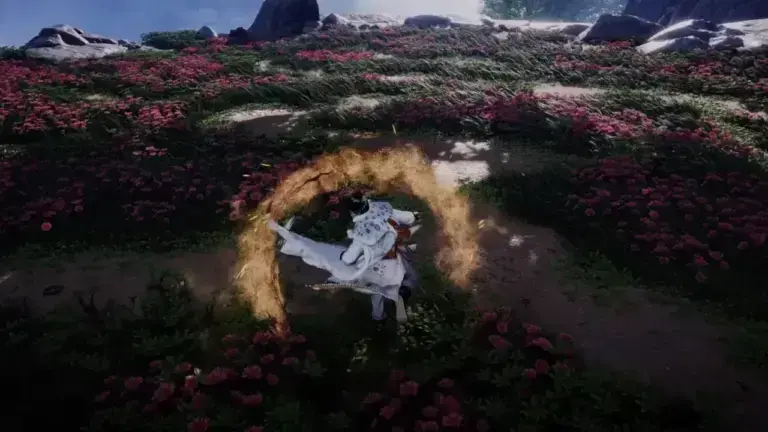
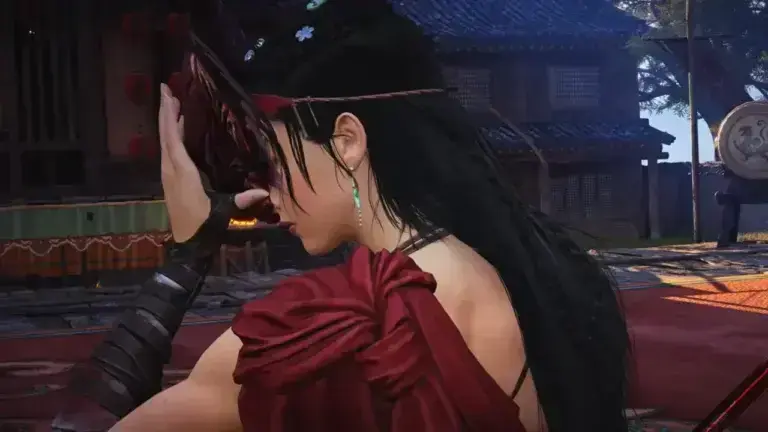
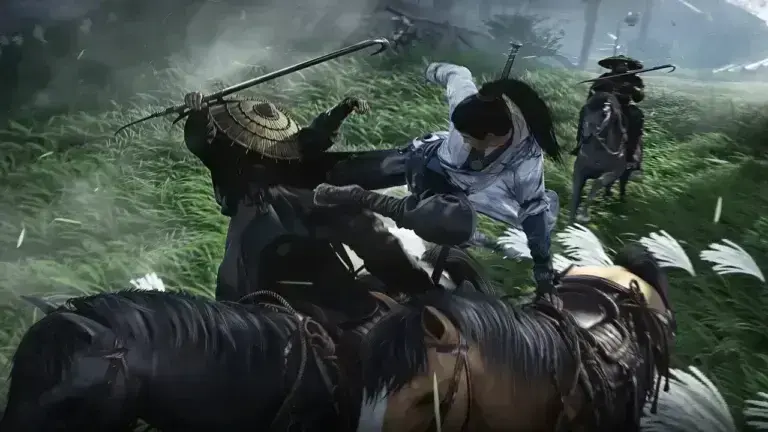
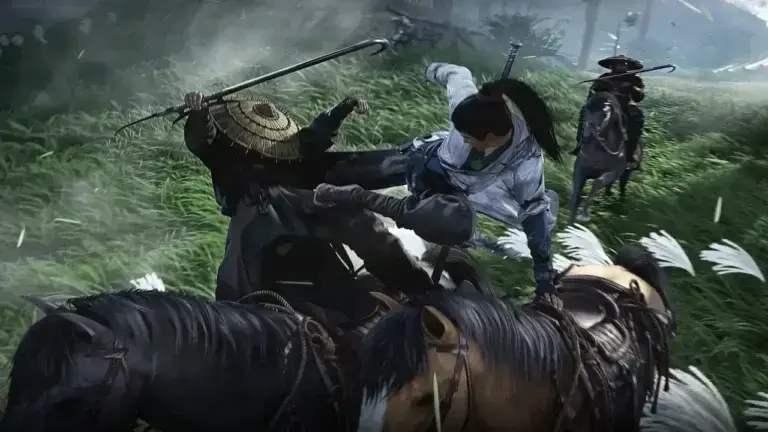
This is where the game separates itself from generic open-world fare. You can steal techniques directly from martial sects, wield a full arsenal of classic wuxia weapons, and master over 30 mystic arts, everything from the flowing balance of Tai Chi to the raw force of Lion's Roar. Weapon variety runs deep, including spears, swords, dual blades, glaives, umbrellas, fans, and more, paired with over 40 Martial Mystic Arts and 12 Martial Arts sets, plus randomized stats and passives on high-end gear in a style that owes something to Diablo-esque loot design. Builds aren't locked to a class you pick at character creation.
Roleplay and Identity
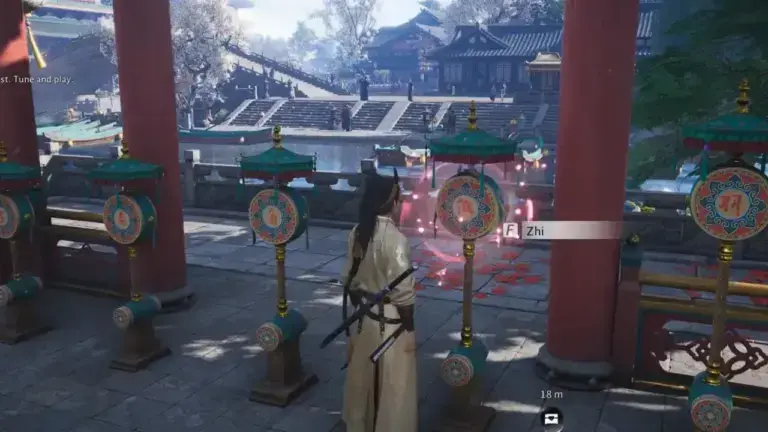
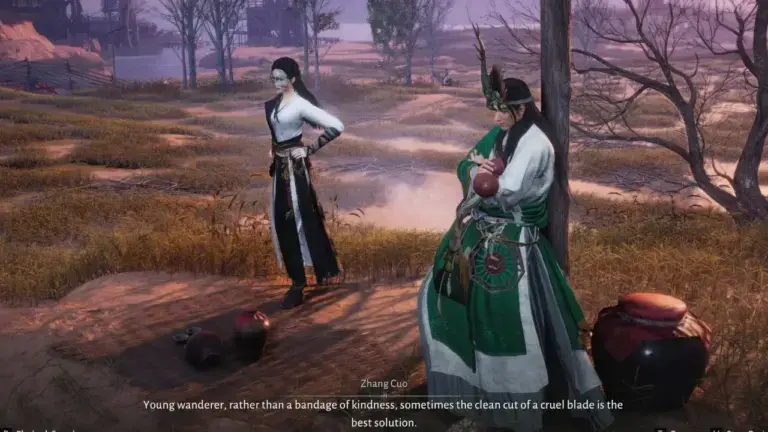
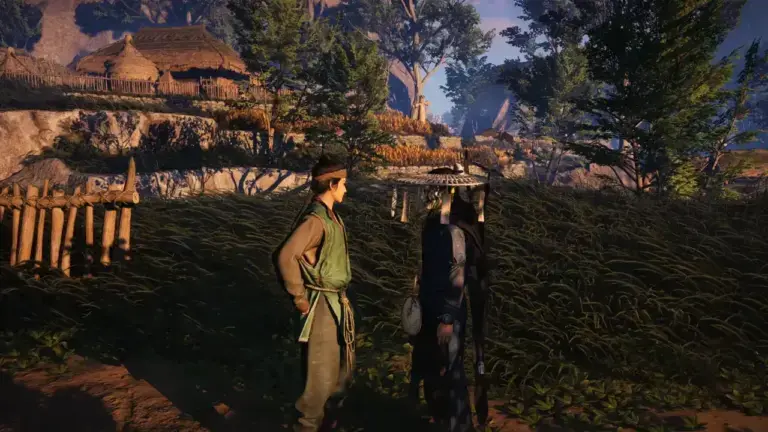
You can walk a nobler path where you befriend villagers, forge alliances, and build a reputation as a hero or tip toward becoming the spark that ignites chaos instead. Playstyle options go beyond combat too: strike from the shadows as an assassin, act as a wandering healer, or bring peace through something as simple as playing a flute.
Beyond Combat
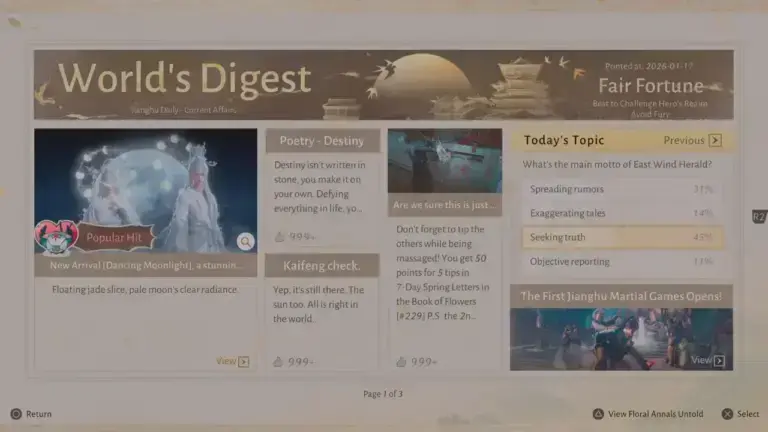
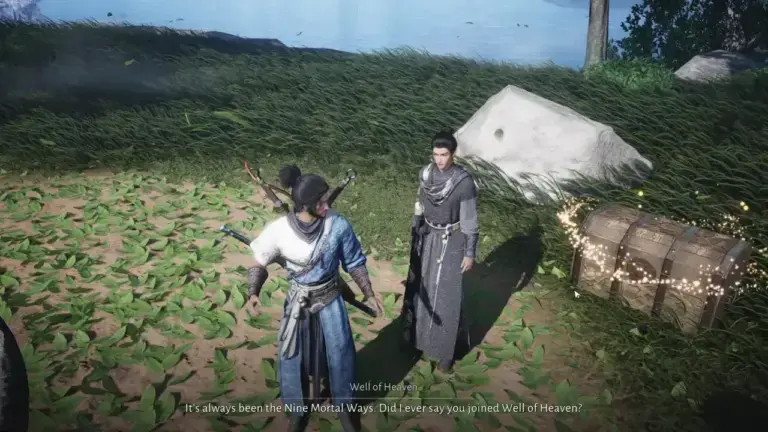
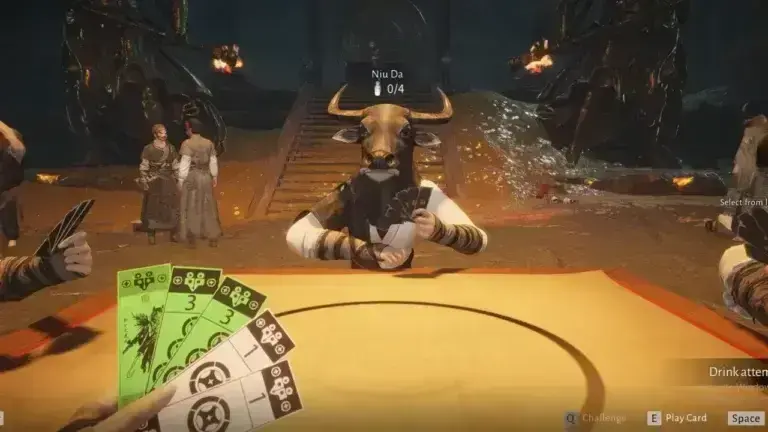
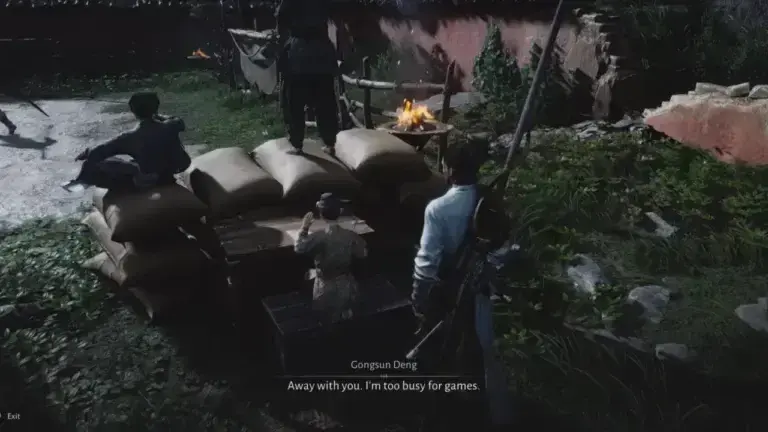
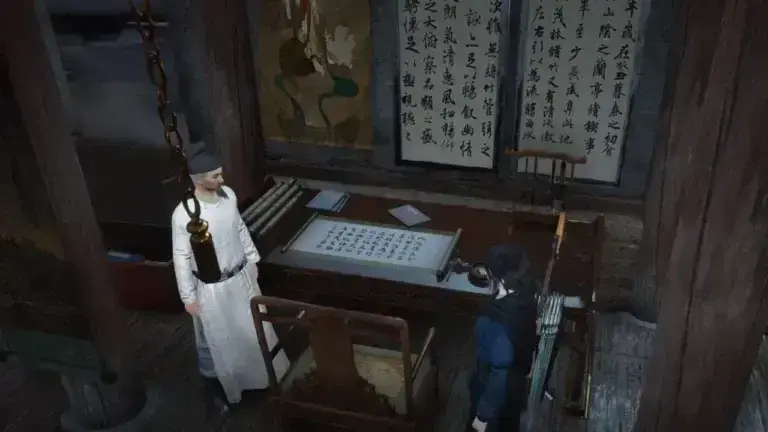
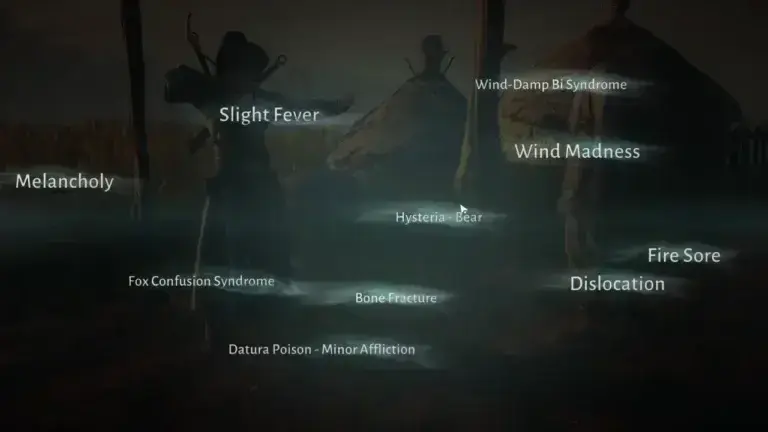
The game leans hard into simulating a lived-in society rather than just a combat sandbox. Sixteen systems — crafting, architecture, astronomy, folk games and performance, medicine and healing among them — are introduced to build an interesting ancient society. Progression also involves Sects, which function like guilds you can join after clearing the first act, each nudging your build in a different direction alongside your weapon and skill choices.
Story
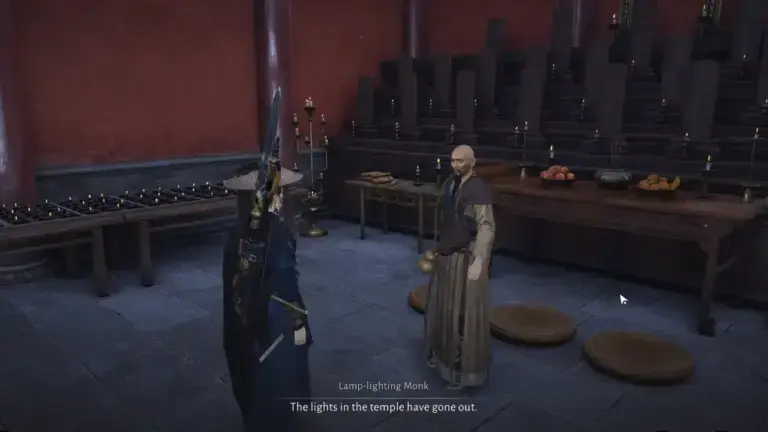
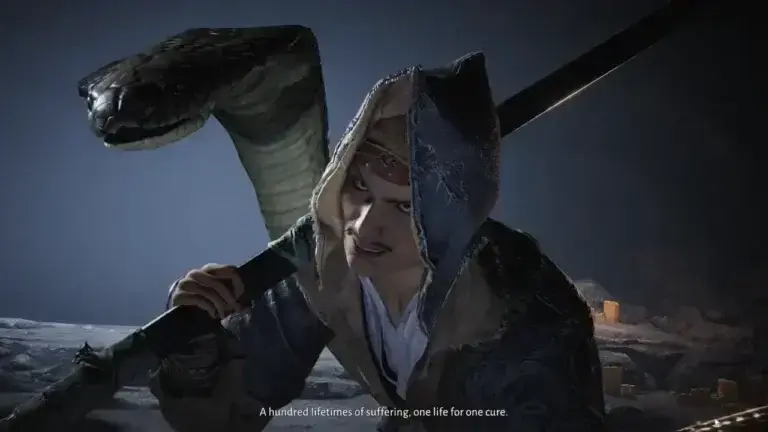
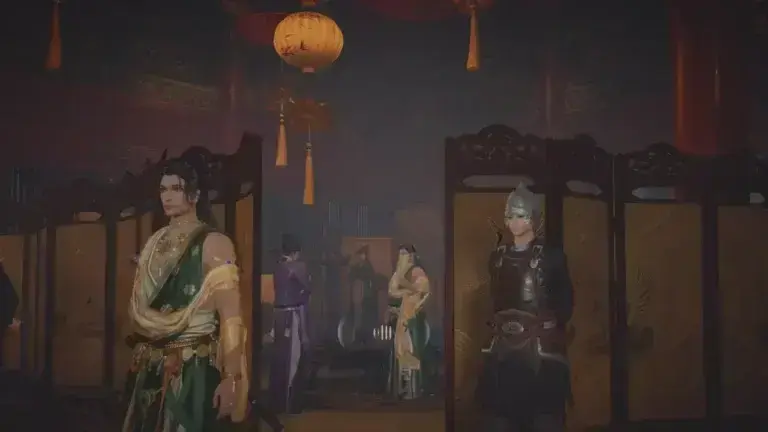
The game launched with its first two main chapters, and by most accounts the opening chapter (more of a prologue) is harder than what follows, thanks to strong characters and pacing; the story then continues across additional regions like Kaifeng, with more delivered as post-launch content. Reviewers have generally called it an ambitious, impressive project, praising the world, combat depth, and character customization, alongside new approaches to how NPCs interact with you, while noting it asks for a real time investment in return.