

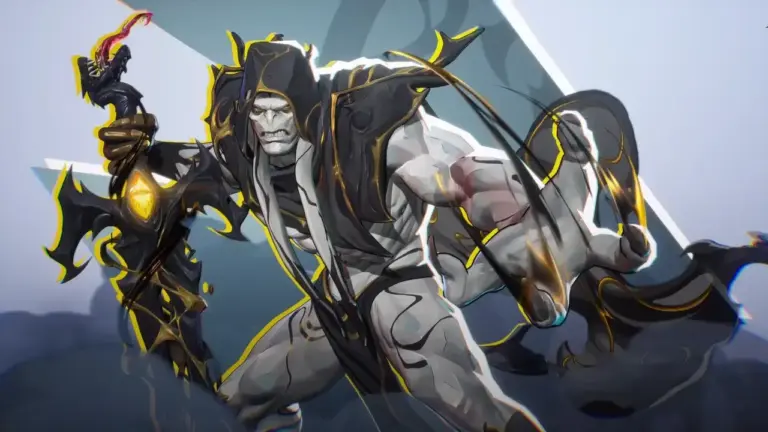
Marvel Rivals Gorr Guide: Abilities, Teams and How to Play
Gorr the God Butcher joins the Marvel Rivals roster in Season 10, but he rejects the standard mold of a melee damage dealer. He is a Duelist who forces chaotic engagements rather…

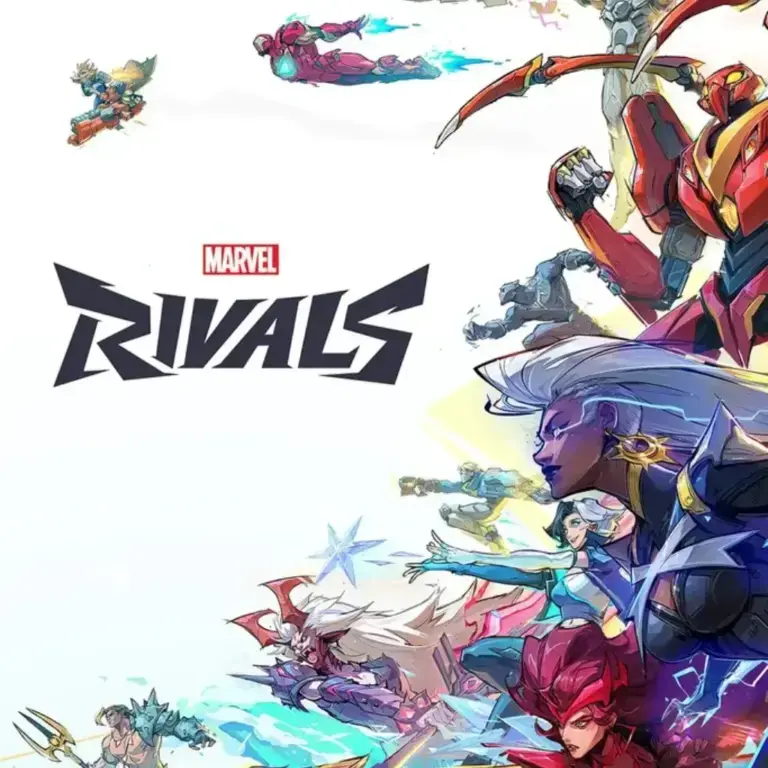
Marvel Rivals is a Super Hero Team-Based PVP Shooter! You pick a squad of Marvel characters, coordinate attacks with other players to trigger special Team-Up abilities, and fight on battlefields that break apart during the match. The settings change as you play, reflecting different corners of the Marvel multiverse. Get expert at fast-paced 6v6 combat, reshape the battlefield to get the advantage, and fight alongside—or against—fan-favorite Super Heroes and Super Villains. It is a fast-paced game built on shifting ground.
Marvel Rivals feels like the kind of game that was designed around one simple question: “What happens when you throw a ridiculous number of Marvel superpowers into the same fight?” The answer is fast, chaotic multiplayer that can be incredibly satisfying when a team works together.
I play it as a 6v6 third-person hero shooter, but the shooting is only part of the appeal. Every character changes the way a match plays. Spider-Man can dive onto an isolated target and get back out before the team can react. Doctor Strange can create portals that completely change an engagement. Groot can manipulate the battlefield and create barriers that split fights apart. Characters not only bring different weapons but completely different ways of controlling space, starting fights, protecting teammates, escaping danger, or ending the lives of weakened enemies.
That is what makes team composition so important. I can have a great mechanical game on one hero and still lose because the overall lineup makes no sense. On the other hand, a team that understands what its characters are supposed to do can feel almost unfair. Marvel Rivals rewards players who pay attention to the whole fight. Knowing when to push, when to retreat, which enemy to focus, and which ability to save for the next few seconds often matters more than having the fastest aim.
The Team-Up system is a big part of that identity. Certain heroes can combine their abilities to create special interactions, and those combinations make the roster feel connected. When I see a lineup built around a specific combination and then watch the abilities come together in a match, that is when Marvel Rivals proves a proper Marvel game.
The maps matter. They are not just static arenas with different wallpaper. You can destroy or alter large parts of the environment, which means a fight changes while you are in it. A position that felt safe seconds ago might suddenly be exposed. A route that was blocked becomes accessible and cover disappears. It gives fights a sense of movement that I really appreciate because I cannot always assume the battlefield will stay exactly the way I found it.
Then there is the edge: Marvel characters. The game builds everything around familiar heroes, villains, and powers because it wants that identity to anchor every single match. The best moments are not about the highest kill count but the absurd, singular events that only happen in this universe. You see a coordinated attack from several heroes or a perfectly timed ability combo. Sometimes the whole team just clicks and moves like one unit. That is the point.
That said, Marvel Rivals is not a game I would recommend to someone looking for a traditional Marvel single-player adventure. There is no campaign and no fixed story to complete over a weekend. This is a live multiplayer game built around repeated matches, seasonal updates, new heroes, new content, balance changes, and learning the roster over time. I have to enjoy the process of getting better because there is no final boss that tells me I have finished the game.
The free-to-play model also fits that structure. I can access the gameplay without buying individual heroes, which is important because locking core characters behind a paywall would undermine the whole team-building idea. The money is primarily in optional cosmetics, so the competitive part of the game is available without requiring me to build a collection of paid characters.
What keeps me coming back is the variety between matches. One game can be controlled and methodical, with both teams carefully fighting over an objective. The next can completely explode because multiple ultimates go off at once. Then I can switch to a different hero and discover that the same map plays completely differently.
The downside is that the same team-based design that makes a great match fantastic can make a bad match miserable. If everyone ignores the objective, refuses to adapt, or treats the game like six separate one-on-one fights, the experience falls apart in no time. Marvel Rivals is at its best when players understand that individual skill is only one part of winning.
I also think the game benefits from not taking itself too seriously. The Marvel universe is full of personalities and ridiculous power levels, and Marvel Rivals embraces that spectacle. It wants matches to be dramatic. Abilities are loud, movement is fast, environments can break apart, and the screen can become very chaotic during a big team fight. When everything comes together, there's a genuine sense of superhero power that many licensed multiplayer games never quite manage to capture.
The result is a game that I would describe less as a campaign driven Marvel title and more as a long term multiplayer hobby built around Marvel's biggest characters. I can enter for a few matches, learn a new hero, play with friends, chase ranked progress, return for a new season, or spend a ridiculous amount of time mastering one character.
For me, that is the real appeal of Marvel Rivals: it gives Marvel fans something to play nonstop!
Gorr the God Butcher joins the Marvel Rivals roster in Season 10, but he rejects the standard mold of a melee damage dealer. He is a Duelist who forces chaotic engagements rather…
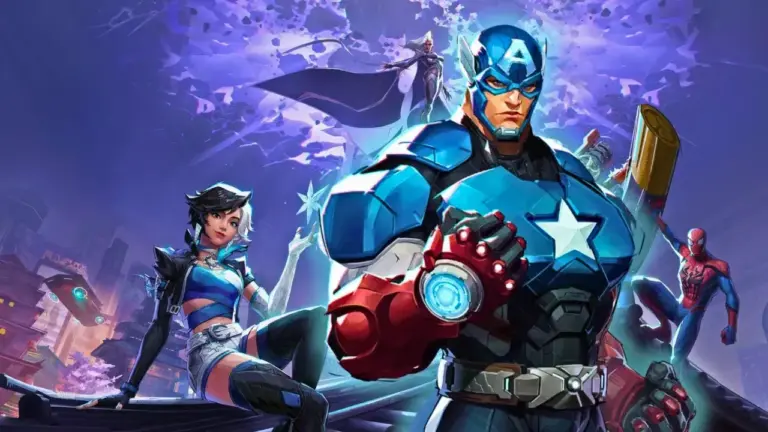
While recently grinding ranked in Marvel Rivals, you might have noticed something off. Some players don't only play badly, but they throw on purpose, and apparently get paid to do it. The…
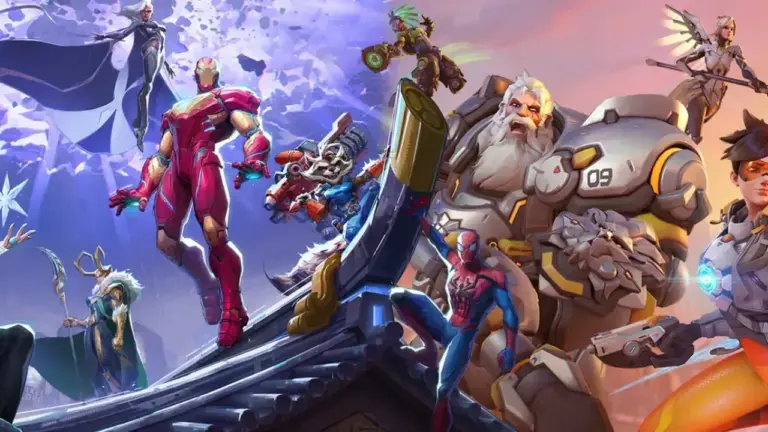
In any hero shooter, your success usually depends on the current patch. Marvel Rivals is no different—some heroes are currently overtuned powerhouses, while others are struggling to find their footing. Developers regularly…
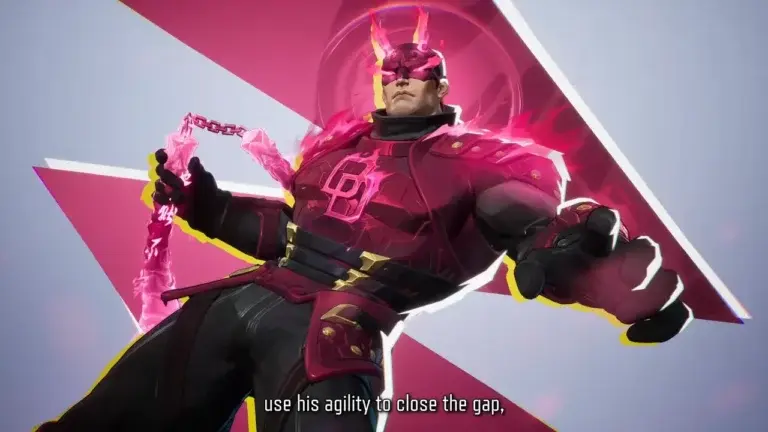
Daredevil is arriving in Marvel Rivals, and he’s not coming alone. Season 4.5 brings the Man Without Fear as a new playable hero, a round of Team-Up reworks, and a tease for…
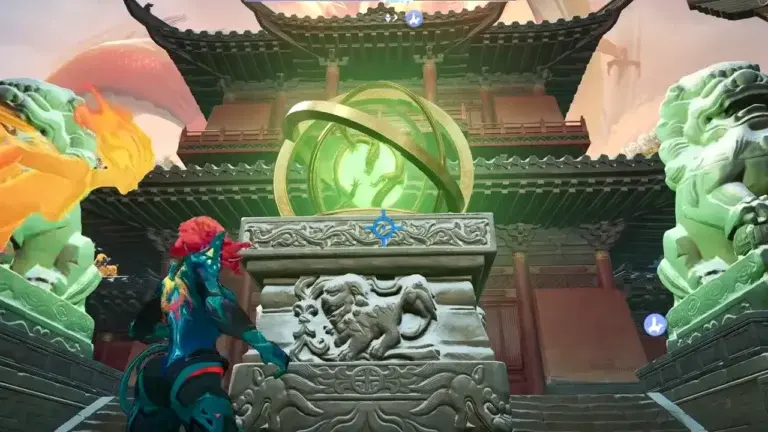
Marvel Rivals Season 4 brings the new K’un-Lun: Heart of Heaven map, and with it came a few achievements including Blueprints Supreme, which asks you to use an emote in front of…
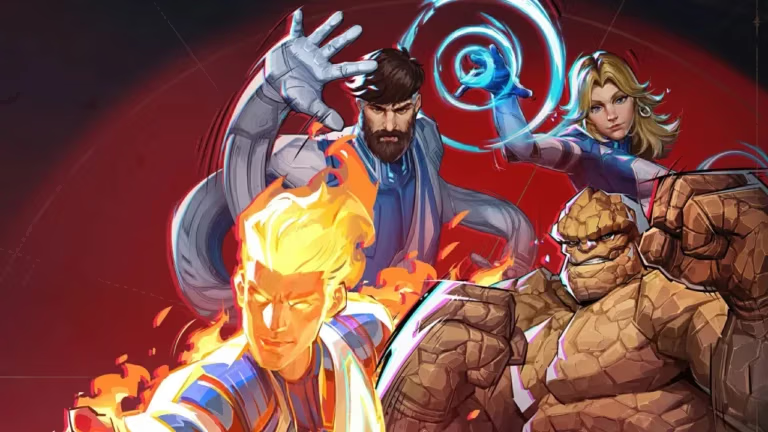
Marvel Rivals Version Mismatch error appears when your game client and the servers aren’t synced. Usually, it happens right after a patch or update goes live, but you haven’t downloaded it yet,…
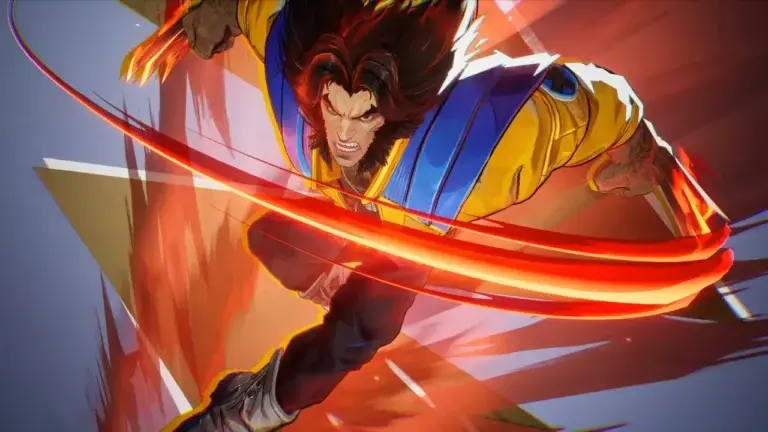
With the arrival of Marvel Rivals Season 3: The Abyss Awakens, Wolverine has clawed his way back into the spotlight, and this time, he’s a full-blown nightmare for Vanguard mains. The Season…
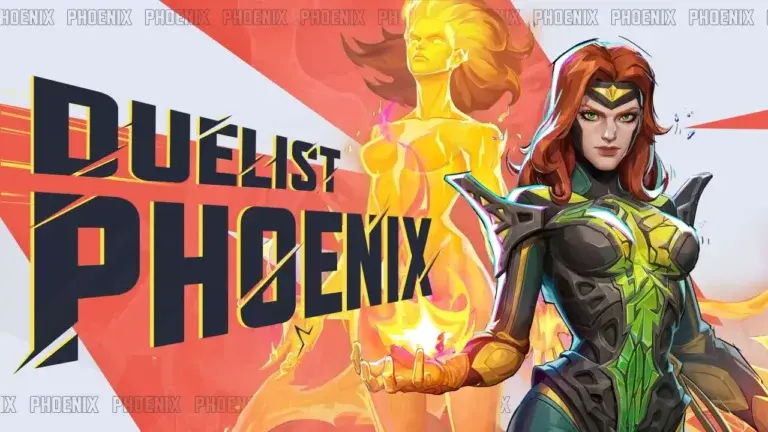
If you’re familiar with the X-Men, then the arrival of Phoenix (Jean Grey) in Marvel Rivals had you bracing for impact and rightly so. More than another DPS hero added to the…
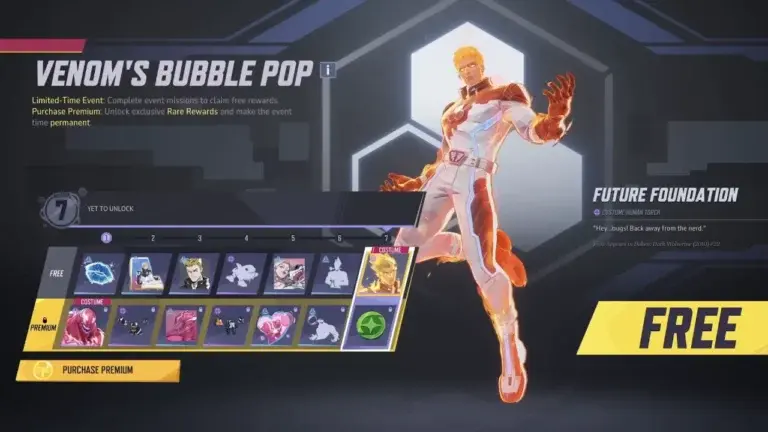
Although beating enemies with Iron Man or freezing foes as Storm in Marvel Rivals is fun on its own, nothing beats flexing on the battlefield with a fresh skin, especially when that…
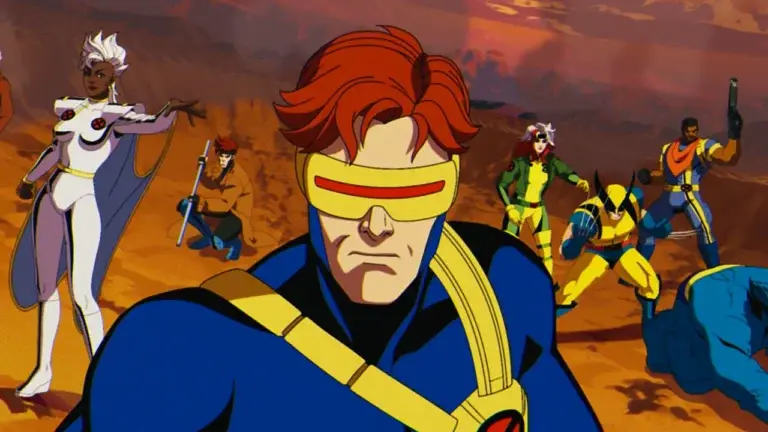
Marvel Rivals is doing what most live-service games only dream of: holding players’ attention past Season 1. Sure, Ultron didn’t exactly inspire awe, more like a collective shrug, but the overall momentum…
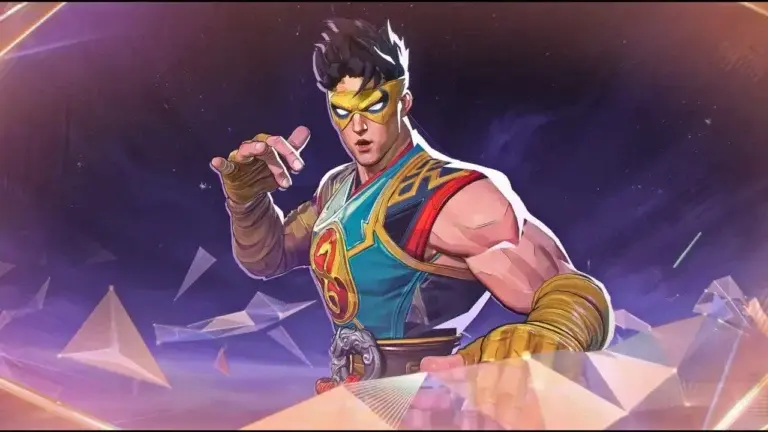
You ever play a game and wonder if the developers are watching your every misfortune with a notepad and popcorn? NetEase finally dropped the snacks and got to work, because Marvel Rivals…
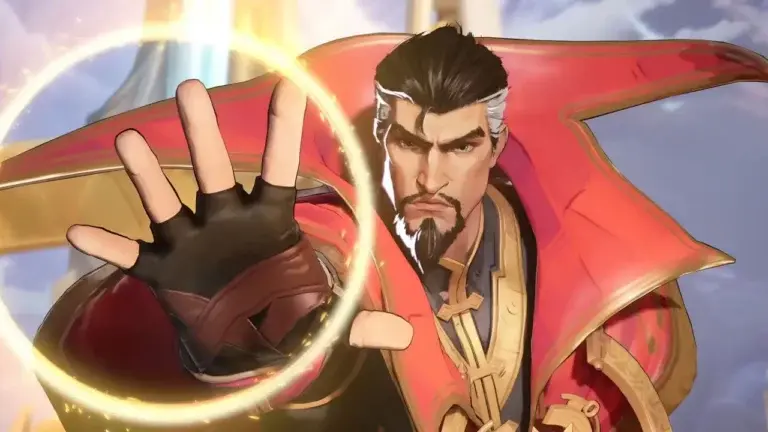
What just happened with Marvel Rivals' Doctor Strange skin might be the best example of developer responses I've seen in years. This whole situation perfectly illustrates why NetEase is running circles around…
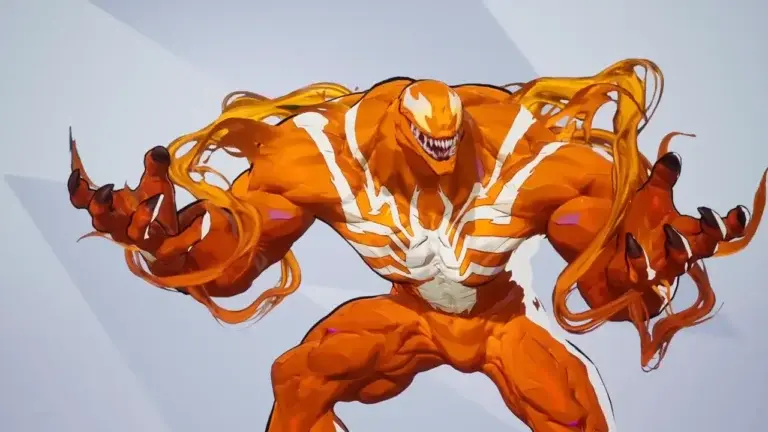
Costume Coins in Marvel Rivals is a new currency introduced in Season 2, which allows you to unlock/buy some of the game’s fine legacy outfits without needing to spend a fortune or…
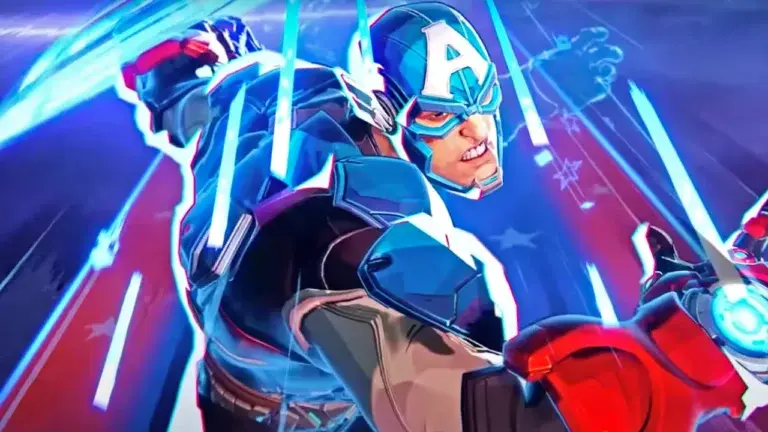
Marvel Rivals is full of fast-paced action, flashy powers, and, if I say so, some rather confusing in-game terminology. One of the most recent additions that’s confused the players is a reporting…
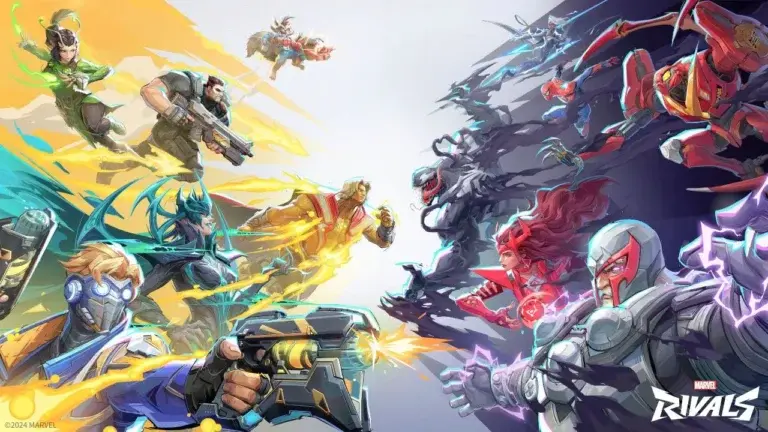
Without any doubt, smurfing has been a real headache for competitive games in the ranked matches. You drop into what should be a fair Bronze or Silver lobby, ready to improve, and…
Marvel Rivals took customization to the next level by introducing Unstable Molecules, a special currency that lets you recolor specific hero costumes. But before you start imagining your heroes decked out in…
Yes, Marvel Rivals is free to download and play. The developers state that heroes, maps and gameplay elements are free, with monetization focused on cosmetic items rather than gameplay advantages.
No, microtransactions are strictly restricted to cosmetics like skins, battle passes, and emotes, no gameplay stats or powers can be bought.
Yes, full cross-play and transferable progress are supported across PC, PS5, and Xbox Series X/S.
Multiple hero pairs trigger unique passive or active abilities when played together. For example, Thor charging up Storm's lightning or Venom lending symbiote armor to Spider-Man.
Not in the conventional sense. It's an online PvP game and does not have a traditional standalone single-player campaign.
There is no full offline mode, though you can practice against AI bots in dedicated training and custom modes.
Your character/progression can be shared through cross-progression, but rank and leaderboard data remain independent for PC, PlayStation and Xbox.
Yes, the game has Competitive play with seasonal rank progression and rank rewards.
Beyond its primary Quick Match and Competitive experiences, the game has included Arcade modes like Conquest, Free Fight, Clone Rumble and Doom Match, with the exact available selection evolving over time.
It does. Destruction is a core mechanic here. The game uses the Chaos system in Unreal Engine 5 to let players break and alter parts of the battlefield during a match.
You can switch. The game is built on team composition and lets you adjust your lineup on the fly. You aren't permanently restricted to one hero for the whole match.
It’s easy to start. You’ll pick up the shooting and ability loops quickly enough, but the ceiling is high. Getting pro at positioning, target selection, and cooldown management takes work. You have to learn team composition and every opposing hero to strongly compete. It’s a deep game.
For someone who likes Marvel characters and competitive multiplayer, I think it is one of the easiest recommendations to make because the base game is free and the gameplay content is not gated behind a purchase. The main question is whether you enjoy team-based PvP enough to live with the learning curve and live service structure.
Yes, as an online only multiplayer title, an active broadband internet connection is required to play it.