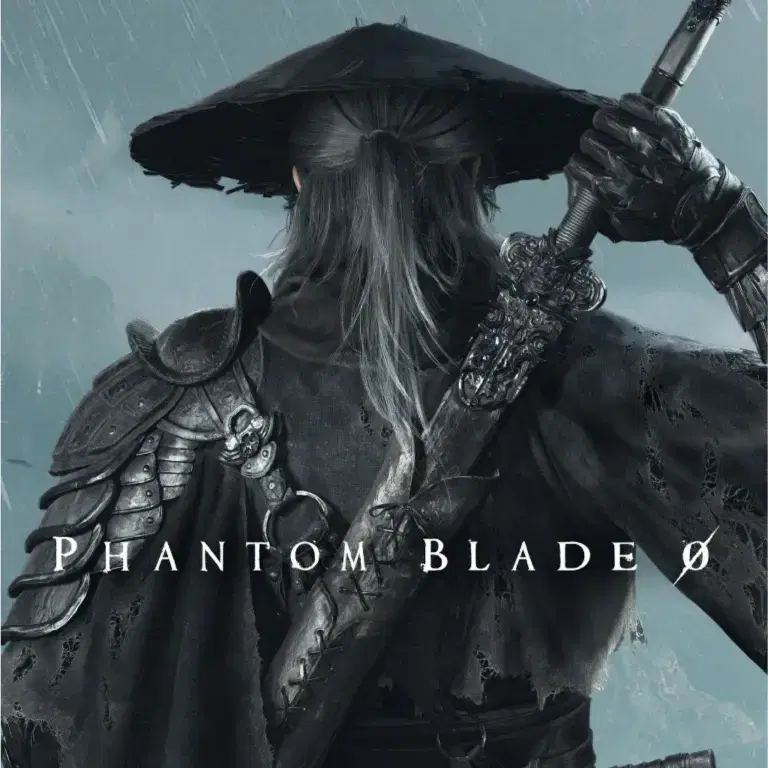
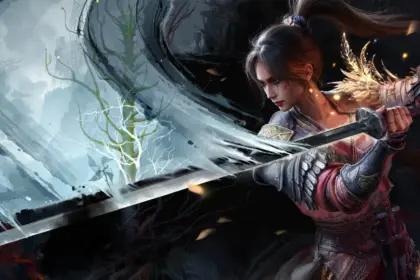
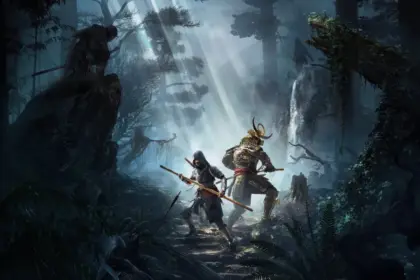
Hype is a heavy thing to carry, and Phantom Blade Zero has been hauling years of it. When the game was first revealed, I didn’t believe the trailers were real. S-GAME is a studio known for mobile games, and the pre-release footage was so blisteringly fast, cinematic, and reactive that it felt like an old-school prerendered vertical slice. We’ve been burned by that kind of showcase before. Fifteen hours into my PC playthrough, I am thrilled to admit I was dead wrong. Phantom Blade Zero is not only the real deal; it’s a whole riot of an action game that captures the fantasy of being an untouchable kung-fu demigod better than almost anything on the market. There are some rough edges, though—the narrative timeline is a chaotic mess, and terrain collision can be janky—but once the blades start clashing and sparks begin to fly, the battle engine is so snappy and rewarding that I found myself grinning like an idiot through almost every encounter.
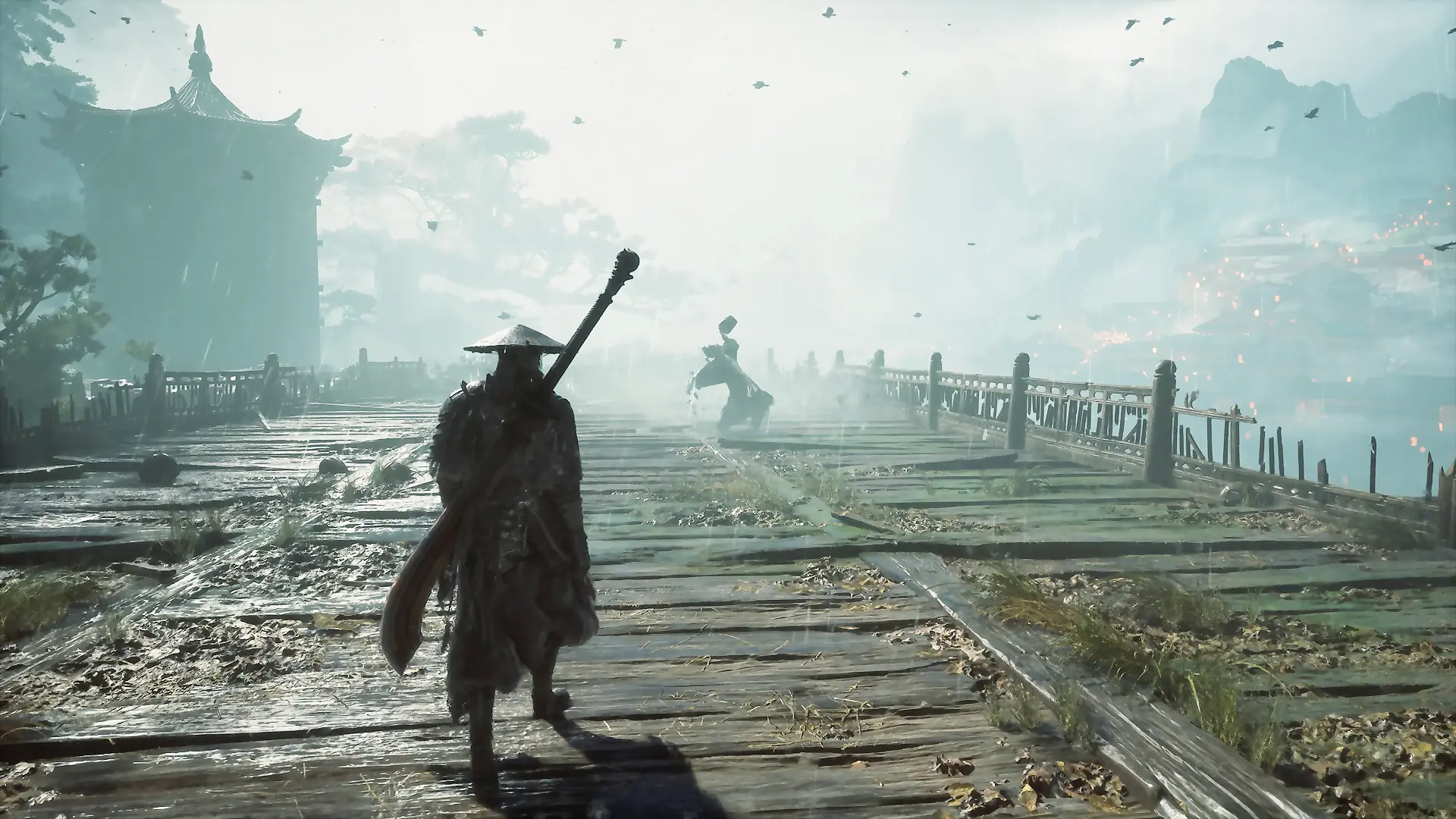
The premise kicks off with a great pulp-martial-arts setup. You play Soul, a former assassin for the Order clan who is blamed (or framed) for the death of his own master. After taking a fatal sword slash straight through the chest from his former comrade, a mysterious figure keeps him breathing by lodging a synthetic, tainted heart into his ribs. The catch? The ticker only grants him 66 days to settle his scores, uncover the real conspirators behind the Order’s downfall, and track down a permanent cure.
Instead of letting the momentum build forward, the campaign frequently pulls the handbrake to dump exposition via disjointed flashbacks. In the span of one afternoon, you’ll bounce from the present day to an event from two days ago, cut to a training sequence from two years back, and then out of nowhere enter a childhood memory from two decades ago, mostly with zero warning or character introductions. You spend a lot meeting mysterious figures with names you barely remember, while the game relies on story documents, loading screen blurbs, and text logs to plug big narrative gaps.
Thankfully, S-GAME saves face in the presentation department. Rather than sticking just to usual in-engine talking heads, pivotal story moments are told through traditional Chinese shadow puppetry (Piyingxi), ink-wash watercolor cutscenes, and slick animated shorts. Soul himself is an effortlessly cool, stoic lead whose laconic attitude makes all the mystical jargon easier to digest. The story might not be a masterpiece of storytelling, but it delivers just enough martial intrigue to point your sword toward the next villain.
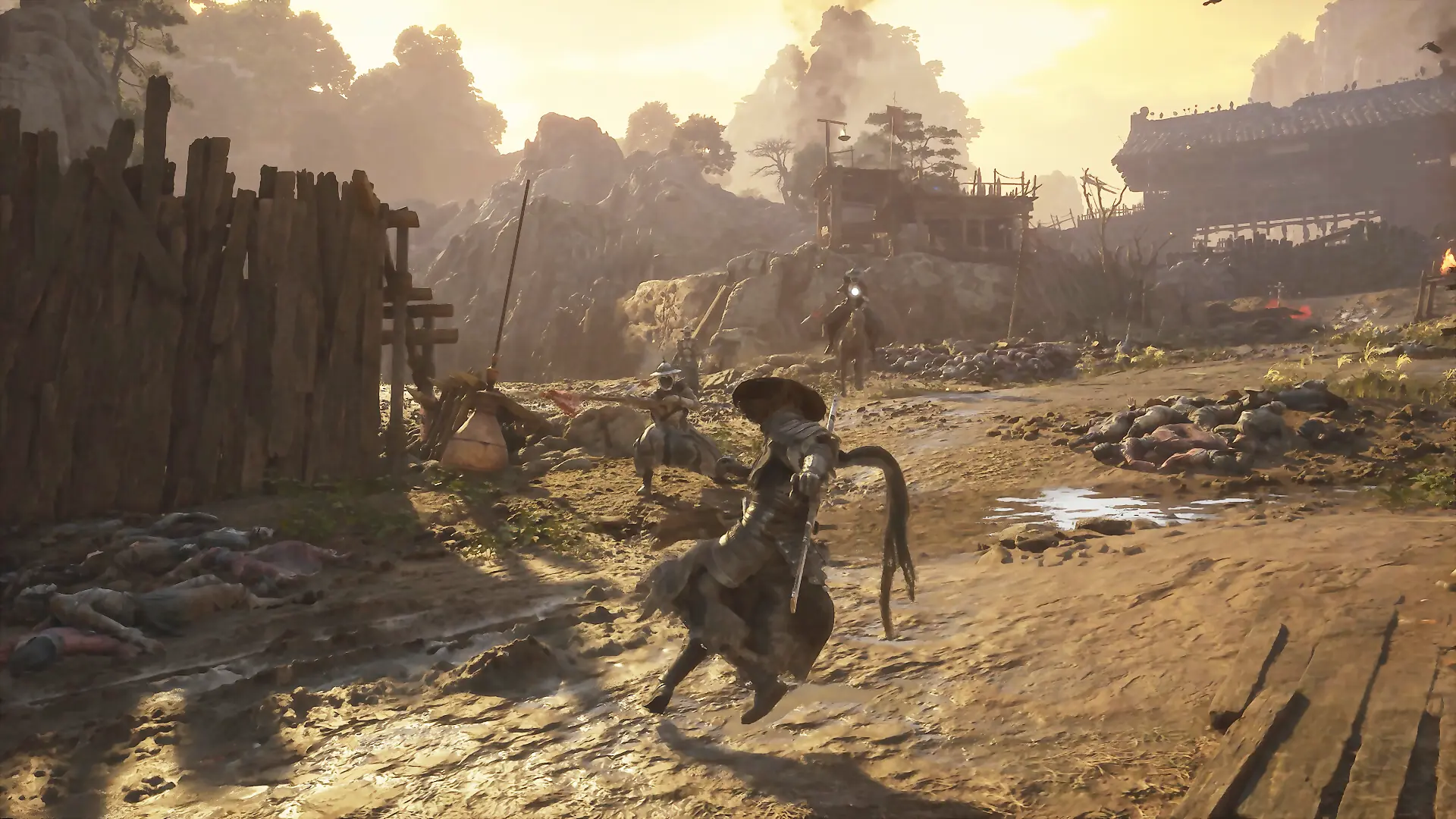
Combat is where Phantom Blade Zero plants its flag and laughs at traditional genre conventions. If you’ve spent the last decade on Soulslikes, your muscle memory will try to tell you to sit back, conserve a green stamina bar, and wait for safe openings. Throw that mindset right out the window. In PBZ, basic attacks, sprints, and dodges cost nothing on the stamina bar, and you have complete offensive freedom to rush down enemies and turn them into ribbons. The only meter you’re going to manage is Sha-Chi, which controls the guard and balance. If you turtle behind a static block, heavy hits from enemies will deplete Sha-Chi and leave you stunned. But if you guard right as an attack connects, you execute a quick parry that consumes nothing from you while taking a massive bite out of the enemy’s posture.
What sets this beyond other action titles is its complete lack of animation lock. In most character-action games, committing to a multi-hit combo means you’re locked into that motion until the animation concludes. Here, defensive cancels are instantaneous. If I am halfway through a five-hit combo and suddenly notice the beast winding up an unblockable red-flash attack, hitting dodge or parry cancels my swing right as the button is pressed. You end up with a fast flow that resembles real martial arts choreography rather than a rigid exchange of turns. You trade blows, deflect in between combos, dodge sweeps, and jump right back into your attack without missing a beat.
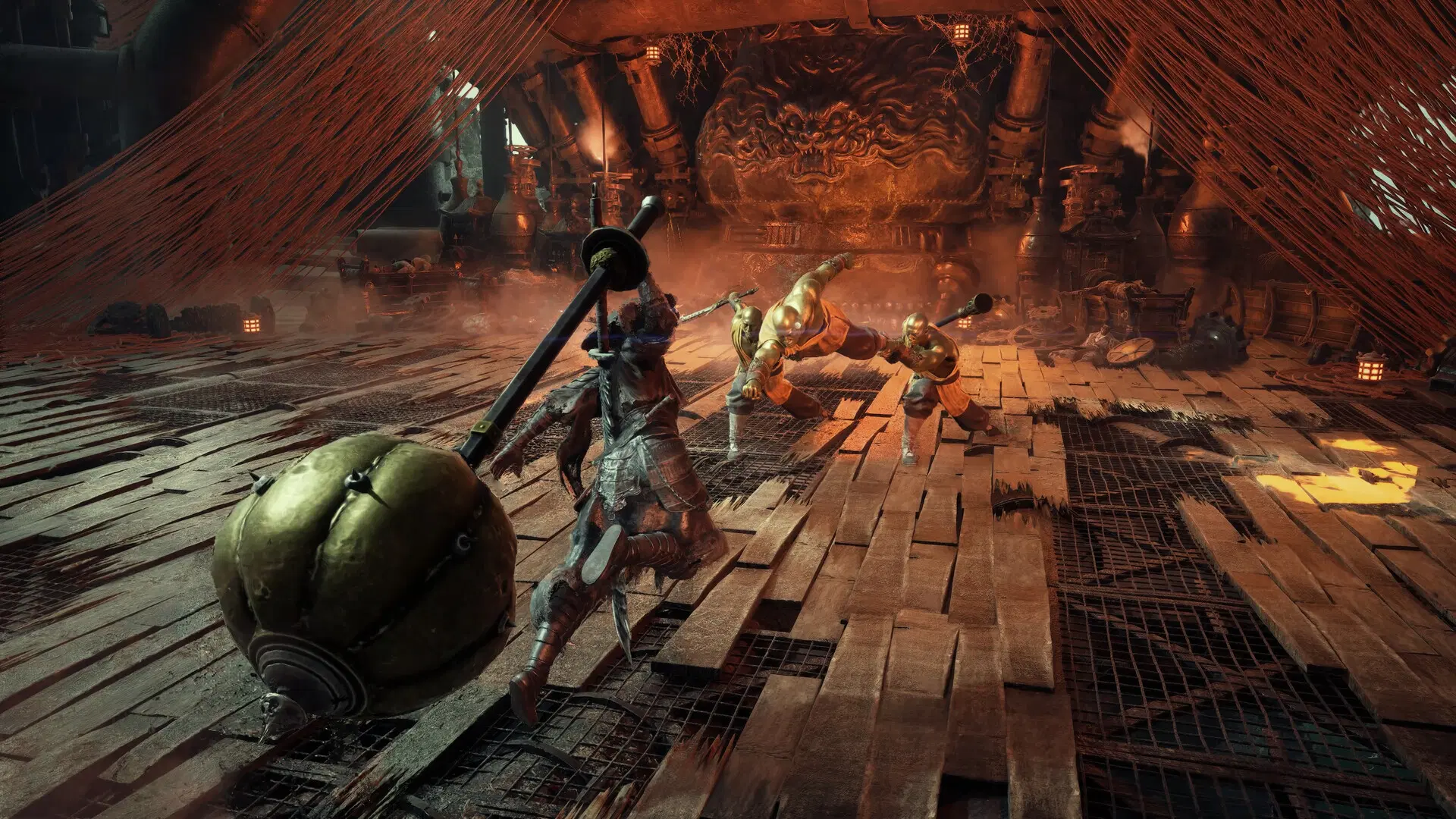
The mechanical brilliance really clicked for me when I learned how weapon swapping interacts with the Sha-Chi meter. Soul carries two primary weapons throughout, which can be anything from fast dual daggers and balanced longswords to heavy two-handed greatswords and polearms. Whenever your Sha-Chi meter drops low after heavy pressure is absorbed, tapping the weapon swap key triggers a shift strike that immediately refills part of Sha-Chi. This smart design rewards being aggressive instead of backing off to wait for a recharge. You switch weapons at crucial moments and keep the pressure going.
During my run, I settled with the Outlaw Warblade, a vicious two-handed sword whose heavy swings eat a sliver of your own health for massive damage, while quick follow-up strikes siphon that health back. Paired with an agile pair of dual blades, I could shred through an enemy’s guard with fast slashes, swap to the Warblade to cash in on high-damage heavy chops, and right away reset my guard meter in one continuous flow.
On top of main swords, you unlock Phantom Edges, the secondary gadgets that function like ninja tools with limited uses. You get ranged bows, flying guillotines, grapple hooks, and heavy axes that can break wooden shields in a single swing. (At one point, I came across a water-cannon tool mere yards away from a flaming boss chamber—an unsubtle, yet wonderfully cheeky hint from the developers). Best of all, Phantom Blade Zero respects your time when it comes to build crafting. If you spend hours investing upgrade materials into a certain sword and then find a new blade that lets you fight like a drunken-fist brawler, you can refund 100% of your spent materials at Forge. There is zero penalty for experimenting with every good weapon you pick up.
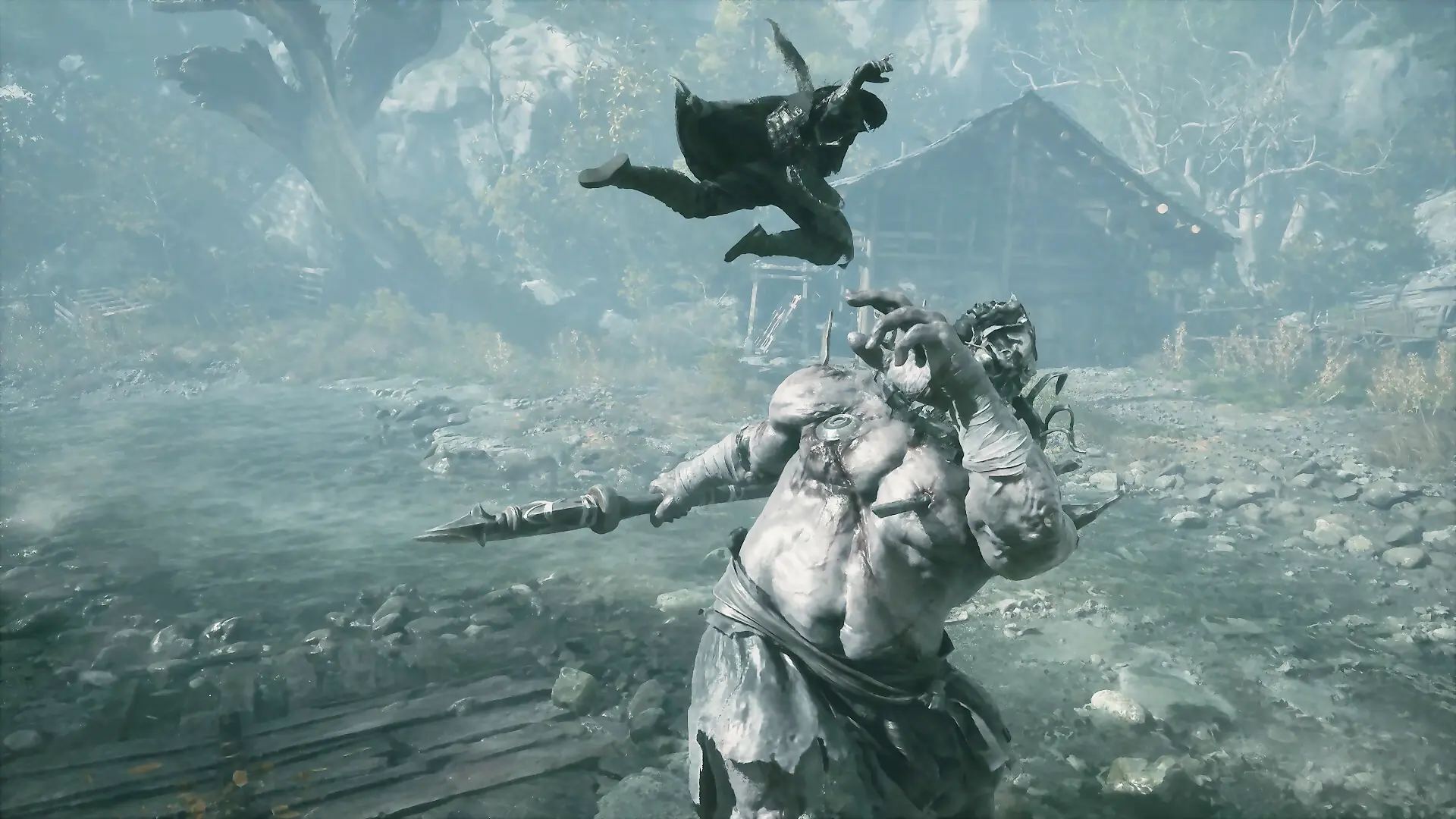
The bosses are why you’re here, and the game knows it. Across my 15 hours, I tangled with a hulking corrupted axemaster, got my ass kicked in a duel with Donnie Yen’s Gold-Masked One, and traded blows with Lion Dance grandmaster leaping across burning wooden stilts while I scrambled to harvest lettuce heads to power up my flame blasts. Every one of them gave me a sense of a set piece someone had lovingly overbuilt.
Phantom Blade Zero introduces a feature that every action game needs to steal. Boss fights have phase checkpoints.
There’s the feature I’d mail to every other action studio in an unmarked envelope: phase checkpoints. Beat a boss’s first health bar and the game saves that progress, so if you immediately get impaled on a flaming spear in the second phase, you restart at the start of Phase Two rather than grinding through the warm-up act again. Anyone who’s replayed an easy opening phase twenty times just to earn thirty seconds of practice against the real fight knows how much misery this removes. It also changes what the designers can get away with. Freed from the need to protect your time, they’re happy to build nastier, more theatrical encounters, including the occasional move that deletes your health bar in one go. In another game that would have me muttering threats at the monitor. Here it’s just a quick lesson. Brilliant. Steal it.
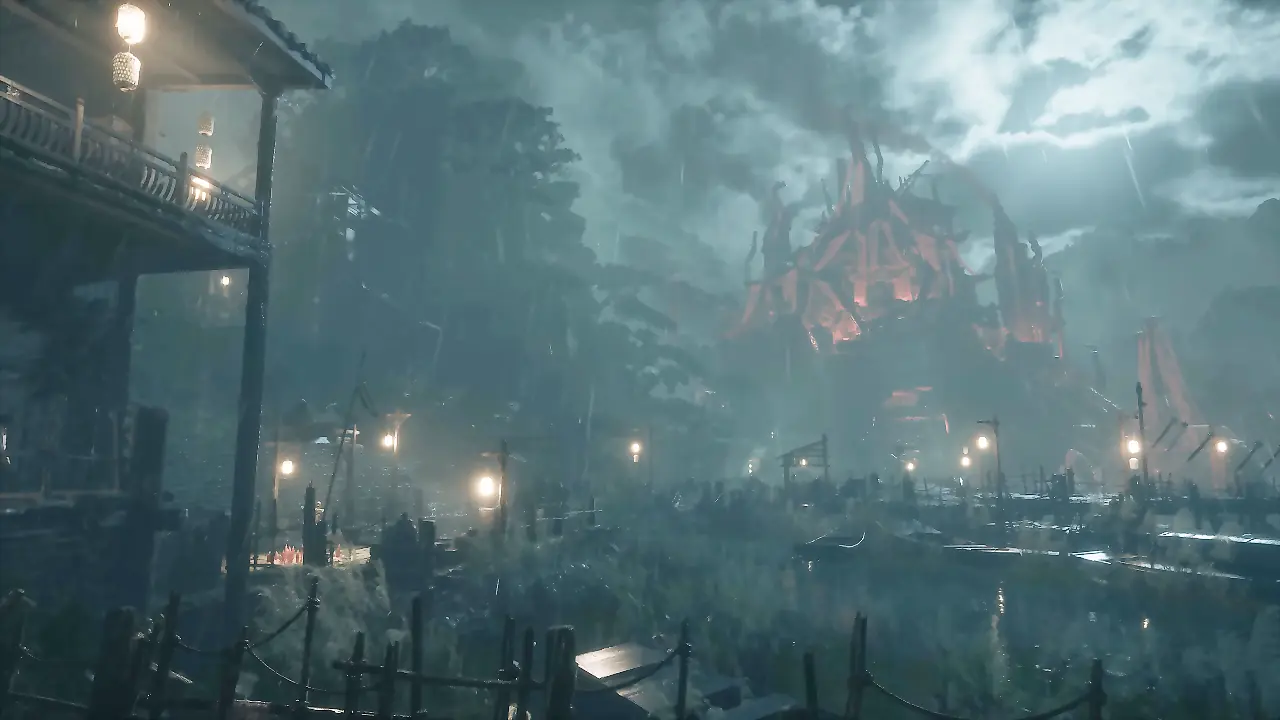
The Wulin world is a fever dream, and I mean that as praise. S-GAME calls it “Kungfupunk,” which sounds like a marketing exec’s idea of a genre until you’re standing in a misty mountain temple and round a corner into a wall of smoke-belching iron furnaces and steam-powered boats. Folklore meets factory floor. It gives the whole Wulin an eerie, clanking personality, and Unreal Engine 5 renders every rusted rivet and drifting ember to show off.
Navigation leans on hand-drawn maps that point you toward landmarks, so you actually have to look at the place you’re in. Revolutionary, I know. The even stranger design choice is that enemies don’t respawn, whether you rest or die. That’s the loudest proof Phantom Blade Zero isn’t a Soulslike, whatever the checkpoint shrines are cosplaying as. Clear a gang of guards off an outpost, and they stay clear. The tension of backtracking evaporates, sure, but so does the chore. I could comb every alley for chests, weapon blueprints, and hidden side bosses without clearing the same pests for the fourth time, and that made me far more willing to poke around.
The flip side is that your toolkit makes basic enemies a joke. Unless a big pack swarms you and the lock-on camera starts flailing like a drunk with a flashlight, standard mob encounters are trivial. You can mash buttons through most bandits and barely register it. They become glorified dummies you cut through while waiting for the next tough boss, which is a shame in a game with a combat system this good.
Which brings me to my primary grievance, because for a title that spent so much budget making Soul move like an oiled-up martial arts deity, the environmental geometry is an absolute buzzkill. It is endlessly hysterical—and thoroughly maddening—that a guy who can leap forty feet into the air and execute nineteen consecutive backflips with a claymore strapped to his spine will come to a dead halt because his sandal caught on a two-inch pebble, a wayward wooden plank, or an aggressively placed fern. Exploration and platforming kept running into invisible walls, and that wasn’t even a deliberate design choice so much as your collision mesh having a complete meltdown, which meant more than a few shameful plunges into the abyss because some ledge you looked at and figured you could grab turned out to be frictionless Teflon.
So far, I lost a maximum of allocated time from my day routine just staring at a frozen checkpoint screen because Soul managed to wedge his pelvis into a splintered fence post or get permanently trapped inside roadside brush until I had to reload my save. On the hardware front, my PC delivered a silky 60+ FPS in some object-heavy boss fights, but rain-slicked, dense hub towns like Pangzhen sent the frametime graph into visible cardiac arrest—a clear sign that S-GAME owes us an optimization patch.
Verdict
At the end of the day, Phantom Blade Zero isn’t trying to rewrite the book on narrative complexity, and its environmental collision quirks will occasionally make you want to throw your mouse through the monitor. But the second your Soul unsheaths the sword and the clashing steel starts to sing, none of that shit matters. By chucking traditional stamina micromanagement into a woodchipper in favor of instant animation cancels, guard break deflections, and weapon swaps that actively refill your guard bar, S-GAME has developed one of the most electrifying, swagger-heavy action sandboxes since Sekiro and Devil May Cry 5. Phantom Blade Zero is loud, unapologetically stylish, and downright allergic to wasting your free time. If you have any love left in your blackened heart for high-octane kung fu choreography, go buy a spare pair of wrists and dive in. Sixty-six days has rarely felt this generous.