
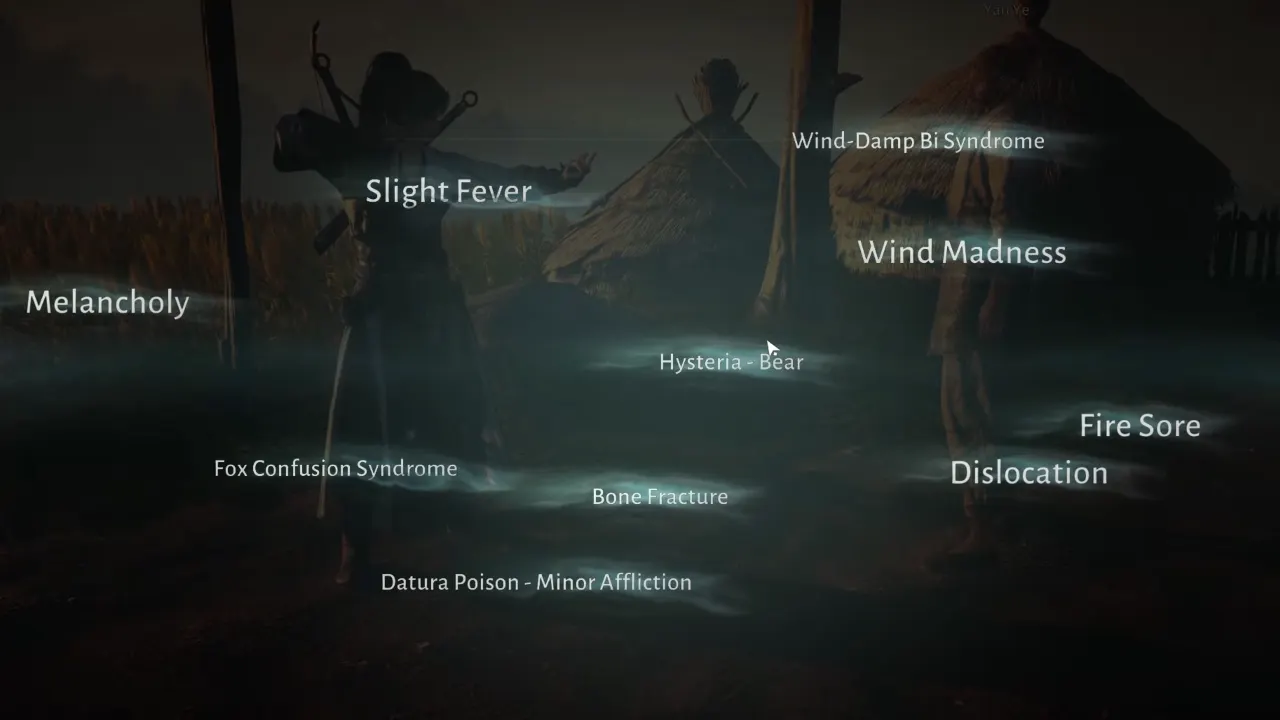
Healer is one of the Professions you can unlock in Where Winds Meet, which lets you treat injured players, craft medicine, and learn how to heal NPCs who would otherwise be stuck paying clinic fees or getting worse over time with injury or illness. This guide explains how to unlock the Healer profession, how to cure others with the right treatment, and what you need to do to get better at Healing without wasting time or resources.
How to Unlock the Healer Profession in Where Winds Meet
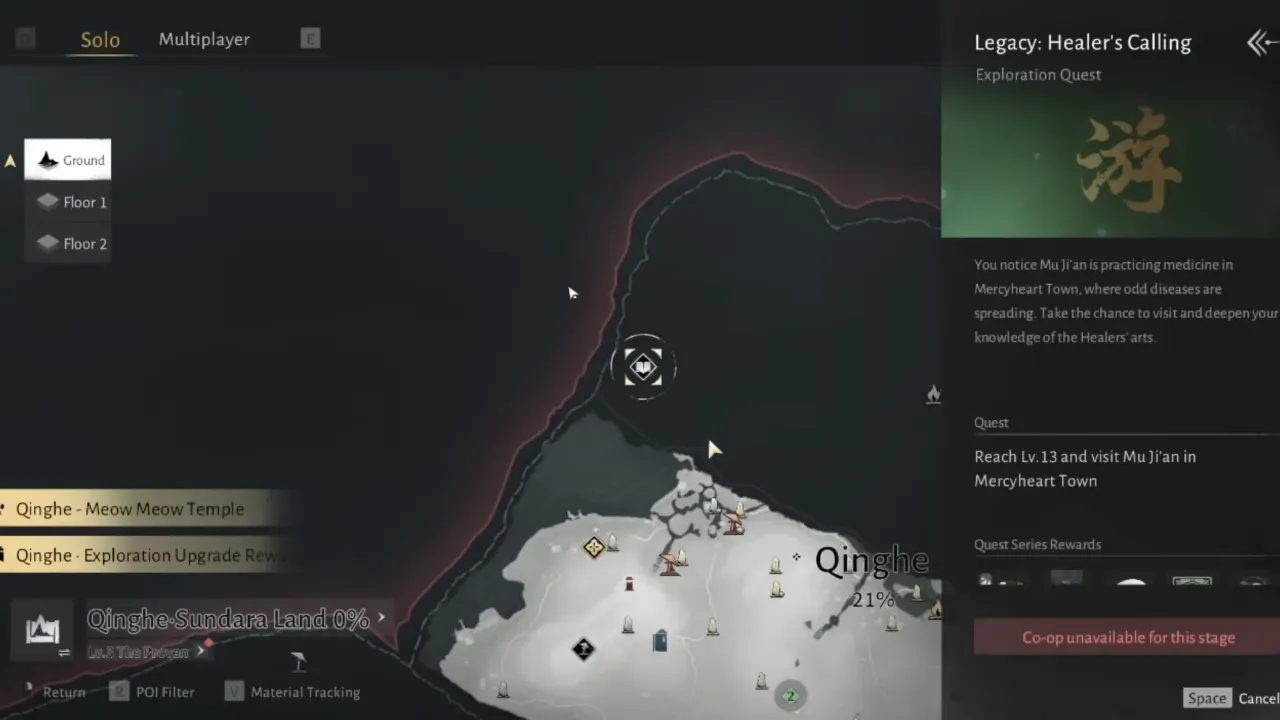
To unlock the Healer Profession, you need to complete the Legacy: Healer’s Calling exploration quest in Qinghe. But before you do that, your character must reach level 13 to trigger the quest.
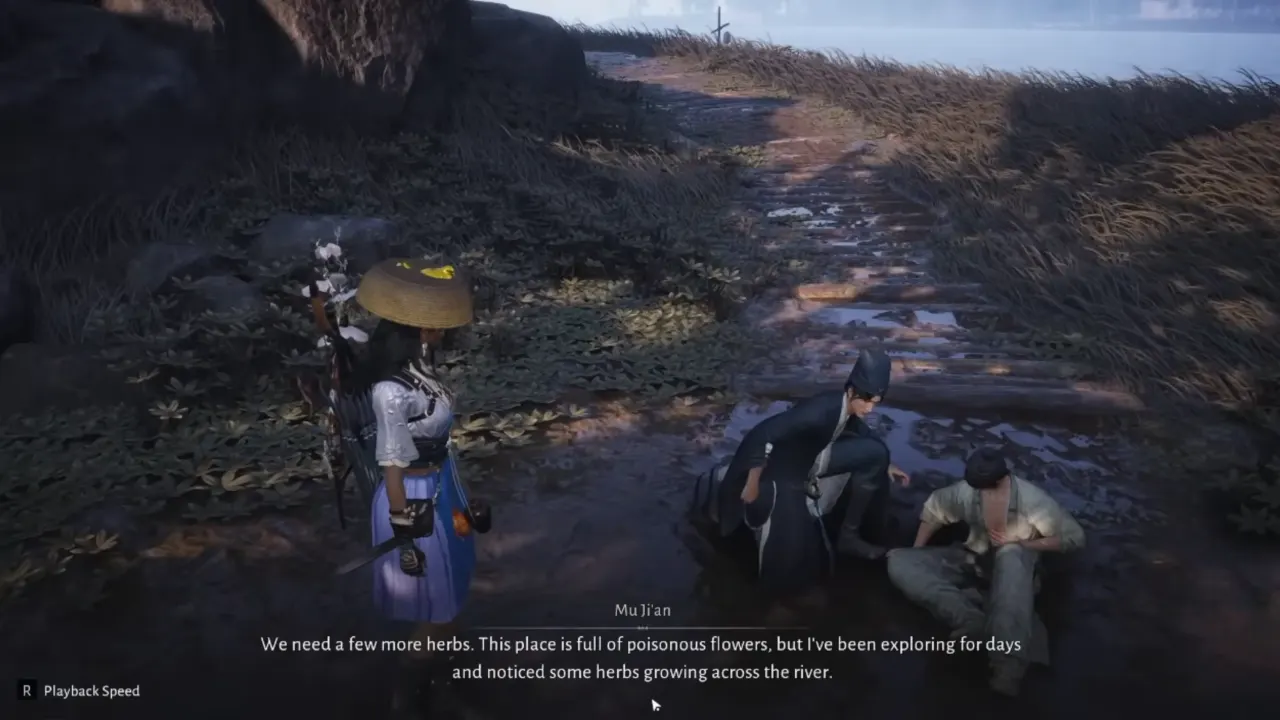
Once ready, head north of the region towards the western part of Mercyheart Village, where you will find Mu Ji’an, a doctor trying to heal a poisoned traveler, but he can’t do that because of a few missing herbs for the cure. Talk to him, and he then sends you to collect Nightshade herbs. Follow the quest marker to pick up the three flowers near the river.
Return to Mu Ji’an and hand over the herbs, then he will let you perform healing on the poisoned NPC, where you go through the Healing minigame as a tutorial. You will officially unlock the Healer Profession once you’ve successfully treated the person, which gives you access to prescriptions, profession upgrades, and the complete Healer menu. Select Profession from the main menu and click Healer to open the section with all its relevant options.
[related_post title=”How to Increase Erudition in Where Winds Meet”]How to Heal Someone in Where Winds Meet
Where Winds Meet’s Healing starts with diagnosis, moves into a turn-based treatment, and can end with a cure or a failure. We’ll break it down next.
Diagnose the Illness First
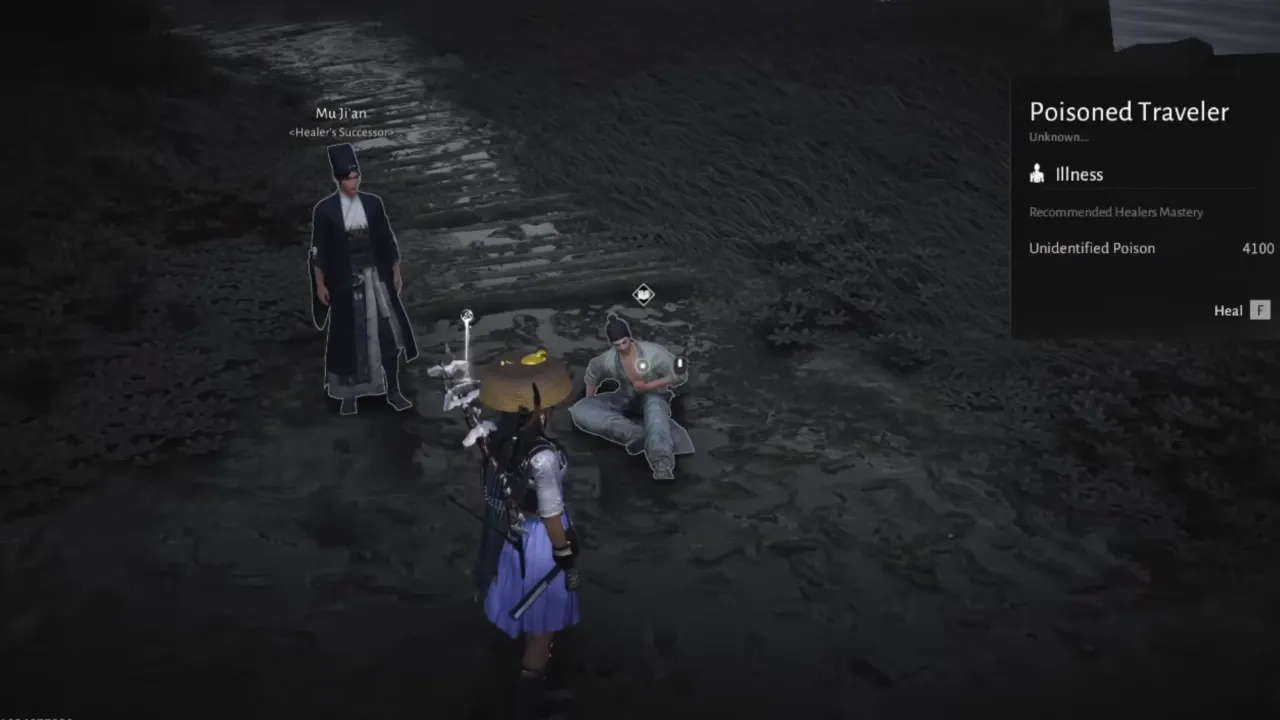
Go near the injured NPC or player and press V or R3 to activate Wind Sense to lock onto them. Next, interact to begin the diagnosis. A short analysis screen appears, which tells what illness the NPC has and a recommended Healing Mastery. This number isn’t a hard requirement, but being under it means the treatment will be hard and take time. Once the diagnosis is confirmed, you’ll enter the Treatment Mode.
Treatment Mode Explained
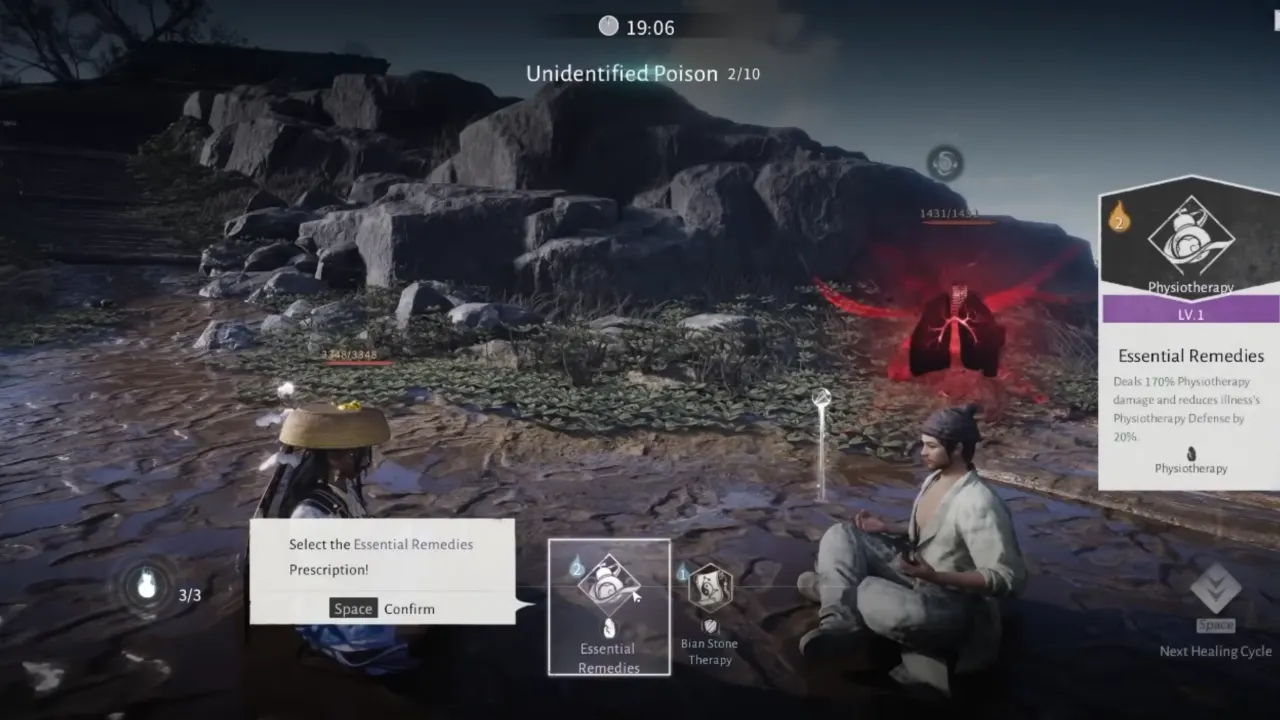
Healing is handled by a turn-based minigame where you and the illness take turns. You need to reduce the illness’s Affliction Severity to zero before your Vital Energy runs out or the 10-round limit is reached, where the healing fails. Each round, you’re given Fieryhearts, which act as the action currency. They refresh every turn, so don’t hold onto them. Prescriptions cost between zero and three Fieryhearts, and they draw randomly from your active deck.
Your turn always comes first. When you act, the illness responds. You can preview what the illness plans to do next, and it’s crucial to decide whether to push damage or play defensive.
Play Prescriptions the Right Way
During prescriptions, you have to either deal with treatment damage or control incoming damage. Use low-cost buff or defense prescriptions early in the round to improve the next actions. Once set up, spend the rest of your Fieryhearts to reduce the illness’s Severity. Shields are best saved for turns where the illness winds up a strong hit.
Running out of rounds is the big concern, so use the powerful cards instantly after they appear. If the illness’s Severity reaches zero, the treatment succeeds. If your Vital Energy drops to none, the healing fails.
Quick Treatment Option
If your Healing Mastery is high enough compared to the illness, you’ll sometimes see a Quick Treatment option, which immediately cures the patient without the minigame. It’s mainly for routine cases and is a clear sign your Healer progression is on track.
Who You Can Heal in Where Winds Meet
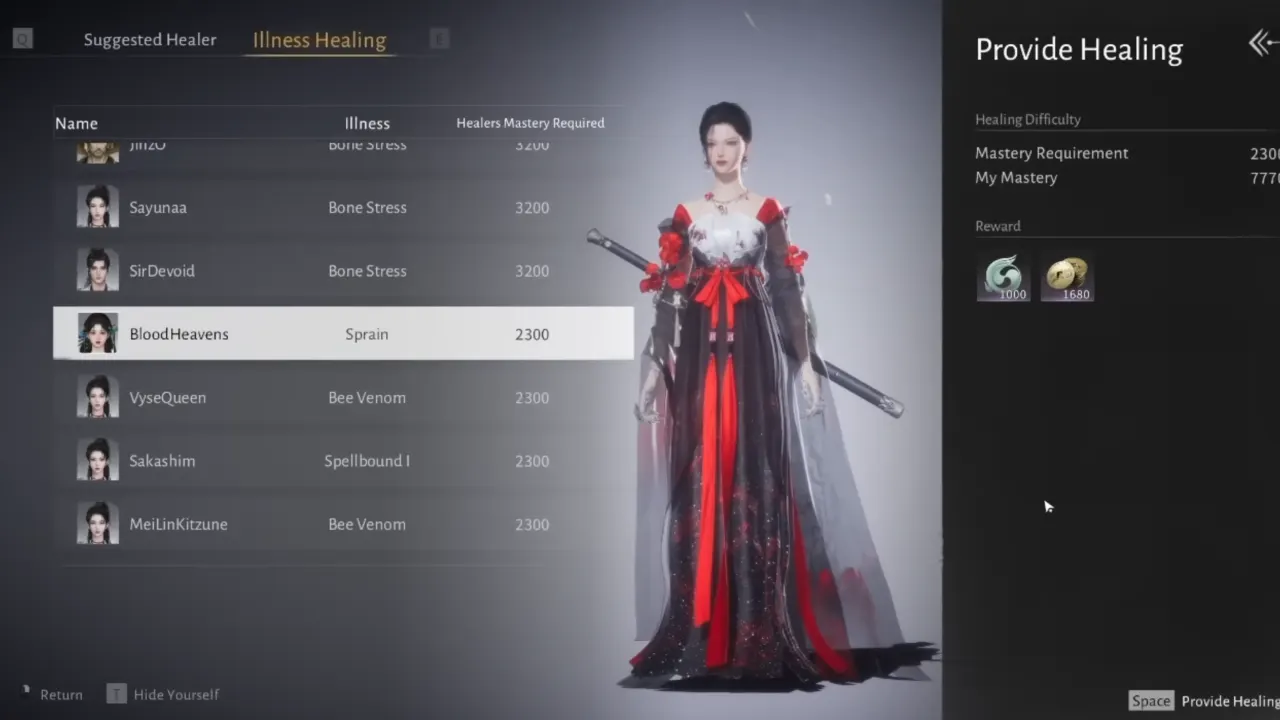
Once you are a licensed Healer, the game opens up many ways to use it.
NPCs
Sick or injured NPCs can be found all over the Where Winds Meet map. You’ll mostly find them collapsed, coughing, or calling for help. These encounters increase Profession Mastery, give materials, and occasionally Career Notebooks. To find those in need of a doctor, enable Heal the Illness markers in the map’s exploration filters and click on black gourd-shaped icons that tell you all the details, like NPC, what illness or injury he/she has, challenge requirements, and the rewards you can get after you heal him/her. Interestingly, even some animals and birds along the way will need your help for a cure.
Other Players
Players can suffer illnesses from falls, burns, poison, and other mishaps. Some fade on their own, but others get worse if ignored. As a Healer, you can accept player healing requests from the Professions menu. Every request mentions the required Healing Mastery, so you know if you are up for the task. Once you accept a request, it sends you into the co-op lobby of the one who needs treatment, where you heal the player the same way you would an NPC through the minigame.
Note: You cannot heal yourself. If you’re sick or injured, either pay a Evercare Clinic doctor Yao Yaoyao a hefty fee of 10,000 Coins to get a cure or ask another player for help like you do for someone.
Crafting Medicine as a Healer
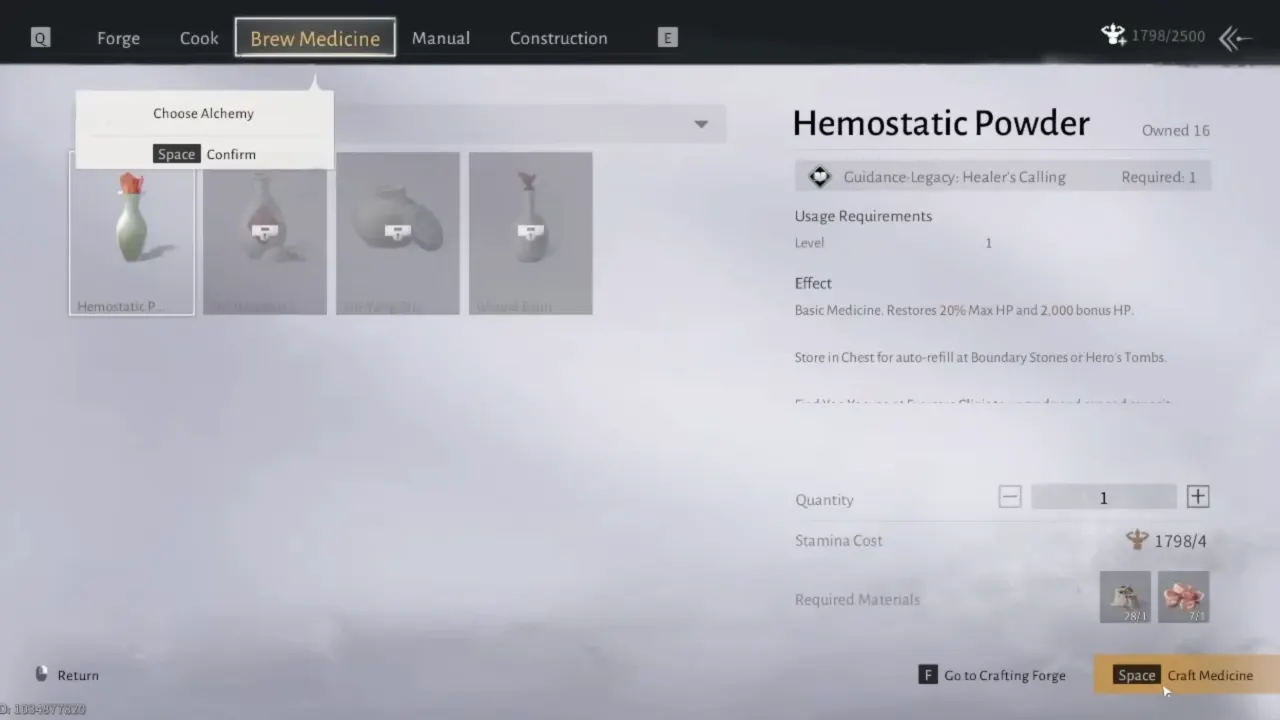
Unlocking the Healer Profession also gives you access to craft medicine or potions. From the Medicine tab under the Healing menu, you can craft better medicines using herbs and specific materials. Higher Profession ranks unlock powerful potion recipes, which makes it useful even if you don’t want to cure NPCs regularly. Crafting costs Stamina, so it’s not infinite, but if you can stockpile your own healing items, it’s a big advantage throughout exploration.
How to Upgrade the Healer Profession
So, you’ve made it as a Healer? Great! Now it’s time to level up and become an even better one. There are a couple of ways to do that.
Raising Healer Rank
Your Healer rank is upgraded from the Professions menu and is the backbone of the healing power. Every rank increase levels up the Profession’s Base and Advanced Attributes, which improves how effective your treatments can be, and lets you safely cure high-tier illnesses without burning through Vital Energy.
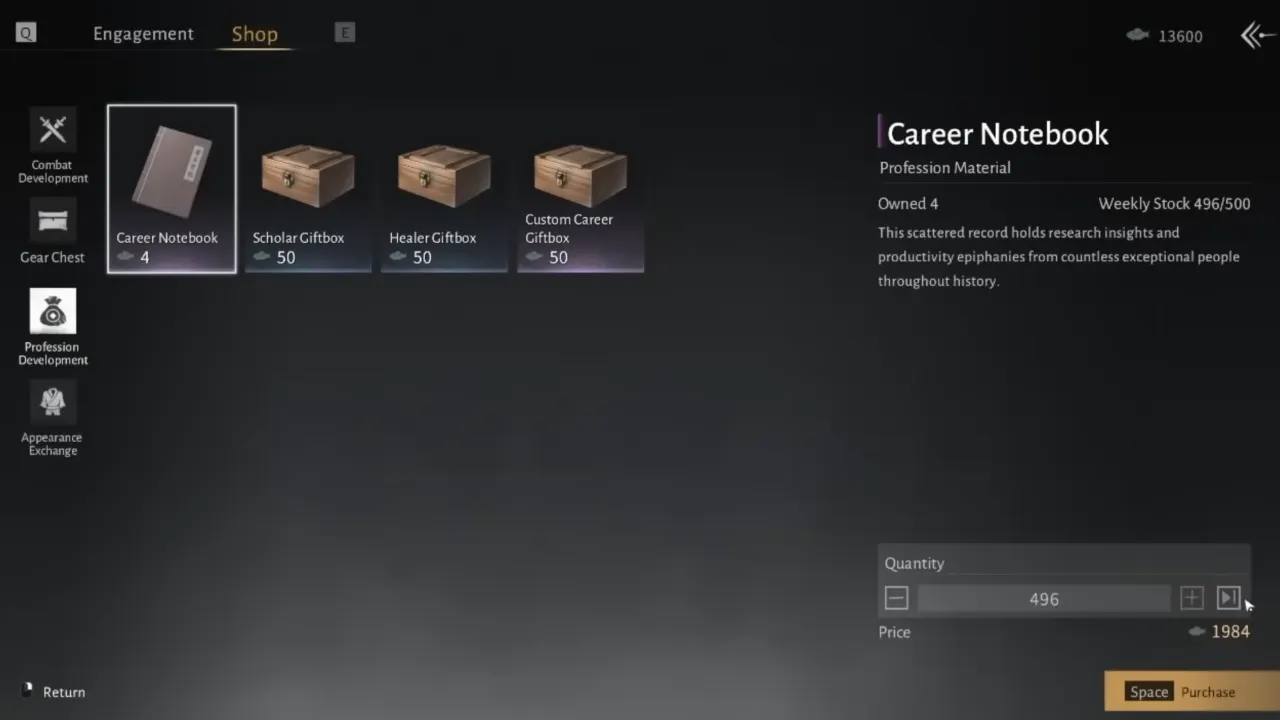
Every upgrade level costs Career Notebooks, and the amount goes up with each tier. Career Notebooks can be obtained either through normal world exploration or purchase from the Season Shop. One Career Notebook costs 4 Jade Fishes, and you can buy 500 maximum every week.
Improving Individual Prescriptions
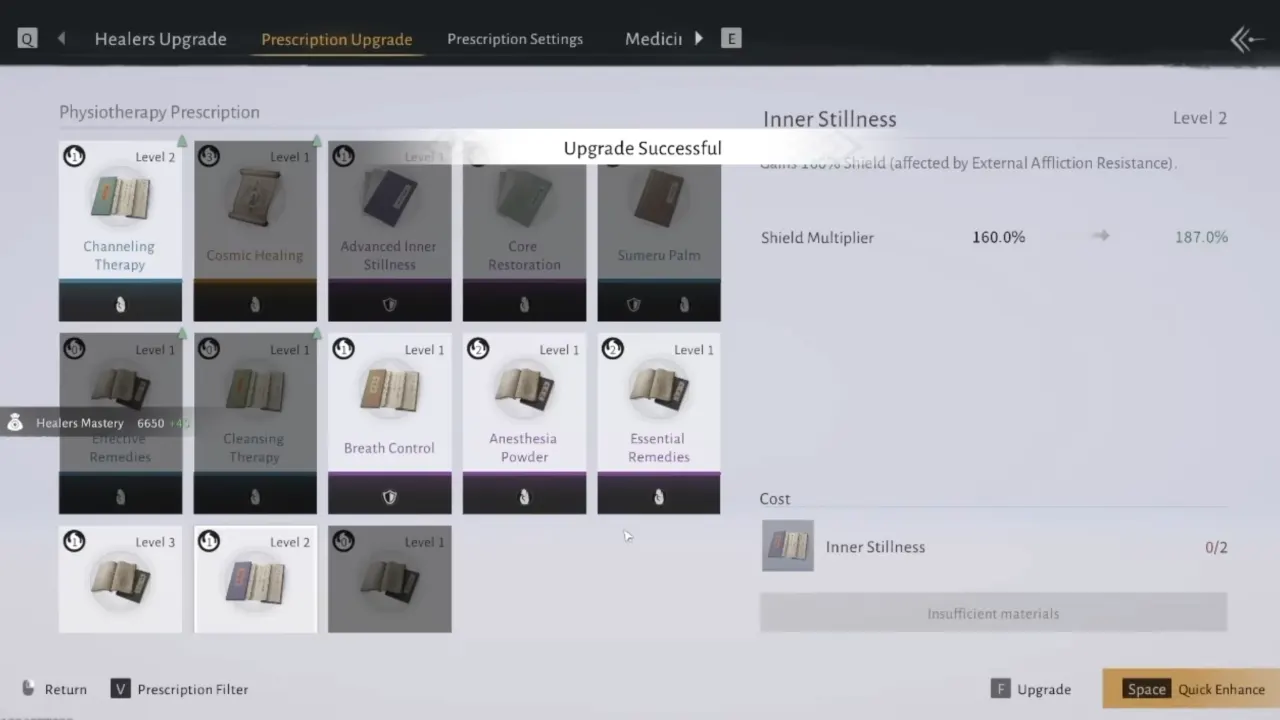
Separate from rank, you can upgrade each prescription. When you do, all the copies of that card in your deck get a boost with more damage, better shields, or strong buffs, depending on what it does.
These upgrades require duplicate prescription items, which mostly come from Healer-related boxes in the Season Shop. Because the rewards are random and limited per week, this path is slow and less predictable than rank up. That doesn’t make it useless. Some upgraded core cards can help with hard treatments, especially when you push your limits. But don’t think this is a one-stop shop for healing.
What to Prioritize
For steady progress, increase the Healer rank first, then use extra resources to enhance preferred prescriptions. Rank upgrades offer guaranteed returns, while prescription upgrades are best treated as long-term bonuses rather than required power spikes. Handled this way, your healing ability keeps pace with the challenges you face, and you won’t roll the dice in Treatment Mode.
Manage and Customize Your Decks
You can keep two decks — one for Physiotherapy and one for Qi Therapy. Each deck can have 20 prescriptions. You don’t control draw order, but you do control what’s in the deck, which matters more than it sounds. Mixing low-cost cards in your deck gives you more options per round, but too many expensive ones can be a bummer. Before you heal high-level illness or accept a player’s request, it’s better to customize the deck to how you like to play, instead of relying on defaults.