


How to Get Power & Oni Stones in Onimusha: Way of the Sword
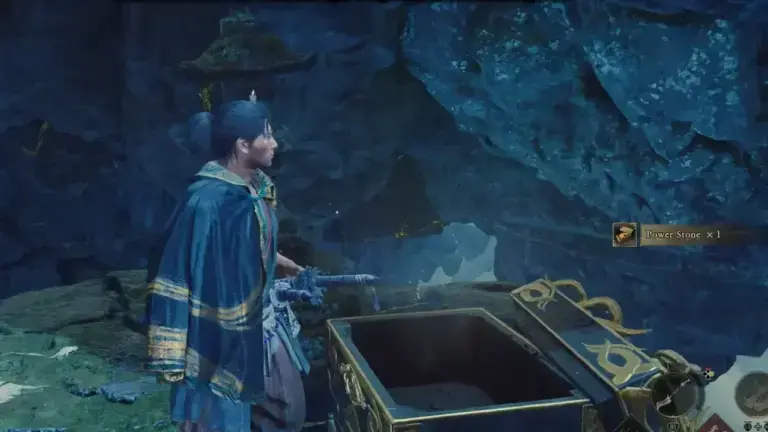
In Onimusha: Way of the Sword, Oni Stones and Power Stones are the rare upgrade materials you need to push Musashi's abilities…

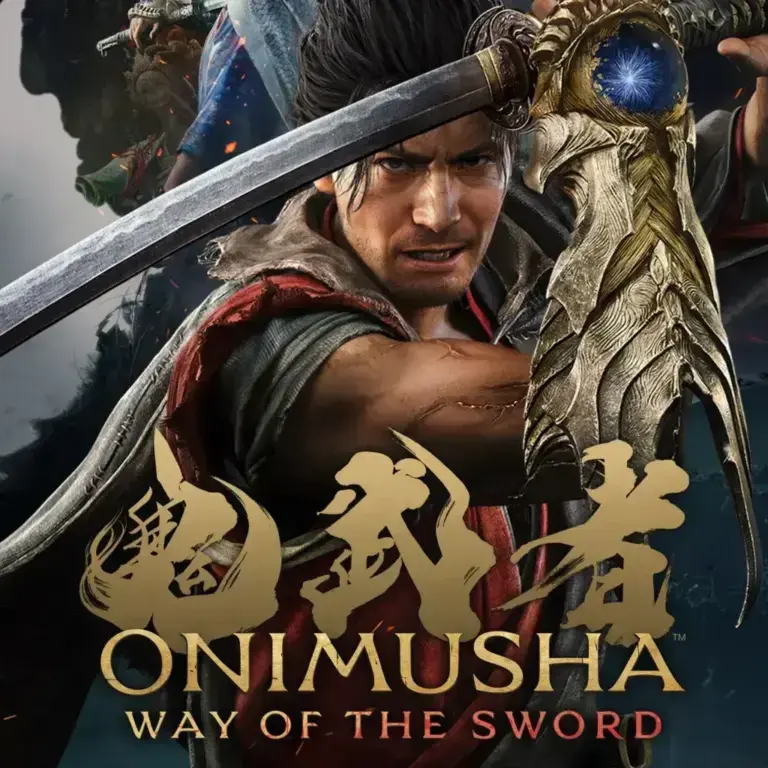
Capcom’s revival Onimusha: Way of the Sword puts you in the sandals of legendary swordsman Miyamoto Musashi—modeled after classic samurai cinema icon Toshiro Mifune—to hack through Genma demons infesting Edo-period Kyoto. Running on the RE Engine, it pairs tight directional swordplay and soul absorbing Gauntlet abilities with high-stakes "Break Issen" counter executions. It prioritizes deliberate timing and parry mechanics over mindless button-mashing through mobs.
Onimusha: Way of the Sword is a single-player action game set in Kyoto during the early Edo period, where a supernatural outbreak has brought the Genma back to the human world. The game is a comeback that seems very deliberate. Capcom has taken a series that was heavily associated with the PS2 era and rebuilt it around modern third-person combat, cinematic presentation, and the sort of fast, brutally satisfying swordplay that makes you want to immediately retry a boss after losing.
It is the first new mainline Onimusha game in more than 20 years, and it puts Miyamoto Musashi at the center of a dark-fantasy version of Kyoto. The city is being corrupted by Malice, while demonic Genma creatures and dangerous human swordsmen turn Musashi's journey into a succession of bloody duels. Capcom released the game on September 4, 2026, for PS5, Xbox Series X|S, Nintendo Switch 2, and PC.
What stands out is that this isn't trying to become a big open-world samurai RPG. Its strongest identity is still combat. You attack, guard, parry, deflect, dodge, and most importantly, attempt the series' trademark Issen counter: striking an enemy at the last possible instant before their attack connects.
The Oni Gauntlet is the other major pillar. Musashi can absorb souls from defeated enemies and use them for recovery and supernatural abilities, while special Oni Armaments give him additional offensive options. The soul-absorption mechanic also creates a nice risk-reward decision during fights because stopping to collect what you need isn't always safe.
Visually, Capcom has leaned into Japanese cinema and period drama. Musashi's appearance is modeled on actor Toshiro Mifune, while Kyoto itself shifts between beautiful historical architecture and a much more sinister supernatural version of the city. The game uses RE Engine for modern rendering and animation.
Way of the Sword sits somewhere between old-school Onimusha and modern action games. It has the focused mission structure and arcade-like satisfaction of the older games, but adds broader explorable areas, equipment, optional activities, and modern progression systems.
While the swordplay and boss encounters are widely considered the game's standout features, some critics have noted that the pacing can occasionally falter due to repetitive exploration and enemy encounters throughout Kyoto, which can disrupt the otherwise excellent momentum of the combat.
So the actual pitch is simple: stylish samurai combat, supernatural enemies, cinematic presentation, and a relatively focused campaign rather than an 80-hour RPG.
In Onimusha: Way of the Sword, Oni Stones and Power Stones are the rare upgrade materials you need to push Musashi's abilities…
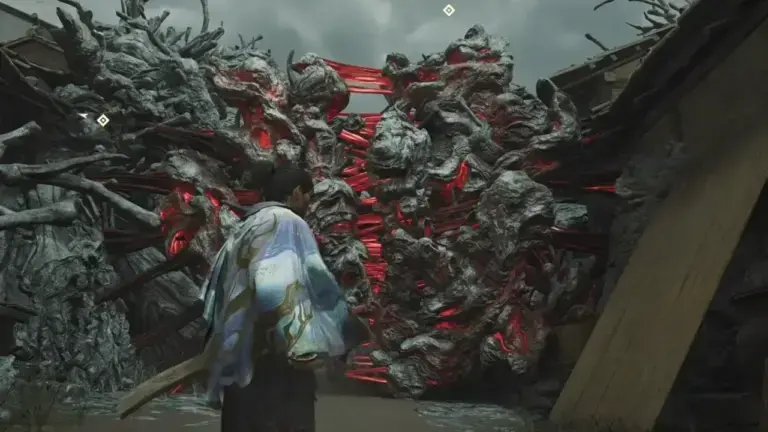
Malice Barriers are fleshy, red-and-stone walls that block paths during quests, in side areas, and to useful loot in Onimusha: Way of…
Charms in Onimusha: Way of the Sword give passive buffs ranging from more health and parry damage to upgraded special abilities, but…
Can’t figure out how to change the difficulty in Onimusha: Way of the Sword? Even though the game says you can adjust…
Equipment or gear upgrades in Onimusha: Way of the Sword aren't rocket science, but ignoring them will turn late-game encounters into a…
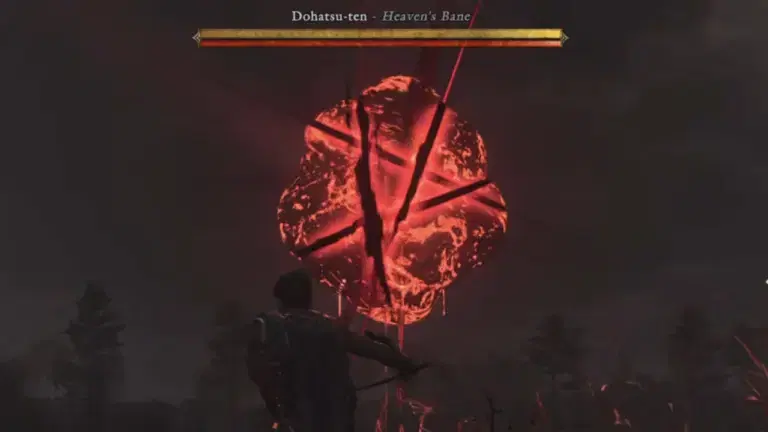
If Byakue is the sledgehammer that tests your patience in Onimusha: Way of the Sword, Dohatsu-ten is the scalpel introduced to shred…
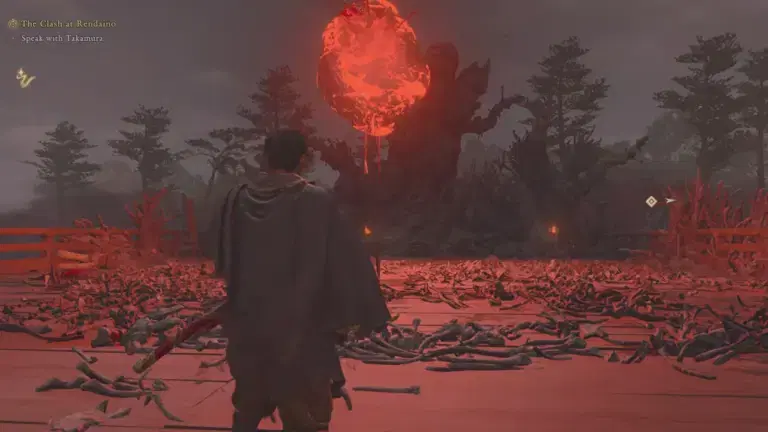
Byakue—or the Hundred Defilements, if you like the formal title—is the persistent bane of anyone trying to max out their gear in…
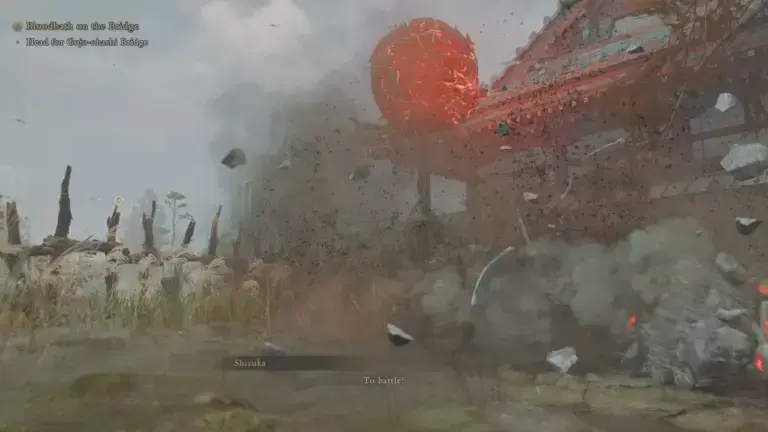
Malicite Mass is one of the most crucial upgrade materials in Onimusha: Way of the Sword. This rare resource condenses pure Malice…
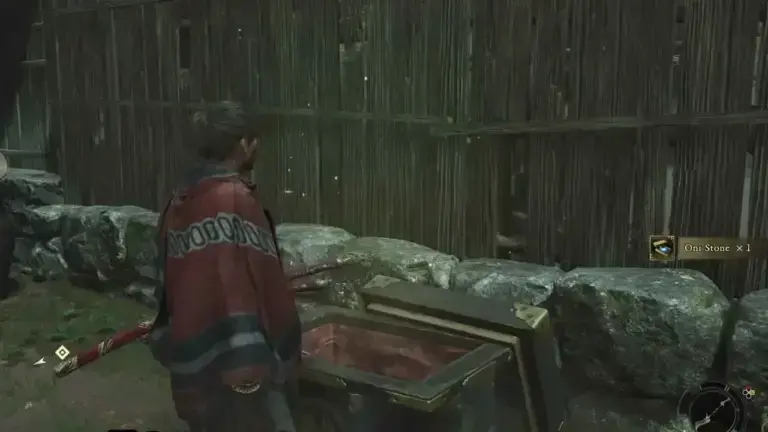
You need every edge you can to survive the deadly Genma in Kyoto's streets of Onimusha: Way of the Sword. Miyamoto Musashi…
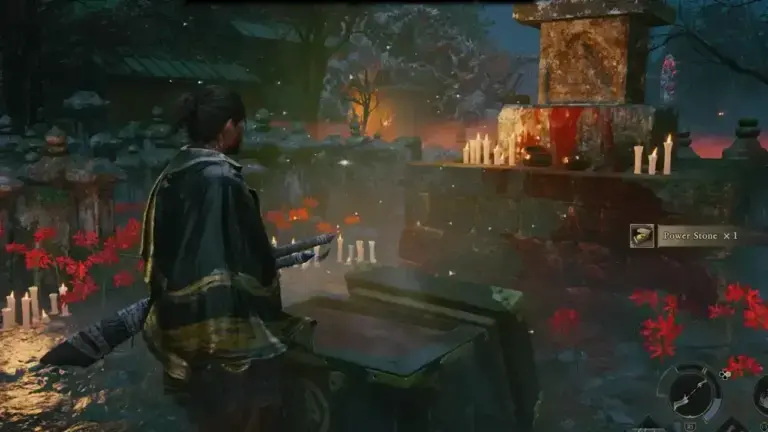
Deflecting strikes and timing will carry you through basic fights in Onimusha: Way of the Sword, but if you want to challenge…
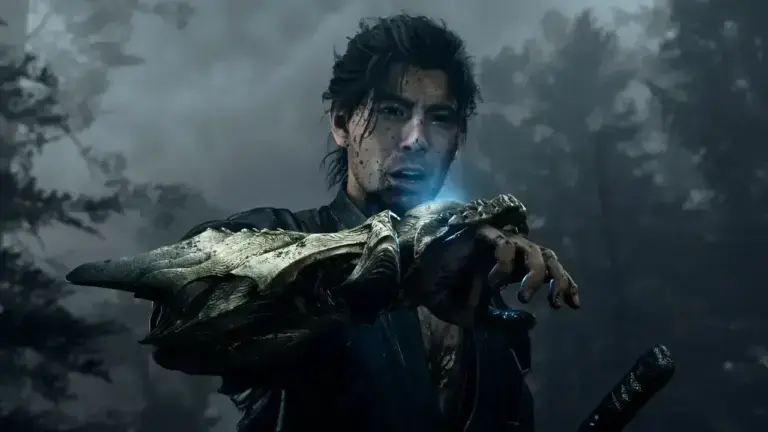
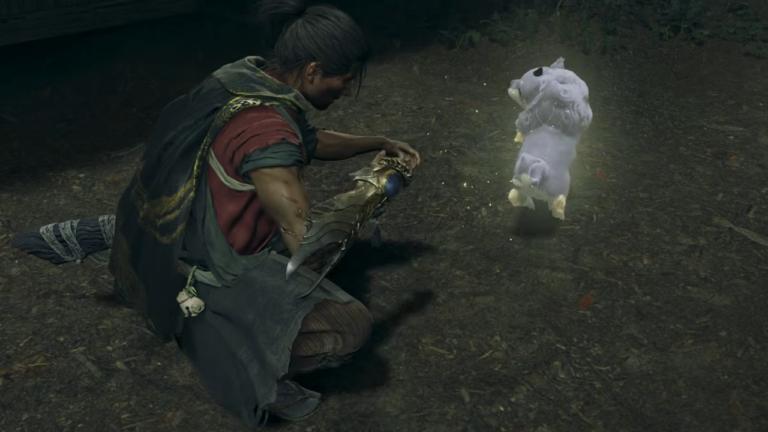
Lion Dogs are one of the core collectible sets in Onimusha: Way of the Sword. Rescuing these corrupted canine spirits purifies them, registers their entries in the Curious Cases log, and earns…
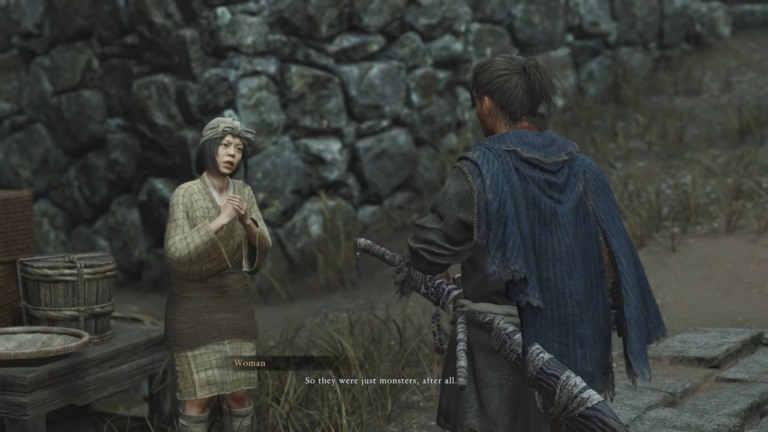
There are 18 Chance Encounters in the Kyoto region of Onimusha: Way of the Sword, which unlock as the story progresses. These side missions include short combat jobs, Ace Archer challenges, and…
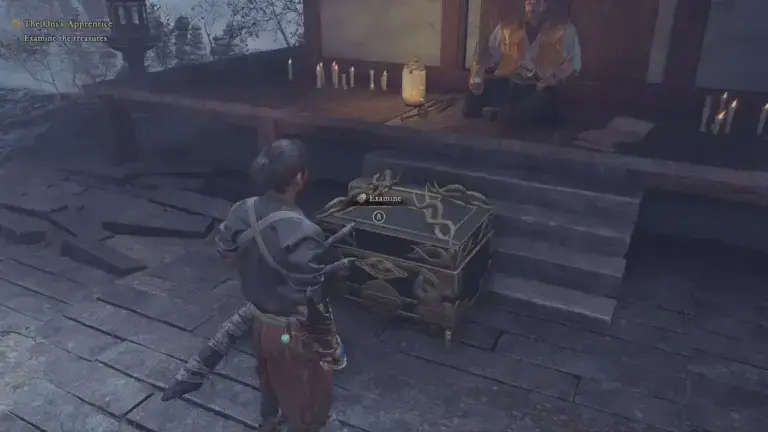
Oni Armaments in Onimusha: Way of the Sword are special sub-weapons that consume your Blue Oni Power Gauge to deliver active tactical abilities. Unlike standard swords, these tools deal stamina damage, crowd…
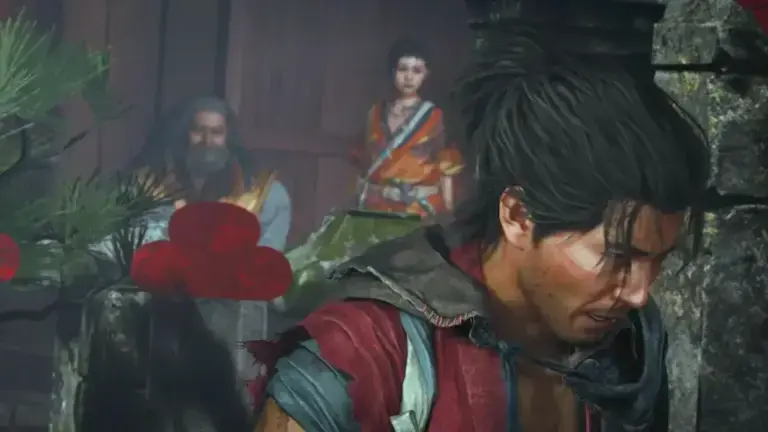
The Ruckus at Rendaino is the first main story chapter in Onimusha: Way of the Sword, taking Musashi from the opening tutorial battles into the actual Genma conflict. Following the events of the…

Onimusha: Way of the Sword has 8 Mysteries of Kyoto, a set of side investigations that send Musashi across the city to deal with strange incidents, missing people, Genma attacks, and supernatural…
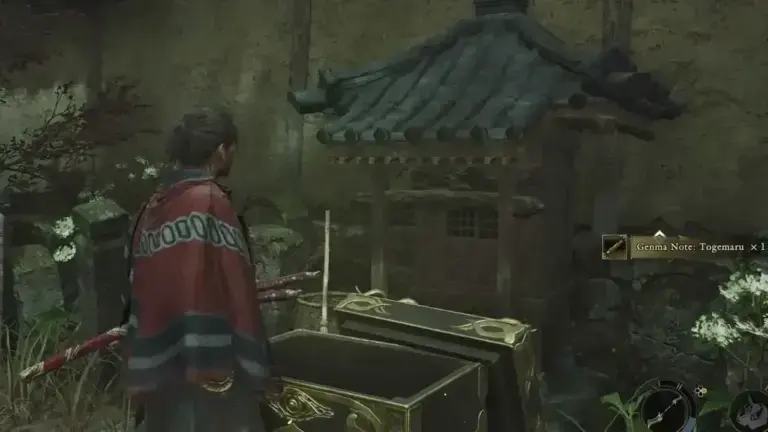
Genma Notes are easy to miss in Onimusha: Way of the Sword because they are not marked on the map like most other activities. There are 23 Genma Notes in Way of the…
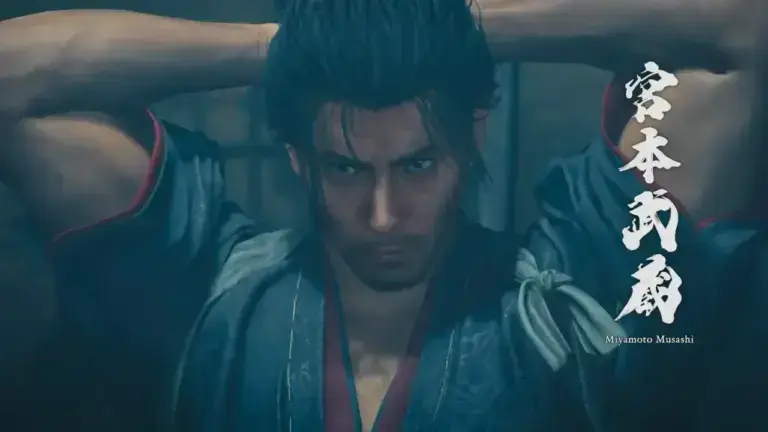
The Prologue is the first mission of Onimusha: Way of the Sword that throws Miyamoto Musashi straight into a sword duel, a very rude gang of Yoshioka students, and his first encounter…
No. It's a new mainline Onimusha game, not a remake of one of the previous entries. Capcom describes it as the first new title in the series in more than 20 years.
The timing matters. It forces you to learn enemy patterns and handle difficult encounters, but the game leans hard into cinematic action and aggressive counterplay. The Issen mechanic defines the swordplay and keeps the game firmly in its own lane. The game is adjacent to the Souls style, not a clone.
Not in the traditional Ubisoft-style sense. Kyoto is an interconnected base with optional side missions, secret shrines, and light backtracking, but it isn't a massive open-world bloat fest.
You can because it's a single-player game. You need an internet connection for the first time setup. After that, you are good to go offline.
Combat relies on light/heavy chains, directional parries, and stance management. Executing a frame-precise attack or parry right as an enemy strikes triggers a Break Issen, instantly dismembering basic enemies or dealing massive stagger damage to bosses.
Yes, completing the main campaign unlocks NG+ along with the unlocked Carnage difficulty modes.
It’s tough. You have to learn the attack patterns and nail your parries, deflects, and Issen if you want to survive. The game cares about your combat skill, not just how much health the enemies have.
Issen is Onimusha's signature counterattack. You strike at the last second before an enemy hits you. Successful timing can trigger an extremely powerful counter and, with the right setup, can lead into further attacks.
It's the supernatural artifact Musashi uses to absorb Genma souls and access Oni powers. It is one of the game's central mechanics.
Yes. There are equipment and progression systems, but the game isn't structured like a major loot-driven RPG. Your combat skill and how you grasp the systems matter more than swapping gear endlessly.
No. The game treats the historical figure as a foundation for a stylized fantasy protagonist. The demon-filled Kyoto and Oni mythology are obviously fictionalized, while the character's appearance is inspired by actor Toshiro Mifune.